


































How to Conduct a Solar Feasibility Study Before You Invest
When the goal is to invest confidently rather than simply install panels, conducting proper renewable energy feasibility studies can provide the information needed to make a more informed decision.

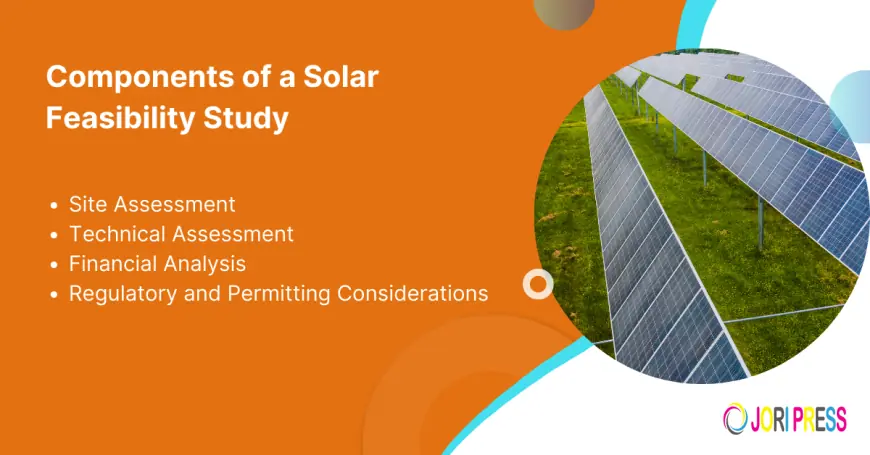
A solar project can look financially attractive on paper, yet the actual site may present challenges that affect energy production, installation costs, permitting, or long-term returns. That is why a feasibility assessment should happen before major project commitments are made. Learning how to conduct a solar feasibility study involves more than checking whether a location receives sunlight. A proper assessment considers the site's solar resource, available space, electrical infrastructure, system design, expected energy production, project costs, regulations, and potential return on investment. These findings help determine whether moving forward with a solar project makes practical and financial sense.
What Does a Solar Feasibility Study Determine?
A solar feasibility study evaluates whether a proposed solar project is technically, financially, and practically viable. The assessment can be used for residential properties, commercial facilities, and larger renewable energy developments.
Solarestique's feasibility guide identifies technical, financial, environmental, and regulatory considerations as important parts of the assessment. Site conditions, energy production, equipment selection, project costs, incentives, permitting, and grid connection can all influence the final decision.
For developers and property owners, this creates an important decision point: should the project proceed as planned, be redesigned, or be reconsidered before significant capital is committed?
How Do You Start a Solar Feasibility Study?
The process begins with understanding the project and the site. Before selecting equipment or preparing a final system design, the property's characteristics and energy requirements need to be evaluated.
A preliminary assessment generally considers:
-
Property location and available solar resource
-
Current electricity consumption
-
Roof or ground space
-
Shading conditions
-
Existing electrical infrastructure
-
Structural considerations
-
Local permitting requirements
-
Expected project costs
-
Potential energy savings and financial returns
This initial information provides the foundation for more detailed analysis.
Why Is Site Assessment So Important?
A site may receive plenty of sunlight but still be unsuitable for a particular solar configuration. Roof orientation, roof condition, shading from trees or nearby structures, available installation area, accessibility, and electrical infrastructure can all affect project viability.
For larger developments, the assessment becomes more detailed. Utility-scale solar site surveys may examine topography, soil conditions, drainage, access, environmental considerations, and proximity to transmission infrastructure.
Identifying these constraints early can prevent expensive design changes later.
How Is Solar Energy Potential Evaluated?
Solar resource evaluation determines how much sunlight is available at the proposed location and how that resource could translate into electricity generation.
Historical irradiance data, weather patterns, shading, panel orientation, tilt, and system configuration can all influence production estimates. A feasibility assessment should therefore avoid relying solely on general regional sunshine statistics.
The objective is to develop a realistic estimate of expected energy production rather than assuming that every available square foot of roof or land will produce the same amount of electricity.
How Do You Evaluate Technical Feasibility?
Technical feasibility examines whether the proposed system can actually be installed and operated as intended.
This includes determining the appropriate system size, panel configuration, inverter capacity, mounting approach, electrical layout, and potential battery storage requirements. The system also needs to work with the property's existing electrical infrastructure.
Solarestique's solar feasibility resource highlights system sizing, technology selection, energy production estimates, electrical considerations, and site conditions as important elements of technical evaluation.
For a commercial or utility-scale project, technical analysis may also include grid connection capacity, equipment locations, cable routing, access requirements, and long-term maintenance considerations.
What Does a Feasibility Study for a Solar Farm Include?
A feasibility study for a solar farm requires substantially more site analysis than a small residential project. Land availability is only the beginning.
Developers may need to evaluate:
-
Land topography and slope
-
Soil and foundation conditions
-
Flood and drainage risks
-
Solar resource
-
Vegetation and environmental constraints
-
Road and construction access
-
Transmission or distribution connections
-
Land-use and zoning requirements
-
Expected construction and operating costs
Large projects require significant capital, so identifying site limitations before development begins can be particularly valuable.
Solarestique's utility-scale site survey guidance similarly emphasizes land characteristics, infrastructure access, environmental factors, electrical connectivity, and regulatory requirements when evaluating large solar projects.
How Is Financial Feasibility Calculated?
Technical viability does not automatically mean that a project is financially attractive. The next stage is determining whether expected savings or revenue justify the investment.
Financial analysis can include the initial capital expenditure, installation costs, financing expenses, maintenance costs, electricity savings, incentives, projected revenue, payback period, and return on investment.
For larger projects, developers may also examine cash flow projections, net present value, internal rate of return, financing structures, and sensitivity to changes in energy prices.
This helps answer a more useful question than simply asking whether solar works: does this specific solar project make financial sense under realistic assumptions?
How Important Are Permits and Regulations?
Regulatory requirements can influence both the cost and timeline of a project. Zoning rules, building codes, electrical requirements, environmental regulations, utility interconnection procedures, and permitting requirements should be identified before the final investment decision.
A technically excellent design can still face delays if the project has not accounted for the applicable approval process.
Solarestique notes that permitting and interconnection requirements form an important part of solar feasibility because projects must satisfy local regulations and utility requirements before they can proceed.
This makes regulatory research an essential part of the feasibility process rather than an administrative task to address at the end.
How Feasible Is Solar Energy for Your Property?
The question of how feasible solar energy is cannot be answered accurately using only the property's location. Two buildings in the same city can have very different solar potential because of roof orientation, shading, structural conditions, energy consumption, and available installation space.
The financial outcome can also vary depending on electricity rates, system costs, financing, incentives, and expected production.
A professional feasibility assessment combines these factors to create a project-specific picture rather than relying on generalized solar estimates.
Why Should Businesses Conduct a Feasibility Study Before Installation?
For commercial projects, making a decision before understanding the technical and financial conditions can create unnecessary risk. A feasibility study allows businesses to evaluate whether the proposed system matches their electricity requirements and available space.
It can also identify infrastructure upgrades that may be necessary before installation. This information can then be incorporated into project budgeting and scheduling.
Solarestique provides solar design and permitting support, including structural analysis, electrical diagrams, engineering documentation, and financial modeling designed around project requirements.
When Should You Hire a Solar Feasibility Expert?
Professional support becomes especially valuable when a project involves large system sizes, complicated roof structures, battery storage, commercial facilities, unusual electrical requirements, or utility-scale development.
A professional team can combine site analysis, system design, energy modeling, financial evaluation, and regulatory considerations into one assessment.
This reduces the risk of making a major investment based on incomplete information and gives project owners a clearer understanding of what needs to happen before construction.
Turning Feasibility Into a Solar Investment Decision
Learning how to conduct a solar feasibility study is ultimately about answering one practical question: can this project deliver the expected technical and financial value under real site conditions?
A strong assessment examines solar resources, available space, shading, system configuration, electrical infrastructure, energy production, project costs, regulations, and long-term financial performance. It can reveal whether a project should move forward, be redesigned, or be reconsidered before major resources are committed.
For organizations planning renewable developments, Solarestique offers solar system design, feasibility support, permitting, financial analysis, and engineering documentation to help turn early project concepts into practical plans. Its feasibility resources provide a useful starting point for understanding the technical and commercial factors involved.
When the goal is to invest confidently rather than simply install panels, conducting proper renewable energy feasibility studies can provide the information needed to make a more informed decision.
FAQs
1. What is a solar feasibility study?
It evaluates whether a solar project is technically, financially, and practically viable.
2. How long does a feasibility study take?
The timeline depends on project size, site complexity, and required analysis.
3. Does a feasibility study include financial analysis?
Yes. It can evaluate costs, savings, ROI, payback, and financing options.
4. Is feasibility analysis necessary for solar farms?
Yes. Large projects require detailed land, technical, financial, environmental, and grid assessments.
5. Can Solarestique help with solar feasibility?
Yes. Solarestique provides solar design, feasibility-related analysis, engineering, and permitting support for solar projects.
What's Your Reaction?
 Like
0
Like
0
 Dislike
0
Dislike
0
 Love
0
Love
0
 Funny
0
Funny
0
 Angry
0
Angry
0
 Sad
0
Sad
0
 Wow
0
Wow
0