






































7 HIPAA Risks to Check Before Outsourcing Healthcare Call Center Support
Learn 7 HIPAA risks to check before healthcare call center outsourcing, from patient data security and BAAs to vendor oversight and compliance.

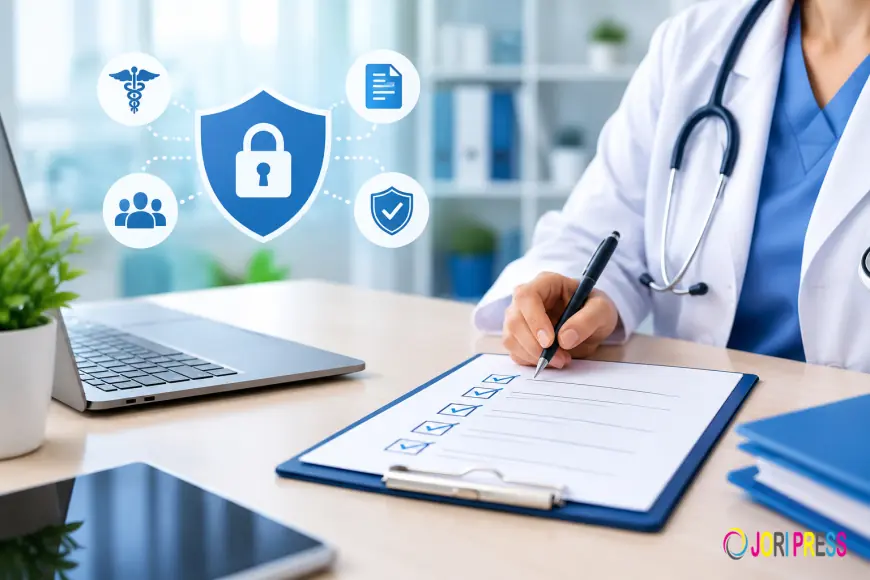
Healthcare call center outsourcing can help US healthcare organizations manage rising call volumes, improve access, and support patients consistently. However, outsourcing also creates privacy and security responsibilities that organizations cannot afford to overlook. One weak vendor control can expose sensitive patient information and damage public trust.
A healthcare contact center may handle appointment details, insurance information, prescription inquiries, and protected health information (PHI). Each interaction creates potential risks if employees lack training or systems lack proper safeguards. Therefore, healthcare leaders must evaluate more than staffing capacity, pricing, and service-level agreements.
A strong outsourcing strategy combines operational efficiency with documented privacy controls and ongoing oversight. Before signing a contract, decision-makers should examine seven critical risks. These checks can help organizations choose a suitable partner while protecting patients and supporting healthcare BPO compliance.
1. Weak HIPAA Compliance Verification
A vendor’s promise to protect patient information is not enough. Healthcare organizations should examine documented policies, security procedures, workforce training, risk assessments, and incident response plans. They should also establish which services involve PHI and which safeguards apply to those activities.
Importantly, HIPAA does not provide a simple certification that guarantees a vendor’s compliance. A HIPAA-compliant healthcare call center must demonstrate appropriate practices for its role and responsibilities. Ask for evidence of controls, clear accountability, and regular reviews rather than relying on marketing claims alone.
2. Missing or Incomplete Business Associate Agreements
A Business Associate Agreement (BAA) establishes required contractual safeguards when a business associate handles PHI on behalf of a covered entity. Before launching outsourced support, determine whether the vendor qualifies as a business associate and whether a BAA is required. The agreement should address permitted uses, safeguards, incident reporting, and applicable subcontractor obligations.
However, signing a BAA does not eliminate operational risk or transfer every compliance responsibility. Both parties need clear procedures for handling information, reporting incidents, and ending access when contracts expire. Review the HHS guidance on business associates before finalizing contractual responsibilities.
3. Excessive Employee Access to Patient Information
Not every call center employee needs access to every patient record. However, shared logins, excessive permissions, and weak identity checks can expose sensitive information. Ask how the vendor assigns user permissions, reviews access, removes former employees, and monitors suspicious activity.
For example, a representative handling appointment reminders may not need access to detailed clinical records. Role-based permissions and unique user accounts help limit unnecessary exposure. Review the vendor’s risk analysis and access-control procedures, following HHS guidance on HIPAA security risk analysis.
4. Inadequate Workforce Training and Identity Verification
Even strong technology cannot prevent every mistake. Representatives may disclose information to the wrong person, discuss account details before verifying identity, or mishandle sensitive call recordings. Therefore, training should cover approved verification steps, privacy expectations, suspicious requests, and secure documentation.
During onboarding, test employees using realistic scenarios before they handle live interactions. Then, schedule refresher training and quality reviews at least quarterly, with additional coaching after identified errors. A HIPAA-compliant call center should demonstrate how training translates into daily behavior, not simply provide attendance records.
5. Unsecured Call Recordings and Data Transfers
Healthcare call recordings can contain names, dates of birth, insurance details, and other PHI. Uncontrolled downloads, unrestricted storage, and unclear retention policies increase exposure. Ask which interactions the vendor records, who can access recordings, how long it retains them, and how securely it deletes them.
Also, review protections for email, messaging, file transfers, and remote access. Encryption, appropriate authentication, monitoring, and documented retention rules reduce preventable risks. Your agreement should clarify security responsibilities, data ownership, and how the vendor returns or destroys information when services end.
6. Slow Incident Reporting and Weak Response Plans
A delayed response can make a security incident harder to contain. In a documented case, Catholic Health Care Services agreed to a $650,000 settlement after a stolen mobile device compromised information belonging to 412 nursing home residents. The case demonstrates why business associates need practical safeguards, not just written policies. Read the HHS settlement summary.
Before contracting, request the vendor’s incident response process, escalation contacts, investigation procedures, and recovery plans. Establish contractual reporting timelines that meet applicable requirements and support prompt action. Test the process through tabletop exercises before launch, then review lessons learned after every significant incident.
7. Poor Subcontractor Oversight and Vendor Monitoring
Your outsourcing partner may rely on technology providers or subcontractors to deliver services. If those parties handle PHI, applicable business associate obligations may extend through the relationship. Ask who can access patient information, which subcontractors participate, and how the vendor assesses their security practices.
Finally, establish regular performance reviews rather than treating compliance as a one-time procurement task. During the first 90 days, review access records, training completion, quality findings, and incident logs. Afterward, maintain a risk-based review schedule and require corrective action plans when gaps appear.
Choose Healthcare Call Center Outsourcing With Confidence
A secure outsourcing decision requires more than a signed agreement or reassuring sales presentation. Healthcare organizations should verify safeguards, test real workflows, and define accountability before transferring patient-facing responsibilities. These seven checks provide a practical starting point for stronger healthcare BPO compliance across the United States.
The right partner should explain its controls clearly and support ongoing oversight. Explore healthcare payer support services to understand how structured member and provider operations can support complex healthcare workflows.
Ready to evaluate a healthcare contact center partner? Ameridial supports healthcare organizations with scalable contact center and BPO services. Book a free consultation with Ameridial to discuss your operational requirements and approach to protecting sensitive information.
What's Your Reaction?
 Like
0
Like
0
 Dislike
0
Dislike
0
 Love
0
Love
0
 Funny
0
Funny
0
 Angry
0
Angry
0
 Sad
0
Sad
0
 Wow
0
Wow
0