































Can a Damaged Car Still Be Recycled? Understanding Its Remaining Potential
Discover how damaged cars can retain value through reusable parts and material recovery. Learn how a scrap car buyer or junk car buyer assesses vehicle damage, how car recycling works, and when responsible car disposal becomes a practical alternative to costly repairs.
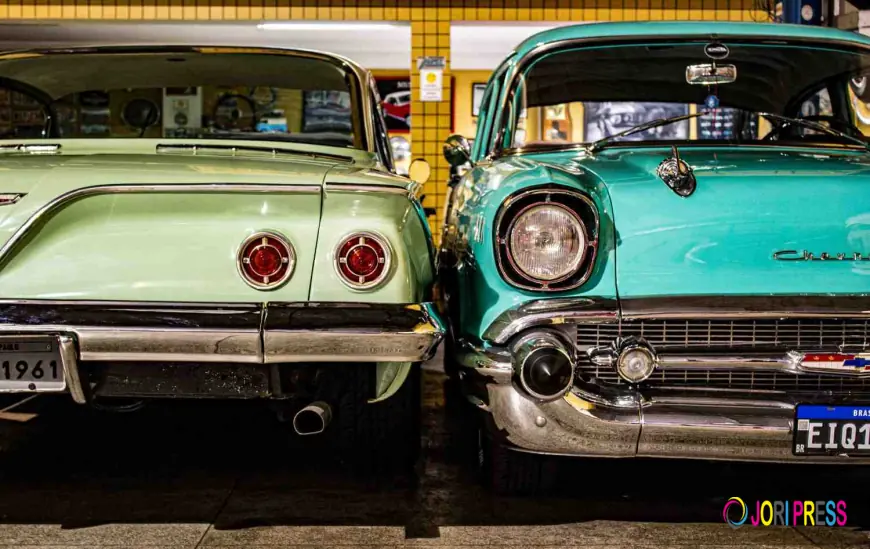
A damaged car may no longer be safe or economical to drive, but that does not mean every part has lost its usefulness. Collision damage, engine failure, severe rust and flooding can make repairs impractical while leaving certain components and materials suitable for recovery.
Car recycling provides a way to recover usable parts and materials from vehicles that have reached the end of their useful life on the road. The amount that can be recovered depends on the type of damage, the vehicle's condition, demand for replacement parts and the facilities available to process it.
Understanding these factors helps vehicle owners make informed decisions about repair, resale and car disposal.
Can a Damaged Car Still Be Recycled?
Yes. Many damaged vehicles can still be recycled, even when they cannot be driven or repaired economically. The important distinction is between a vehicle's ability to operate and its remaining value as a source of parts and materials.
For example, a collision might destroy the front bumper, radiator and headlights while leaving the rear doors, wheels and some mechanical components unaffected. Similarly, an engine failure may not affect the transmission, body panels or interior.
A damaged car can retain value through three main routes:
-
Parts reuse: Suitable components are inspected and recovered for potential use in other vehicles.
-
Material recovery: Metals such as steel, aluminium and copper are separated for further processing.
-
Specialised recycling: Certain batteries, tyres and other components may enter appropriate recovery systems.
Not every component can be reused, and not every material is economically recyclable. Nevertheless, significant damage does not automatically make an entire vehicle worthless.
Which Types of Damaged Cars Can Be Recycled?
The type and location of damage determine what can be recovered and how the vehicle should be handled.
Collision-Damaged Cars
Accidents can damage body panels, suspension systems, steering components and structural sections. A vehicle with limited exterior damage may retain many functional parts, while a severe collision can compromise components throughout the car.
Even when structural damage makes the vehicle unsuitable for road use, unaffected components may still have reuse potential. However, parts exposed to impact require appropriate inspection before being considered serviceable.
Cars With Engine or Transmission Failure
Major mechanical failures can make repairs expensive, particularly when replacement assemblies and labour costs approach or exceed the vehicle's value.
However, a failed engine does not necessarily mean the transmission, wheels, electrical components or body panels are unusable. A scrap car buyer may assess these remaining components alongside the vehicle's recoverable metal content.
Flood-Damaged and Fire-Damaged Vehicles
Floodwater can damage wiring, electronic control modules, bearings and interior materials. Saltwater exposure creates additional corrosion risks, while moisture trapped inside electrical connections can cause problems long after the vehicle has dried.
Fire can weaken metal, melt plastics and damage electrical insulation. Components that appear intact may still have suffered heat exposure.
These vehicles may offer fewer opportunities for parts reuse and require specialised assessment. In some cases, material recovery becomes the more practical option.
Cars With Severe Rust
Extensive corrosion can weaken load-bearing structures, suspension mounting points and other critical areas. When repairs become uneconomical, the vehicle may be suitable for recycling.
Although rust can reduce the value of certain components, remaining metal may still be recoverable through appropriate processing.
Which Car Parts Can Be Reused Before Recycling?
Before a vehicle enters the material recovery stage, suitable components may be removed for reuse. Their condition, availability and market demand determine whether recovery is practical.
Mechanical and Electrical Components
Depending on the vehicle, potentially reusable components include engines, transmissions, alternators, starter motors, sensors and selected suspension parts. These components may require testing or inspection to establish their condition.
Body Panels and Interior Parts
Doors, mirrors, tailgates, seats, switches and lighting assemblies can retain value when they are undamaged and compatible with vehicles that need replacements.
Parts availability matters as much as physical condition. A component from a common model may have limited demand, while a hard-to-find part for an older vehicle may attract greater interest.
Important: A component should not be considered reusable simply because it looks intact. Hidden collision damage, corrosion, electrical faults and excessive wear can affect its suitability.
What Materials Can Be Recovered From a Damaged Car?
When individual components have little reuse potential, material recovery becomes more important.
Steel and Aluminium
Steel forms a large portion of many vehicles, including body structures and numerous mechanical components. Aluminium is used in selected engine components, wheels, transmission housings and some body structures.
Suitable metals can be separated, processed and supplied to facilities that use recovered material in manufacturing.
Copper, Plastics, Glass and Rubber
Copper is present in vehicle wiring and electrical systems. Plastics, glass and rubber are also common, but their recovery depends on material composition, contamination and available processing technology.
Not all these materials follow the same recycling route. Some require specialised separation, while others may have limited recovery options.
Therefore, car recycling does not guarantee that every part becomes a new product. The outcome depends on the vehicle's composition and the capabilities of the recycling network.
How Does a Scrapyard Evaluate a Damaged Car?
A scrapyard or junkyard may assess a vehicle differently from a used-car dealership. Instead of focusing exclusively on roadworthiness, the assessment may consider reusable components, recoverable materials and processing requirements.
Vehicle Condition and Completeness
The location of the damage, missing components and overall condition help determine the vehicle's recovery potential. A complete vehicle may offer more opportunities for parts reuse than one with its engine, wheels or other major components removed.
Make, Model and Parts Demand
Demand for replacement parts varies by vehicle age, model popularity and availability of alternatives. Even a relatively common car may contain components with little resale demand.
Weight and Recoverable Materials
When parts reuse is limited, vehicle weight and recoverable metal content become more significant. Material composition, current scrap-market conditions and processing costs can influence the assessment.
Towing and Processing Requirements
A car that cannot roll or steer may require specialised loading equipment. Fluid leaks, damaged batteries and fire exposure can also create additional handling requirements.
These factors help explain why two vehicles with similar visible damage may receive different assessments.
How Does the Car Recycling Process Work?
The exact process varies by facility, but responsible vehicle recycling generally involves several stages.
1. Inspection and Assessment
The vehicle is assessed for its condition, completeness, potential reusable parts and obvious hazards. Required ownership documentation is also addressed.
2. Removal of Fluids and Hazardous Components
Appropriate facilities manage fuel, engine oil, coolant, refrigerants, batteries and other materials requiring specialised handling. Airbags and seat-belt pretensioners also require suitable procedures.
3. Recovery of Reusable Parts
Components with realistic reuse potential may be removed, inspected, tested where appropriate and prepared for further use.
4. Metal Separation and Processing
After suitable preparation, the remaining vehicle may be crushed or shredded at an appropriate facility. Separation systems help recover ferrous metals and non-ferrous materials.
5. Transfer to Appropriate Recycling Facilities
Recovered materials are sent to processors or manufacturers that can use them. Other components may follow specialised recycling routes, while some residual materials may not be recoverable.
Is It Better to Repair a Damaged Car or Recycle It?
The decision depends on repair costs, safety, the vehicle's remaining value and its likely service life.
When Repair May Be Worthwhile
A vehicle with limited damage and a sound mechanical foundation may justify repairs if the work can restore safe operation at a reasonable cost.
When Car Disposal May Be More Practical
Extensive structural damage, multiple mechanical failures or recurring repair bills can make continued ownership uneconomical. A realistic repair estimate should be compared with the vehicle's current value and expected value after repairs.
If the car cannot be restored safely or the financial investment is difficult to justify, selling it to a scrap car buyer or arranging recycling may be a practical alternative.
How to Choose a Scrap Car Buyer or Junk Car Buyer
When a vehicle is no longer suitable for repair, an appropriate scrap car buyer or junk car buyer can assess its remaining parts and material value.
Before arranging collection, consider these points:
-
Describe the damage accurately: Explain whether the car has engine failure, collision damage, flood exposure or missing parts.
-
Confirm towing arrangements: Ask whether collection is available for vehicles that do not start or cannot move.
-
Clarify the offer: Confirm the quoted amount and whether towing or other services involve additional charges.
-
Prepare the paperwork: Follow applicable provincial ownership and transfer requirements.
-
Ask about handling: Confirm how the vehicle and any hazardous components will be managed.
Clear communication helps avoid unexpected changes to the offer or collection arrangements.
How to Prepare a Damaged Car for Recycling
A few practical steps can make car disposal easier.
Gather Required Documents
Prepare the relevant ownership and transfer documents according to provincial requirements.
Remove Personal Belongings
Check the glove compartment, boot, storage compartments and other areas. Remove personal documents and private information from electronic devices where possible.
Disclose Damage and Missing Parts
Tell the buyer about major mechanical problems, missing components, fluid leaks or damage that could affect loading and transportation.
Confirm Collection Details
Establish the pickup arrangements before the vehicle is collected, particularly if it is severely damaged or cannot roll.
Why Responsible Car Recycling Matters
Leaving an unwanted vehicle exposed to the elements can contribute to deterioration and create problems if fluids leak or components become damaged.
Responsible car disposal provides a route for assessing the vehicle, managing hazardous materials and recovering suitable parts and metals. While recycling cannot eliminate every environmental impact or recover every material, it can help reduce the amount of usable material lost when a vehicle is simply abandoned.
The process is especially important for flood-damaged, fire-damaged and heavily corroded vehicles that may require additional precautions.
Conclusion: A Damaged Car Can Still Have Recycling Potential
A damaged vehicle may no longer be worth repairing, but its remaining components and materials can still serve useful purposes. Depending on the circumstances, reusable parts can support other vehicle repairs, while steel, aluminium and other recoverable materials can enter appropriate processing systems.
The most suitable option depends on the severity of the damage, component condition, market demand and processing costs. When repair is no longer practical, a suitable scrap car buyer, junk car buyer or recycling facility can help determine the vehicle's remaining potential.
By considering parts reuse, material recovery and responsible handling, owners can make better-informed decisions about car recycling and car disposal.
What's Your Reaction?
 Like
0
Like
0
 Dislike
0
Dislike
0
 Love
0
Love
0
 Funny
0
Funny
0
 Angry
0
Angry
0
 Sad
0
Sad
0
 Wow
0
Wow
0