






































How to Choose the Right School Bag for Kids
Choose the right school bag with tips on comfort, size, durability, and storage. Find practical, child-friendly everyday options from Hamster London today.

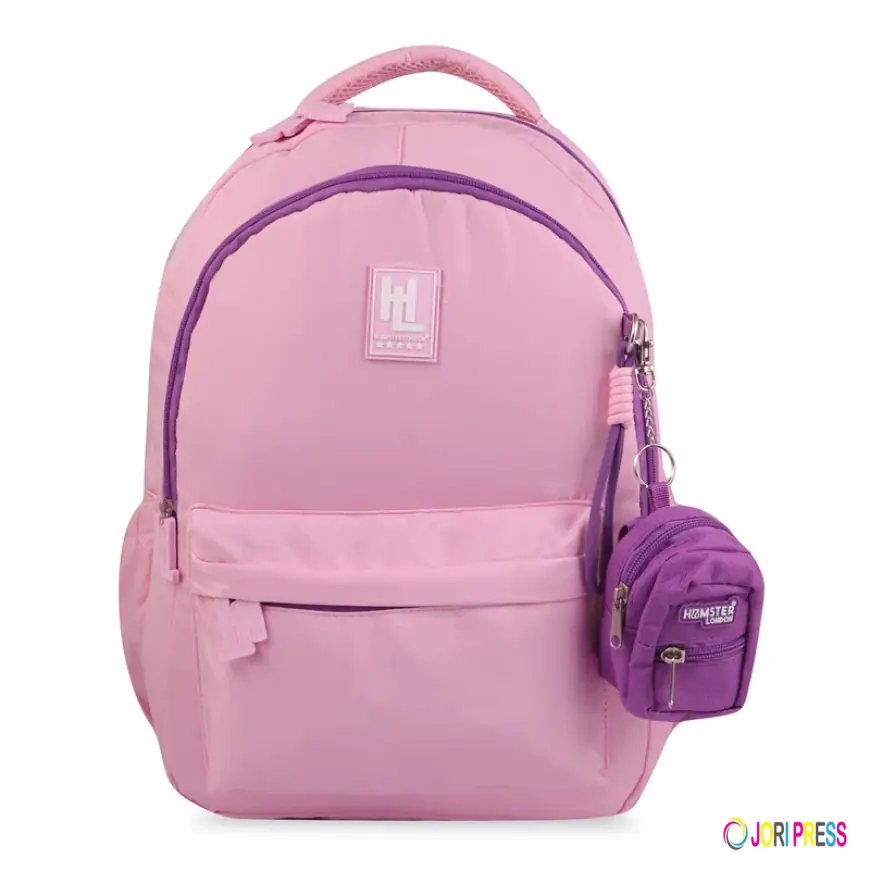
A school bag is one of the most important everyday essentials for a child. It carries books, lunch boxes, water bottles, stationery, and other daily necessities while supporting a child's routine throughout the school year. Choosing the right school bag is about more than just color or design. The right bag should offer comfort, durability, proper organization, and the right fit for your child's age and needs.
With growing awareness of children's posture and physical health, parents are paying closer attention to ergonomic features, quality materials, and practical storage. This guide covers everything you need to know before selecting a school bag that your child will enjoy using every day.
Why Choosing the Right School Bag Matters
Children wear their school bags for several hours every day. A poorly designed bag or one that doesn't fit correctly can lead to discomfort, shoulder strain, poor posture, and unnecessary fatigue. According to recommendations from the American Academy of Pediatrics (AAP), a loaded backpack should generally not exceed 10–20% of a child's body weight, helping reduce the risk of back and shoulder problems.
A well-designed school bag distributes weight evenly, keeps belongings organized, and allows children to move comfortably throughout the day.
1. Choose the Correct Size
One of the biggest mistakes parents make is purchasing a bag that's too large in the hope that it will last for several years. While durability is important, an oversized bag can become uncomfortable and encourage children to carry unnecessary items.
A properly sized school bag should:
-
Sit comfortably against the child's back.
-
Not extend below the waist.
-
Be proportional to the child's height and build.
-
Provide enough space without appearing bulky.
Selecting the correct size helps improve balance and makes daily carrying much easier.
2. Prioritize Comfortable Shoulder Straps
Comfort begins with the shoulder straps. Wide, padded straps help distribute weight evenly across both shoulders and reduce pressure on the neck.
Look for features such as:
-
Thick padded shoulder straps
-
Adjustable strap length
-
Breathable cushioning
-
Strong stitching for long-term durability
Children should always wear both shoulder straps instead of carrying the bag on one shoulder.
3. Check the Back Panel Support
A padded back panel adds comfort while protecting children from sharp book edges or hard objects inside the bag.
Many modern school bags include:
-
Soft foam padding
-
Breathable mesh fabric
-
Ergonomic support
-
Lightweight construction
These features help improve comfort during long school days.
4. Select Lightweight Materials
Even before books are packed, some bags are already heavy. Choosing a lightweight bag allows children to carry their school supplies more comfortably.
Popular lightweight materials include:
-
Polyester
-
Nylon
-
Water-resistant fabrics
-
Durable woven materials
Lightweight construction also helps reduce unnecessary strain on growing muscles.
5. Look for Multiple Compartments
A well-organized school bag helps children keep their belongings neat and easy to access.
Useful compartments include:
-
Large main compartment for books
-
Laptop or tablet sleeve (if required)
-
Front pocket for stationery
-
Side pockets for water bottles
-
Small zippered section for ID cards or personal items
Organized storage also encourages children to develop good habits.
6. Consider Water Resistance
Children often travel to school during unpredictable weather. A water-resistant school bag helps protect books, notebooks, and electronic devices from light rain or accidental spills.
While water resistance doesn't replace a waterproof cover during heavy rain, it provides valuable everyday protection.
7. Evaluate the Quality of Zippers and Stitching
The durability of a school bag depends heavily on its construction.
Before buying, inspect:
-
Smooth, sturdy zippers
-
Reinforced stitching
-
Strong handles
-
Durable seams
-
High-quality fabric
Investing in better construction usually means the bag lasts much longer despite daily use.
8. Think About Safety Features
Safety is becoming an increasingly important consideration for parents.
Useful features include:
-
Reflective strips for visibility during early mornings or evenings
-
Bright colors that are easy to spot
-
Easy-to-open zippers
-
Secure closures
These small details can improve visibility and convenience during daily travel.
9. Pick a Design Kids Will Love
Children are more likely to enjoy using a school bag that reflects their personality.
Popular themes include:
-
Animals
-
Space
-
Superheroes
-
Unicorns
-
Dinosaurs
-
Cartoon-inspired prints
-
Minimal modern patterns
Allowing children to participate in choosing their bag often makes them more excited about going to school while still ensuring parents select a practical option.
10. Choose a Bag That Matches Daily Needs
Every child has different school requirements. Some carry only a few notebooks, while others need space for sportswear, lunch boxes, art supplies, or activity books.
Before purchasing, consider:
-
Daily book load
-
Lunch box size
-
Water bottle capacity
-
School schedule
-
Extra-curricular activities
Matching the bag to everyday needs improves comfort and organization.
Helpful Tips for Parents
To maximize the life of a school bag and ensure children's comfort:
-
Remove unnecessary items weekly.
-
Clean the bag according to the manufacturer's care instructions.
-
Adjust shoulder straps regularly as children grow.
-
Place heavier books closest to the back panel.
-
Replace damaged bags before they begin affecting comfort or safety.
Simple maintenance can significantly extend the lifespan of a quality school bag.
What Makes a Good School Bag?
A high-quality school bag combines several important features:
-
Comfortable fit
-
Lightweight construction
-
Strong stitching
-
Adjustable padded straps
-
Multiple storage compartments
-
Water-resistant material
-
Durable zippers
-
Child-friendly design
Parents should focus on functionality first and style second, ensuring the bag supports children's daily routines without causing discomfort.
Final Thoughts
Choosing the right school bag is an investment in a child's comfort, organization, and overall school experience. By considering size, weight, durability, ergonomic design, storage capacity, and safety features, parents can confidently select a bag that meets both practical and personal preferences.
Whether you're preparing for a new school year or replacing an old backpack, taking the time to compare features can make a meaningful difference. Hamster London offers thoughtfully designed school bags that balance comfort, durability, and playful designs to suit growing children and their everyday adventures. When selecting your next backpack, exploring reliable options from Hamster London can help ensure your child is ready for every school day with confidence.
What's Your Reaction?
 Like
0
Like
0
 Dislike
0
Dislike
0
 Love
0
Love
0
 Funny
0
Funny
0
 Angry
0
Angry
0
 Sad
0
Sad
0
 Wow
0
Wow
0