







































How to Choose the Right Aurora Tour Dates for Maximum Viewing Chances
Plan your Aurora Tour Dates smartly! Learn the best seasons, moon phases, weather tips, and expert strategies to maximize your chances of seeing the northern lights.

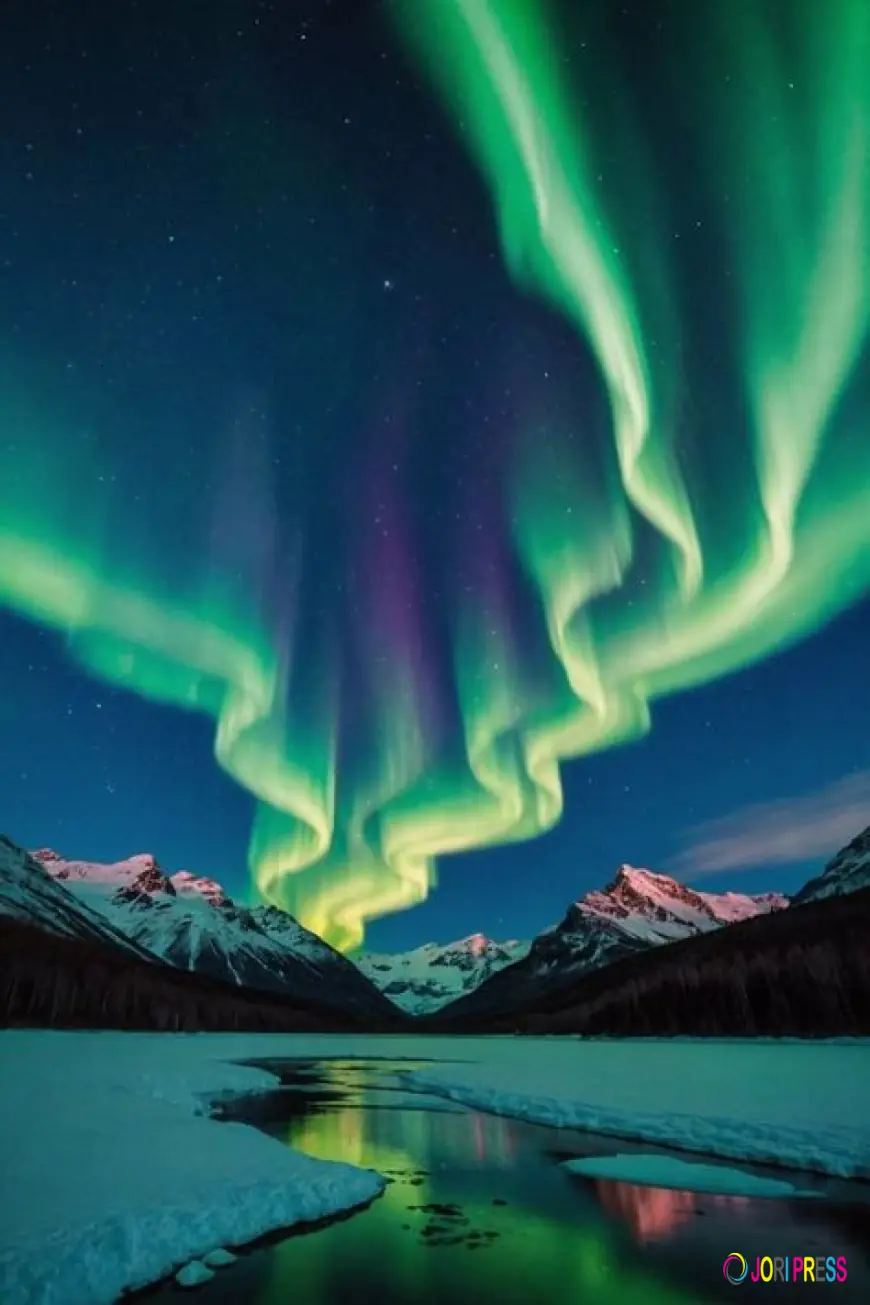
How to Choose the Right Aurora Tour Dates for Maximum
Viewing Chances
Witnessing the aurora borealis is a dream for many travelers. The dancing lights across the night sky create a magical experience that feels almost unreal. However, seeing the aurora is not just about choosing the right destination—it’s equally about selecting the right Aurora Tour Dates. Timing
plays a crucial role in maximizing your chances of a successful aurora sighting. In this guide, we’ll break down everything you need to know to choose the best tour dates and make the most of your northern lights adventure.
Understanding How the Aurora Works
Before selecting Aurora Tour Dates, it’s important to understand what causes the aurora. The northern lights occur when charged particles from the sun collide with gases in Earth’s atmosphere. This activity is influenced by solar storms, geomagnetic activity, and space weather conditions—factors that can’t be predicted with absolute certainty.
That’s why planning your trip around probability rather than guarantees is key. Choosing the right season, moon phase, and tour duration can significantly increase your chances of seeing the aurora.
Best Season to Plan Aurora Tour Dates
The aurora is visible in Canada and other northern regions from late September to early April. This period offers the darkness required to view the lights clearly.
-
September to October: Ideal for travelers who prefer milder weather and fewer crowds. Early-season auroras can be very active.
-
November to February: Peak winter months provide long, dark nights and high aurora activity, but temperatures can be extremely cold.
-
March to early April: A popular time due to improving weather, longer daylight hours, and strong geomagnetic activity.
When choosing Aurora Tour Dates, most experts recommend late February to March as a perfect balance between comfort and viewing potential.
Importance of Darkness and Moon Phases
Dark skies are essential for aurora viewing. Even during peak aurora activity, bright moonlight can reduce visibility.
When planning Aurora Tour Dates:
-
Aim for dates near a new moon
-
Avoid full moon periods if possible
-
Choose destinations away from city lights
Many professional tour operators plan their schedules around moon cycles, offering optimal aurora experiences during darker nights.
Solar Activity and Aurora Forecasts
Solar activity follows an approximately 11-year solar cycle, with periods of higher and lower activity. While you can’t plan years ahead with exact precision, you can monitor short-term aurora forecasts.
Tips for using forecasts:
-
Check KP Index levels (KP 4+ is ideal for aurora viewing)
-
Monitor space weather updates 7–10 days before your trip
-
Be flexible with Aurora Tour Dates if possible
Booking tours with operators who actively track aurora forecasts can dramatically improve your chances.
Why Longer Tours Increase Success Rates
One of the biggest mistakes travelers make is booking a one-night aurora tour. Since aurora activity can vary nightly, longer stays significantly boost success rates.
Ideal Aurora Tour Dates should include:
-
3–5 nights minimum
-
Multiple viewing opportunities
-
Backup nights for cloudy weather
Many experienced travelers choose week-long packages to maximize exposure to favorable conditions.
Weather Conditions Matter More Than You Think
Even with perfect Aurora Tour Dates, cloudy skies can ruin your chances. Clear skies are essential.
When selecting dates:
-
Research regions with historically low cloud cover
-
Avoid peak storm seasons
-
Choose destinations known for stable winter weather
Some tour providers even offer “aurora chaser” experiences, traveling to areas with clearer skies on short notice.
Weekdays vs. Peak Tourist Seasons
Choosing Aurora Tour Dates outside major holidays can improve your experience. Peak seasons like Christmas and New Year often bring higher prices and crowded tours.
Benefits of off-peak dates:
-
Better availability
-
More personalized tours
-
Potentially lower costs
Late January, February, and early March weekdays often offer excellent conditions with fewer tourists.
Flexibility Is the Key to Success
The best aurora hunters know that flexibility is everything. If your schedule allows, keep your Aurora Tour Dates open-ended or book tours that offer free rebooking or extended viewing options.
Look for tour operators that provide:
-
Multiple-night guarantees
-
Reattempts if no aurora appears
-
Real-time decision-making based on forecasts
Final Thoughts
Choosing the right Aurora Tour Dates is the single most important factor in turning your northern lights dream into reality. By understanding seasonal patterns, moon phases, solar activity, weather conditions, and tour duration, you can dramatically increase your chances of witnessing this breathtaking natural phenomenon.
Plan smart, stay flexible, and remember—while the aurora can’t be controlled, the right Aurora Tour Dates can bring you closer to one of nature’s most unforgettable shows.
What's Your Reaction?
 Like
0
Like
0
 Dislike
0
Dislike
0
 Love
0
Love
0
 Funny
0
Funny
0
 Angry
0
Angry
0
 Sad
0
Sad
0
 Wow
0
Wow
0