



































How to Choose the Best Interior Designers San Diego for Mid Century Furniture and Style
For mid century furniture san diego homes, the key is restraint. A room does not need every piece to be mid century. In fact, the best spaces often mix eras.


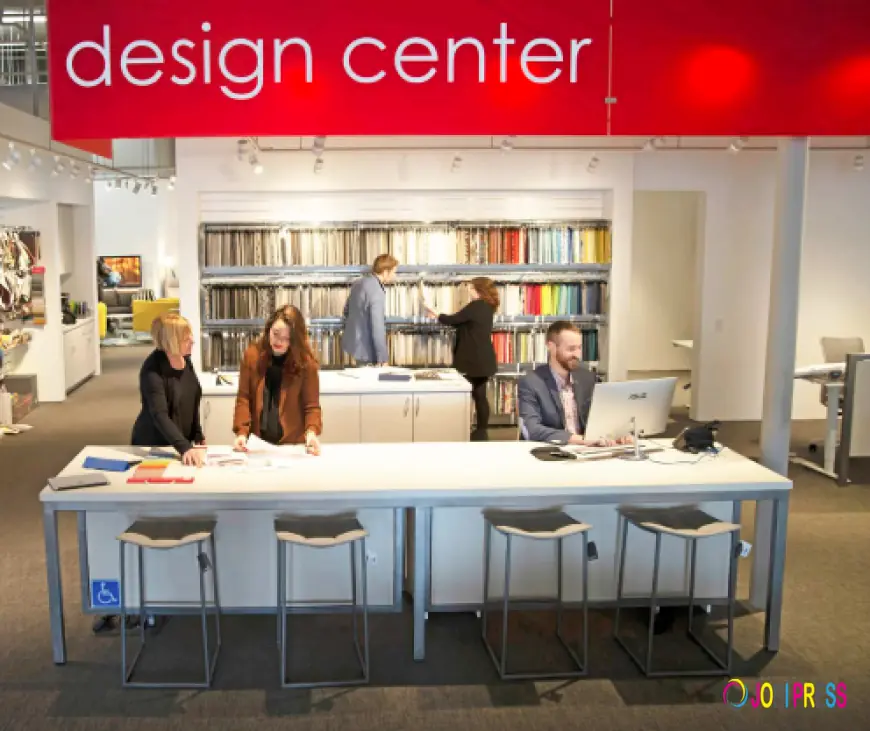
Choosing an interior designer can feel simple until the samples, floor plans, sofas, wood finishes, and lighting options start piling up. Mid century style looks effortless when it is done well, but it can feel flat, crowded, or too themed when the proportions are wrong.
San Diego homes make the choice even more interesting. Coastal light, open plans, indoor-outdoor living, older ranch homes, condos, and modern builds all need a different hand. The right designer will not just pick beautiful furniture. They will help the room feel balanced, livable, and personal.
This guide explains what to look for, how to compare designers, when to bring one in, and where furniture shopping fits into the process.
What makes a good mid century interior designer
A good mid century designer understands more than the look. They understand why the style works.
Mid century furniture is known for clean lines, tapered legs, honest materials, and practical comfort. The best rooms mix these elements with warmth. They do not feel like a film set or a museum.
Look for a designer who can explain choices in plain language. If they recommend a walnut sideboard, they should be able to tell you why the scale works, why the finish supports the room, and how it connects to the sofa, rug, art, and lighting.
A strong designer will also respect how the home is used. A living room for quiet evenings needs a different layout from one built around guests, children, pets, and weekend entertaining.
The best interior designers san diego for this style tend to share a few habits:
- They study the architecture before choosing furniture.
- They use vintage-inspired pieces without making the room feel dated.
- They balance wood, fabric, metal, leather, glass, and texture.
- They leave enough open space for the furniture to breathe.
- They know when to add contrast instead of matching everything.
Mid century style can be warm and relaxed, clean and minimal, or colourful and playful. A good designer helps define which version suits the home.
How to review an interior designer’s portfolio
A portfolio should show more than attractive photos. It should show judgement.
When reviewing a designer’s work, look closely at proportion. Does the sofa fit the room, or does it overpower it? Are the chairs placed for real conversation? Is the lighting layered, or does the room rely on one overhead fixture?
A polished room can still be impractical. Pay attention to signs that the space could actually be lived in.
Look for variety within the same style
If every room looks the same, the designer may be repeating a formula. Mid century design has many expressions. A coastal San Diego home might call for light oak, linen, and soft edges. A Hillcrest or North Park bungalow might suit richer walnut, vintage shapes, and bold art. A modern condo might need cleaner silhouettes and smart storage.
The portfolio should show that the designer can adapt.
Check the furniture choices
Furniture is the foundation of this style. The wrong sofa can throw off the whole room.
Look for:
- Low, well-proportioned seating
- Tables with clear forms and useful surfaces
- Storage that blends function and beauty
- Lounge chairs that add character without blocking movement
- Rugs that anchor the room rather than float under the coffee table
If the furniture feels chosen only for a photograph, the room may not stay comfortable over time.
Notice the negative space
Mid century rooms need breathing room. Too many pieces weaken the design. A confident designer knows when to stop.
A room with fewer, better pieces often feels more refined than a room filled with matching items.
Where furniture shopping fits into the design process
Many people start by buying a sofa or dining table, then call a designer when the room still feels unfinished. That can work, but it often limits the final result.
A better path is to start with the room plan. Once the layout is clear, furniture shopping becomes easier.
A good furniture store in san diego can also help connect the design idea to real pieces. Seeing scale, comfort, fabric, and wood tone in person can prevent expensive mistakes. Photos do not always show seat depth, cushion feel, or finish variation.
Why showrooms still matter
Online inspiration is useful, but showrooms answer questions that a screen cannot.
In person, it is easier to judge:
- Seat height
- Cushion firmness
- Fabric texture
- Wood finish
- Overall scale
- Comfort over more than a few seconds
- How pieces relate to each other
This matters even more with mid century furniture. Many pieces have slim arms, low backs, and exposed legs. A sofa may look light and elegant online but feel too shallow for daily use. A dining chair may photograph beautifully but fail the comfort test.
The best result often comes from a partnership. The designer shapes the plan, and the showroom helps bring that plan into the physical world.
How to choose between interior design stores and independent designers
San Diego has a mix of independent designers, furniture showrooms, and design-focused retailers. Each can be useful, depending on the project.
Independent designers are often best for whole-home planning, remodel coordination, custom solutions, and layered rooms with many moving parts. They can guide the full concept, manage details, and work with trades.
Design-led stores can be ideal when the main need is furniture selection, room refreshes, upholstery choices, and finishing touches. Some stores offer design services or in-store consultations that help narrow down options.
The right choice depends on the scope.
Project need
Best fit
One room refresh
Design-focused showroom or interior designer
Whole-home furnishing
Interior designer with furniture sourcing support
Remodel with new furniture
Interior designer, possibly with contractor coordination
Sofa, dining, or bedroom update
Furniture showroom with design guidance
Custom layout and styling
Interior designer or full-service design team
When comparing interior design stores san diego, ask how their process works. Some may help with measurements and product selection. Others may offer a more complete design service. Clear expectations matter.
When to hire a designer
The best time to hire a designer is earlier than most people think.
Bring a designer in before major purchases, especially if the room needs several pieces. A sofa, rug, media console, coffee table, lamps, and artwork all affect one another. Buying them one at a time without a plan can lead to a room that feels disconnected.
Hire a designer before a remodel
If walls, flooring, windows, lighting, or built-ins are changing, design input should come early. Furniture placement affects outlet locations, lighting plans, rug sizes, and traffic flow.
For example, a mid century living room often benefits from floor lamps, table lamps, and warm accent lighting. If the electrical plan ignores furniture placement, the room may need cords running across walkways later.
Hire a designer before buying large furniture
Large pieces set the tone. A sofa that is too bulky can make mid century tables and chairs look small. A dining table that is too long can block movement. A bed frame with the wrong height can throw off the whole bedroom.
A designer helps avoid these problems before money is spent.
Hire a designer when the room nearly works
Sometimes the issue is not the furniture itself. It may be layout, lighting, rug size, art placement, or missing contrast. A designer can often make a room feel finished without starting from zero.
What questions to ask before you commit
A designer’s answers can reveal how they think. Use the first conversation to understand process, not just style.
Ask questions such as:
- How do you begin a mid century furniture project?
- Do you work from floor plans and measurements?
- How do you choose between vintage, new, and custom pieces?
- Can you work with furniture from a showroom I already like?
- How do you handle budget priorities?
- What parts of the project will I approve before purchasing?
- How do you balance style with daily comfort?
- What happens if a selected item is delayed or unavailable?
The best answers will feel clear, practical, and specific. Be cautious if the conversation stays vague or focuses only on trends.
How to define your own style before the first meeting
Before speaking with a designer, gather a small set of references. Keep it focused. Ten strong images are more useful than one hundred mixed ones.
As you review them, look for patterns:
- Do you prefer light wood or dark walnut?
- Do you like slim sofas or deeper lounge seating?
- Are you drawn to warm neutrals, earth tones, or bold colour?
- Do you prefer sculptural lighting or quiet fixtures?
- Should the room feel casual, polished, vintage, or minimal?
Also list what you dislike. That can save time. If you do not like chrome, glass tables, low seating, or orange-toned wood, say so early.
A good designer will not copy your inspiration images. They will use them to understand direction.
Where mid century furniture works best in San Diego homes
Mid century style suits many San Diego homes because it works well with natural light and relaxed living. It can soften modern architecture, sharpen a casual coastal room, or honour the lines of an older ranch-style house.
For mid century furniture san diego homes, the key is restraint. A room does not need every piece to be mid century. In fact, the best spaces often mix eras.
A walnut media console can sit with a modern sectional. A vintage-style lounge chair can pair with a simple wool rug. A round dining table can soften a boxy apartment. The goal is connection, not strict historical accuracy.
Living rooms
Focus on seating, table height, rug size, and lighting. Mid century living rooms often work best with a low sofa, one or two lounge chairs, a wood coffee table, and warm lamps.
Dining rooms
Choose chairs carefully. Looks matter, but comfort matters more. If meals last long, test the chair properly.
Bedrooms
A low wood bed, clean nightstands, and soft textiles can create calm without feeling bare. Keep storage practical.
Entryways
A slim console, mirror, bench, or sculptural lamp can set the tone without crowding the space.
How to judge quality when choosing furniture
Quality shows up in details. It is not only about price or brand.
When reviewing furniture, check the frame, joinery, comfort, fabric, and finish. Drawers should move smoothly. Chairs should feel stable. Upholstery should sit cleanly at seams and corners. Wood should feel intentional, not thin or artificial.
Ask about care as well. San Diego homes may bring in sunlight, salt air, pets, sand, and everyday wear. The right fabric and finish should match the way the home is used.
For families or high-use rooms, performance fabrics may make sense. For quieter spaces, finer textures may be suitable. A good designer will guide these choices instead of pushing one answer for every room.
What a good design process should feel like
A reliable design process should feel organised but not rigid. You should know what happens next and what decisions are needed.
A typical process may include:
- Discovery conversation The designer learns about the home, style, needs, and budget.
- Measurements and room review Accurate dimensions guide layout and furniture scale.
- Concept direction Mood, materials, colours, and key furniture ideas come together.
- Furniture plan The designer selects pieces that fit the layout and purpose.
- Review and revision Choices are refined before orders are placed.
- Delivery and placement Furniture arrives, and the room is arranged with care.
- Styling Lighting, art, rugs, objects, and textiles complete the space.
Good designers make the process feel less stressful. They reduce guesswork and help each choice support the next one.
FAQ
What is the best way to start a mid century interior design project?
Start with the room’s purpose and measurements. Decide how the space needs to function, then build the furniture plan around scale, comfort, and movement.
How do I know if a designer understands mid century style?
Review their portfolio for proportion, wood tones, clean lines, lighting, and restraint. A good designer should explain why each piece works, not just say it fits the style.
When should I visit a furniture showroom?
Visit once you have a rough layout or design direction. That makes it easier to test comfort, compare finishes, and avoid buying pieces that do not fit the plan.
Where does mid century furniture work best?
It works well in living rooms, dining rooms, bedrooms, and entryways. The style is especially strong in rooms with natural light, open space, and a clear furniture layout.
What should I avoid when designing a mid century room?
Avoid buying too many matching pieces. Also avoid furniture that is too large for the room, lighting that feels cold, and spaces with no texture or softness.
The right designer makes the style feel personal
Mid century design works because it is practical, graceful, and human. The right designer will protect those qualities while shaping the room around real life.
Look for clear process, strong proportion, thoughtful furniture choices, and a willingness to listen. Pair that with a showroom experience where you can test comfort and materials in person. The result is a home that feels warm, balanced, and built to last, not just styled for a photograph.
What's Your Reaction?
 Like
0
Like
0
 Dislike
0
Dislike
0
 Love
0
Love
0
 Funny
0
Funny
0
 Angry
0
Angry
0
 Sad
0
Sad
0
 Wow
0
Wow
0