





































How Packaging Innovation Is Supporting Growth in the Edible Oils Industry
Explore how sustainability, convenience, and e-commerce trends are transforming the edible oils packaging market through innovative materials, smart labeling, and consumer-focused packaging solutions.

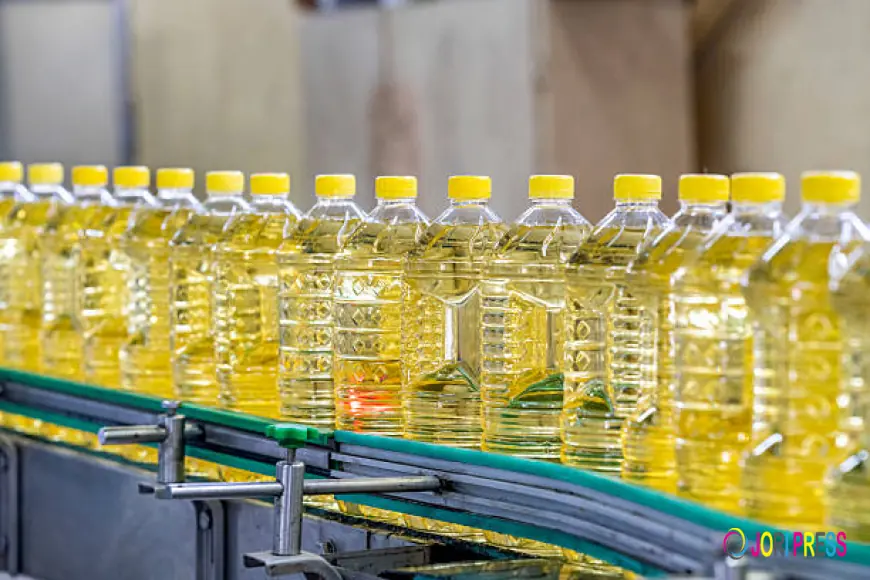
Packaging is becoming an increasingly important aspect of the edible oils industry as manufacturers respond to evolving consumer expectations, retail expansion, and sustainability priorities. While product quality remains central to purchasing decisions, packaging now influences convenience, shelf appeal, product safety, and distribution efficiency across both household and commercial applications.
According to the study published by Vyansa Intelligence, the edible oils packaging industry examines how changing consumption patterns and packaging technologies are influencing the broader market landscape.
Consumer Convenience Is Influencing Packaging Design
Modern consumers increasingly prefer packaging that is lightweight, easy to handle, and suitable for everyday kitchen use. This shift has encouraged edible oil manufacturers to adopt packaging formats that improve usability while supporting transportation and storage efficiency.
Easy-pour bottles, ergonomic containers, resealable caps, and compact pouch packaging are becoming more common across retail shelves. Flexible packaging formats are particularly gaining attention because they reduce material usage and improve portability for consumers.
Smaller packaging units are also witnessing stronger demand in urban markets where households often prioritize affordability, storage convenience, and controlled consumption. In contrast, larger bulk packaging formats continue to remain relevant within commercial foodservice and hospitality applications.
Sustainability Is Becoming a Key Packaging Priority
Environmental considerations are increasingly influencing packaging strategies within the food and beverage sector. Manufacturers are under growing pressure to reduce packaging waste, improve recyclability, and optimize material usage throughout the supply chain.
Plastic packaging continues to dominate the edible oils market because of its affordability, durability, and lightweight properties. However, companies are increasingly introducing recycled-content plastics and thinner packaging materials to reduce environmental impact.
Glass bottles remain important within premium edible oil categories such as olive oil and specialty cooking oils, where packaging presentation contributes to product positioning and perceived quality. Meanwhile, flexible pouches are gaining popularity because they typically require fewer raw materials and can help lower transportation emissions.
The United Nations Environment Programme (UNEP has consistently emphasized the importance of reducing packaging waste and improving circular material systems across consumer goods industries. Similarly, the Food and Agriculture Organization of the United Nations (FAO) has highlighted the role of sustainable packaging in strengthening global food supply chains and reducing material inefficiencies.
Product Protection Remains Essential
Edible oils are sensitive to external environmental conditions such as light exposure, oxygen, moisture, and heat. Effective packaging plays a critical role in preserving product freshness, maintaining nutritional quality, and extending shelf life.
Manufacturers are increasingly investing in barrier packaging technologies that help minimize oxidation and contamination risks. Leak-resistant closures, tamper-evident caps, and airtight seals are also becoming standard packaging features across multiple product categories.
Packaging durability is especially important for long-distance transportation and large-scale retail distribution networks. Stronger packaging materials help reduce product losses while improving operational efficiency across logistics channels.
E-Commerce Expansion Is Creating New Packaging Requirements
The growth of online grocery platforms and direct-to-consumer food delivery services is reshaping packaging expectations within the edible oils market. Products now require packaging that can withstand shipping pressures while maintaining product integrity throughout the delivery process.
This trend has encouraged manufacturers to focus on impact-resistant containers, spill-proof designs, and secondary protective packaging. Lightweight packaging solutions are also helping companies optimize transportation costs within e-commerce supply chains.
In digital retail environments, packaging presentation has become increasingly important because consumers often evaluate products based on online visuals and packaging appearance before making purchasing decisions.
Smart Labeling and Transparency Are Gaining Importance
Consumers are showing greater interest in nutritional transparency, ingredient sourcing, and product authenticity. As a result, edible oil brands are gradually integrating digital labeling features into packaging designs.
QR codes and traceability systems allow consumers to access additional information related to sourcing practices, certifications, manufacturing processes, and sustainability initiatives. These features are particularly relevant for premium edible oils and health-focused product categories.
Although adoption remains relatively limited compared to some other food industries, connected packaging technologies may become more prominent as transparency expectations continue to evolve globally.
Emerging Markets Continue to Drive Demand
Rapid urbanization, population growth, and rising packaged food consumption are contributing to increasing edible oil demand across emerging economies. Expanding supermarket networks and improving retail infrastructure are also supporting packaged edible oil sales in several developing regions.
In these markets, affordability and packaging scalability remain important considerations for manufacturers. Flexible pouches and lightweight plastic packaging formats are often preferred because they support cost efficiency and broad consumer accessibility.
At the same time, premiumization trends are encouraging demand for visually differentiated packaging in higher-value edible oil categories.
Packaging Is Becoming a Strategic Industry Focus
Packaging is no longer viewed solely as a protective requirement within the edible oils industry. It is increasingly connected to sustainability initiatives, consumer convenience, retail competitiveness, and product quality preservation.
As manufacturers continue responding to changing environmental expectations and evolving purchasing behaviors, packaging innovation is expected to remain an important factor shaping the future direction of the edible oils market.
What's Your Reaction?
 Like
0
Like
0
 Dislike
0
Dislike
0
 Love
0
Love
0
 Funny
0
Funny
0
 Angry
0
Angry
0
 Sad
0
Sad
0
 Wow
0
Wow
0