








































How ECOTRUST Supports Communities to Protect Water Sources

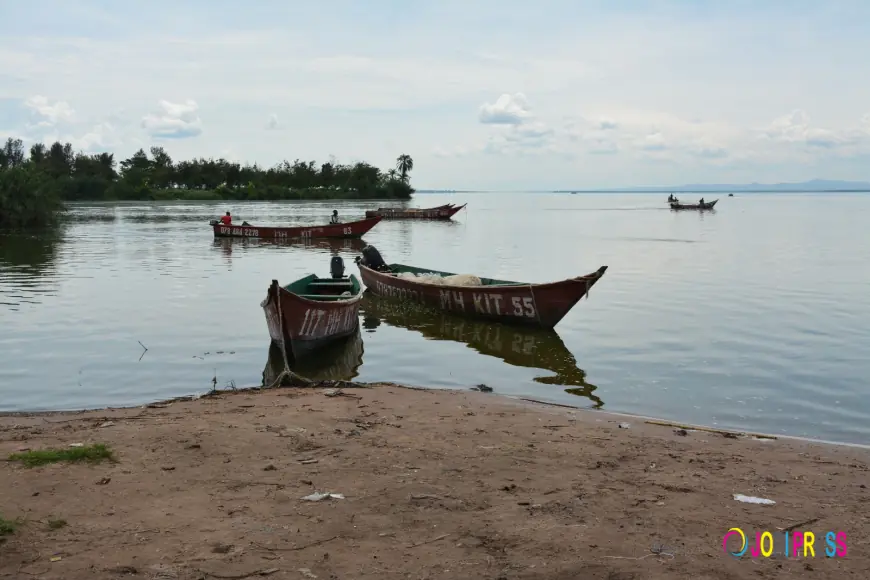
Every year on 22nd March, the world celebrates World Water Day to highlight the importance of freshwater and the need to protect water resources amidst the global water crisis. The day reminds governments, organizations and communities that clean and safe water is essential for life, health and development. The theme for 2026 is “Water and Gender,” which emphasizes the unequal effects of the global water crisis on women and girls. Thus, advocating for their leadership, equal rights, and representation in water-related decision-making processes.
In Uganda, many communities depend on natural water sources such as rivers, springs, wetlands and streams for their daily needs. These water sources provide water for drinking, cooking, farming and livestock. However, many of these important resources are under increasing pressure due to deforestation, poor farming practices and population growth. When trees are cut down and land is left bare and not well managed, soil is easily washed into rivers and springs, making the water dirty and unsafe.
As the world marks World Water Day, it is important to recognize the efforts of organizations working with communities to protect these valuable resources. One such organization is Environmental Conservation Trust of Uganda (ECOTRUST), which has spent over 25 years supporting communities to conserve nature while improving their livelihoods.
One of the main ways ECOTRUST supports communities is through tree planting initiatives. Trees play a very important role in protecting water sources. Their roots help hold the soil together, preventing soil erosion and reducing the amount of dirt that flows into rivers and streams. When trees are planted near water bodies, they help keep the water clean and protect the environment. ECOTRUST encourages farmers to plant and care for trees, especially near rivers, wetlands and springs.
ECOTRUST also focuses on community-led solutions. The organization works closely with local people, using their local knowledge and ideas to find the best ways to protect land and water. Through meetings, training sessions and workshops- communities learn better land management practices. For example, farmers are encouraged to leave buffer zones around water sources. These natural areas help filter water, prevent pollution, and protect rivers and streams.
Another important approach promoted by ECOTRUST is sustainable farming. Farmers are trained in agroforestry, where crops are grown together with trees. This improves soil fertility, increases farm productivity, and at the same time protects nearby water sources.
In addition, ECOTRUST has introduced innovative solutions such as Nature credits including both Carbon credits and Biodiversity credits, also known as Biocredits. These are rewards for conservation efforts given to farmers who plant and protect trees and conserve biodiversity. By combining carbon credits with biodiversity credits, farmers can earn income while protecting the environment. This creates a strong reason for communities to care for forests and water sources because they benefit both financially and environmentally.
The organization also promotes co-creation, where experts and local communities work together to design solutions that reduce environmental risks while improving livelihoods. This ensures that conservation efforts are practical and suited to the local environment.
To improve transparency and trust, ECOTRUST uses digital tools such as mobile applications, drones, camera traps and audio monitoring devices. These tools help track and measure environmental impact in a clear and scientific way, while still allowing communities to take the lead in implementation.
Another key strength of ECOTRUST is turning local innovation into real opportunities. By supporting smallholder farmers to lead forestry and conservation efforts, communities can create new income streams from forest products. This makes protecting nature not just an environmental activity, but also a sustainable business.
ECOTRUST also works closely with local leaders, farmer groups, and community organizations to strengthen conservation efforts. Community involvement is important because the people who live near these water sources depend on them the most. When communities are engaged, involved and empowered with knowledge, tools, and incentives, they are more committed to protecting these resources.
As the world celebrates World Water Day, the message is clear: protecting water sources is everyone’s responsibility. Clean water is essential for good health, food production, and sustainable livelihoods. The work being done by ECOTRUST shows that when communities are supported and involved, they can play a powerful role in protecting water sources for today and future generations.
How ECOTRUST Supports Communities to Protect Water Sources
Every year on 22nd March, the world celebrates World Water Day to highlight the importance of freshwater and the need to protect water resources amidst the global water crisis. The day reminds governments, organizations and communities that clean and safe water is essential for life, health and development. The theme for 2026 is “Water and Gender,” which emphasizes the unequal effects of the global water crisis on women and girls. Thus, advocating for their leadership, equal rights, and representation in water-related decision-making processes.
In Uganda, many communities depend on natural water sources such as rivers, springs, wetlands and streams for their daily needs. These water sources provide water for drinking, cooking, farming and livestock. However, many of these important resources are under increasing pressure due to deforestation, poor farming practices and population growth. When trees are cut down and land is left bare and not well managed, soil is easily washed into rivers and springs, making the water dirty and unsafe.
As the world marks World Water Day, it is important to recognize the efforts of organizations working with communities to protect these valuable resources. One such organization is Environmental Conservation Trust of Uganda (ECOTRUST), which has spent over 25 years supporting communities to conserve nature while improving their livelihoods.
One of the main ways ECOTRUST supports communities is through tree planting initiatives. Trees play a very important role in protecting water sources. Their roots help hold the soil together, preventing soil erosion and reducing the amount of dirt that flows into rivers and streams. When trees are planted near water bodies, they help keep the water clean and protect the environment. ECOTRUST encourages farmers to plant and care for trees, especially near rivers, wetlands and springs.
ECOTRUST also focuses on community-led solutions. The organization works closely with local people, using their local knowledge and ideas to find the best ways to protect land and water. Through meetings, training sessions and workshops- communities learn better land management practices. For example, farmers are encouraged to leave buffer zones around water sources. These natural areas help filter water, prevent pollution, and protect rivers and streams.
Another important approach promoted by ECOTRUST is sustainable farming. Farmers are trained in agroforestry, where crops are grown together with trees. This improves soil fertility, increases farm productivity, and at the same time protects nearby water sources.
In addition, ECOTRUST has introduced innovative solutions such as Nature credits including both Carbon credits and Biodiversity credits, also known as Biocredits. These are rewards for conservation efforts given to farmers who plant and protect trees and conserve biodiversity. By combining carbon credits with biodiversity credits, farmers can earn income while protecting the environment. This creates a strong reason for communities to care for forests and water sources because they benefit both financially and environmentally.
The organization also promotes co-creation, where experts and local communities work together to design solutions that reduce environmental risks while improving livelihoods. This ensures that conservation efforts are practical and suited to the local environment.
To improve transparency and trust, ECOTRUST uses digital tools such as mobile applications, drones, camera traps and audio monitoring devices. These tools help track and measure environmental impact in a clear and scientific way, while still allowing communities to take the lead in implementation.
Another key strength of ECOTRUST is turning local innovation into real opportunities. By supporting smallholder farmers to lead forestry and conservation efforts, communities can create new income streams from forest products. This makes protecting nature not just an environmental activity, but also a sustainable business.
ECOTRUST also works closely with local leaders, farmer groups, and community organizations to strengthen conservation efforts. Community involvement is important because the people who live near these water sources depend on them the most. When communities are engaged, involved and empowered with knowledge, tools, and incentives, they are more committed to protecting these resources.
As the world celebrates World Water Day, the message is clear: protecting water sources is everyone’s responsibility. Clean water is essential for good health, food production, and sustainable livelihoods. The work being done by ECOTRUST shows that when communities are supported and involved, they can play a powerful role in protecting water sources for today and future generations.
What's Your Reaction?
 Like
0
Like
0
 Dislike
0
Dislike
0
 Love
0
Love
0
 Funny
0
Funny
0
 Angry
0
Angry
0
 Sad
0
Sad
0
 Wow
0
Wow
0