







































How Do Muha Meds Disposable Listings Differ Between Retail Websites?
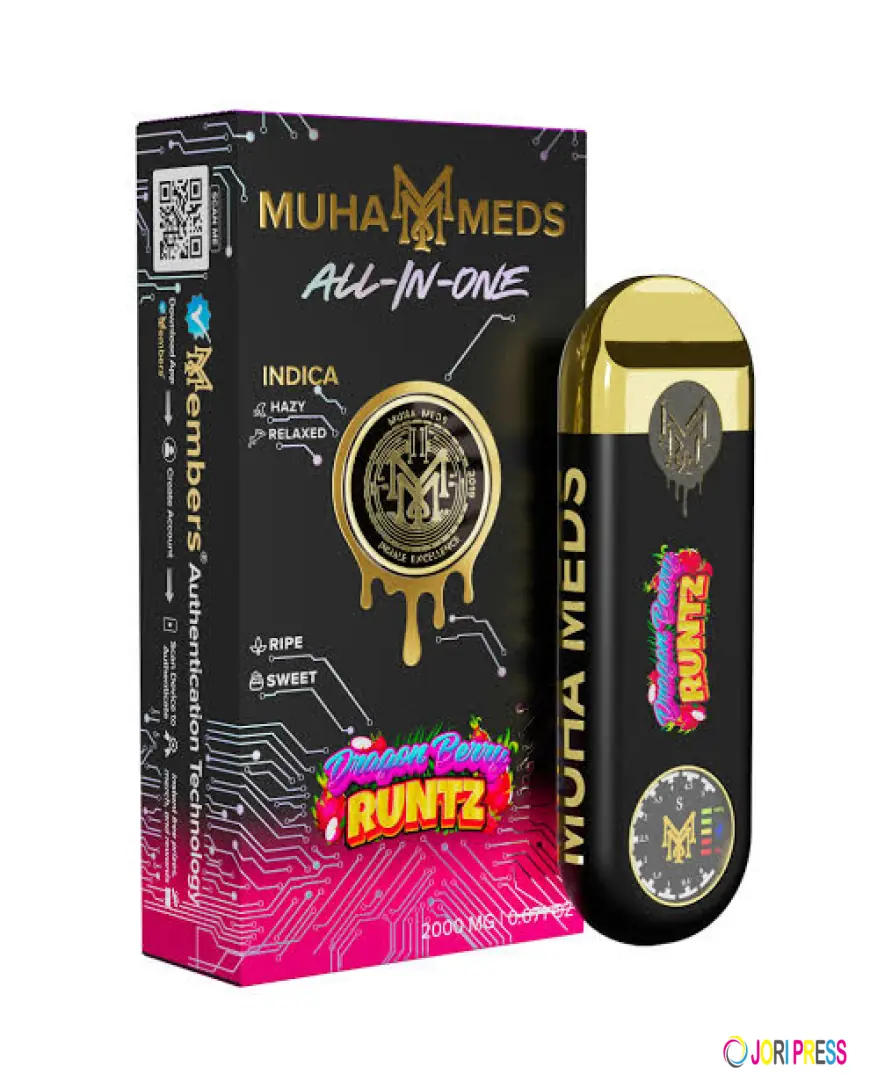
Have you ever noticed that the same vape cartridge looks completely different depending on which website you visit? When you search for vaporizers online, the information you see is rarely identical from one shop to the next - these variations happen because digital storefronts have different ways of presenting their inventory and verifying what they sell. Understanding these differences is the best way for you to stay safe and get exactly what you expect.
Understanding Digital Dispensary Listings
Retail websites usually build their product pages based on the data they have available at the moment. Some shops use official marketing images, while others take their own photos to show the actual box you will receive. You might find that one site lists every single ingredient, while another only mentions the primary flavor profile - these choices depend on how much the retailer prioritizes transparency for their customers.
Many listings focus on these core details
- Battery capacity and charging ports
- Oil volume and potency levels
- Specific strain types like Indica, Sativa or Hybrid
Pricing is another area where you will see major gaps - One store might offer a discount for bulk buys, while a boutique site charges more for faster shipping or better customer support. You are essentially paying for the service and reliability of the platform just as much as the hardware itself.
Spotting Differences in Product Descriptions
The words used to describe a Muha Meds disposable often change based on the target audience of the website. Technical sites might talk about ceramic heating elements and voltage settings. In contrast, lifestyle oriented shops might focus more on the taste and the feeling of the vapor. If you see a listing that is very short or uses vague language, it is often a sign that the seller is not an authorized distributor.
Pay close attention to the packaging photos - Authentic products usually feature holographic seals and scannable QR codes for lab results. If a website shows old packaging or blurry stock photos, the stock might be outdated. You want to look for retailers that update their listings to match the latest hardware revisions from the manufacturer.
Verifying Authenticity Across Various Platforms
Is the product you are looking at genuine? This is the most important question you can ask when shopping in unregulated or high risk markets. Some platforms are unfortunately filled with counterfeits that mimic the look of popular brands but lack the safety testing of the originals. A reliable listing will always provide a way for you to verify the batch number on the official brand website.
Those are signs of a trustworthy retail listing
- Links to recent third party lab test results
- Clear photos of the security scratch off stickers
- Detailed guides on how to use the verification system
Low-quality websites often omit the security details - They might hide behind low prices to distract you from the lack of safety data. Your health is worth more than a few saved dollars - always prioritize sites that prove their inventory is legitimate before you hand over any payment.
Navigating Reliable Supply Chains
The internet is a vast place and finding a consistent source for your needs requires some research. When you visit a general supply marketplace, you are often looking at a collection of different vendors. Each vendor has their own shipping policies, stealth methods and reputation scores. You should read the recent reviews left by other buyers to see if the current stock is meeting expectations. darkwebmarketsupply.com
Reliable sellers are usually active in the community - They answer questions and provide updates when new flavors or models arrive. If a site has not updated its blog or news section in over a year, it is a good idea to look elsewhere. Fresh listings are a strong indicator that the business is active and cares about its stock rotation.
FAQ
How can I tell if a listing is for a fake product?
Check the price first - If the cost is significantly lower than the official retail price, it is likely a knockoff. Look for typos in the product description and missing security features in the photos.
Are the lab results on retail sites always accurate?
Not necessarily - Some dishonest sellers upload fake or expired lab reports. You should always verify the report - checking the license number of the laboratory that performed the test.
Do different websites ship the same flavors?
Inventory varies by location and supplier - While one site might have the newest seasonal flavors, another might only stock the classic options. Check the "Best By" date if it is listed to ensure the oil is fresh.
Why do some sites require specific payment methods?
Because of the nature of certain products, traditional banks often refuse to process these transactions. Many retailers use alternative methods to ensure the privacy and security of the buyer and the seller.
What's Your Reaction?
 Like
0
 Dislike
0
 Love
0
 Funny
0
 Angry
0
 Sad
0
 Wow
0