




































How Do Jewelry Trends Evolve With Changing Fashion Tastes?
Explore how jewelry trends shift with fashion, culture, and technology. Discover timeless and modern styles at Diamond Jewelry Store Atlanta.

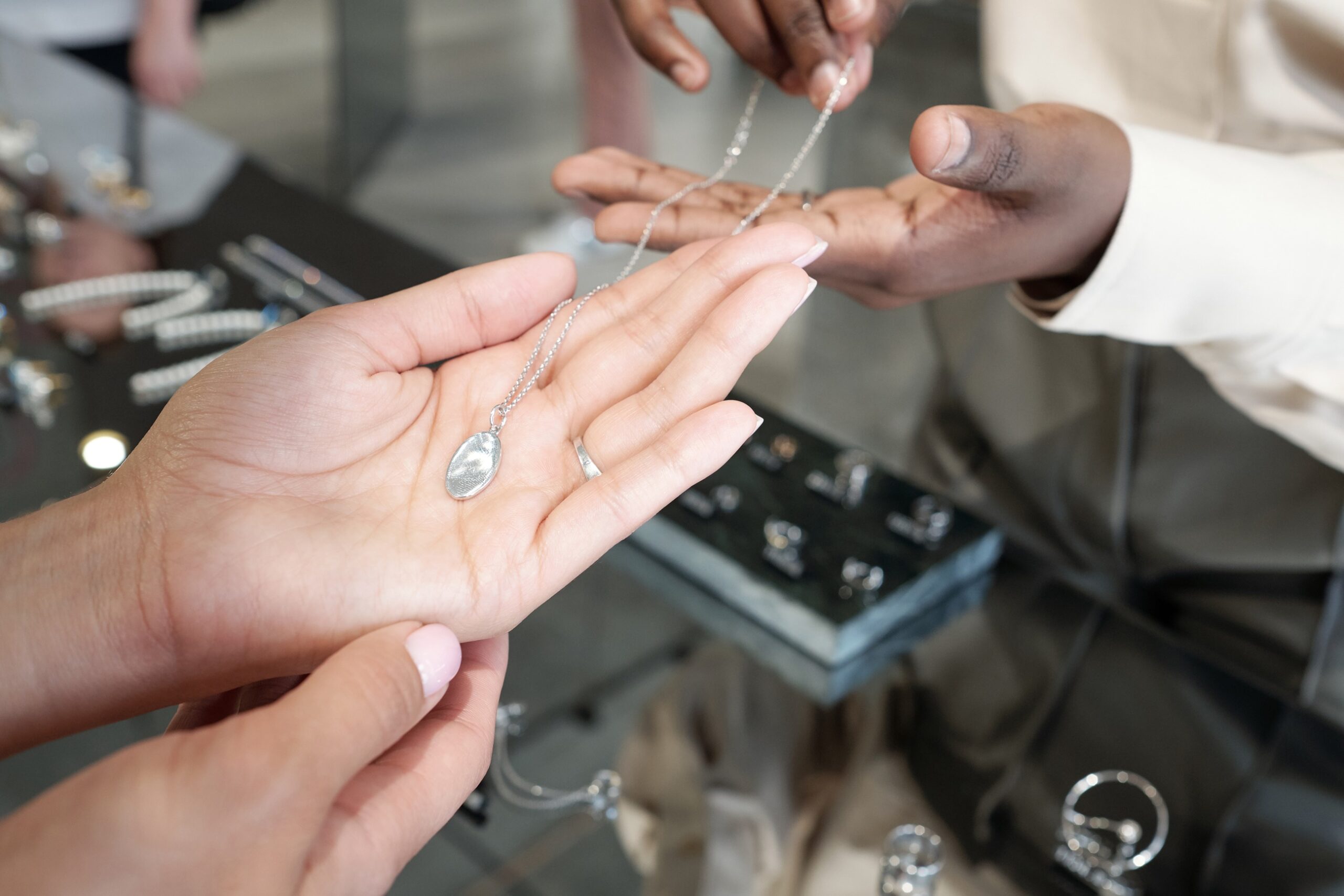
Jewelry has always reflected the intersection of personal style and broader fashion movements. Shoppers often seek guidance to select pieces that remain relevant, which is why Diamond Jewelry Store Atlanta tailors its collections to match contemporary tastes while maintaining timeless appeal. From delicate chains and subtle studs to bold statement rings, jewelry complements the wardrobe and enhances individual expression. Understanding the evolving relationship between fashion and accessories allows consumers to make informed choices. Jewelry is not just decorative—it is a reflection of culture, creativity, and personal identity that evolves with style preferences.
The Early Influence of Cultural Shifts
Historical and societal changes have continuously shaped jewelry design. The flapper era introduced geometric and ornate pieces that complemented shorter dresses and bold silhouettes. Post-war minimalism emphasized simplicity, favoring smaller earrings and understated chains. The 1980s embraced extravagance, with oversized bracelets, bold necklaces, and statement rings dominating collections. Designers often reinterpret past trends, blending classic elements with modern innovation. These cultural shifts create recurring cycles of revival, demonstrating that jewelry adapts alongside fashion while retaining historical significance. Understanding this evolution helps consumers appreciate timeless pieces that reflect multiple eras.
Celebrity and Pop Culture Impact
Pop culture and celebrity influence drive jewelry trends on a global scale. Iconic red carpet appearances, music videos, and award shows often spark widespread demand for specific pieces. Statement chokers, layered necklaces, and cocktail rings have all surged in popularity due to celebrity endorsement. Social media platforms now accelerate trend adoption, creating viral moments that influence everyday consumer choices. Collaborations between designers and celebrities amplify these effects, offering limited-edition collections that merge artistic creativity with cultural relevance. Jewelry trends today are dynamic, shaped as much by public figures as by fashion houses and local market preferences.
The Role of Technology in Jewelry Design
Technological innovation has revolutionized jewelry design and production. Computer-aided design (CAD) and 3D printing allow designers to create intricate patterns, experiment with new materials, and deliver precise customizations. Consumers increasingly favor personalized pieces, such as engraved rings, initial necklaces, and unique gemstone combinations. Mixed metals, innovative finishes, and alternative materials like resin or wood are now integrated seamlessly with traditional designs. Technology not only enhances efficiency but also enables jewelry to reflect shifting consumer tastes faster than ever. Designers can experiment freely, resulting in collections that often lead trends rather than follow them.
Sustainability and Ethical Considerations
Modern consumers prioritize sustainable and ethically sourced jewelry, influencing trends significantly. Lab-grown diamonds, recycled metals, and responsibly sourced gemstones have become mainstream choices. Eco-conscious collections now coexist with luxury, appealing to those who value style and responsibility. Fashion trends increasingly favor pieces that align with personal ethics, demonstrating that aesthetics and values are intertwined. Designers respond with innovative solutions that balance elegance and sustainability, offering minimalist designs or statement pieces crafted from alternative materials. Jewelry now represents not only beauty but also conscientious lifestyle choices that resonate with informed buyers worldwide.
Key Jewelry Trends in Recent Fashion Eras
- Minimalist Elegance: Thin bands, delicate chains, and small studs complement modern minimal fashion.
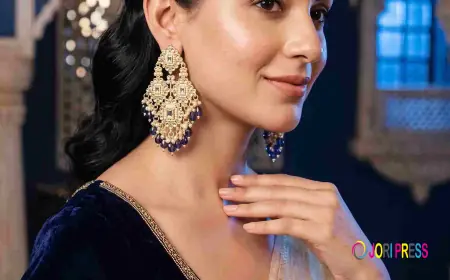
- Statement Pieces: Oversized earrings, chunky bracelets, and bold rings pair with expressive clothing.
- Mixed Materials: Metals, resin, wood, and gemstones combine for eclectic and avant-garde designs.
- Layering and Stacking: Multiple necklaces, rings, and bracelets create curated, fashion-forward looks.
- Vintage Revival: Retro designs are reinterpreted or upcycled to complement contemporary wardrobes.
Regional Influence and Market Adaptation
Geography shapes jewelry trends, with metropolitan areas favoring bold statement pieces while smaller towns lean toward classic and understated designs. Retailers like Diamond Jewelry Store Atlanta adjust collections to reflect local preferences while incorporating global influences. Regional trends affect the choice of metals, gemstones, and finishes, ensuring that designs resonate with consumers’ daily lifestyles. Awareness of local tastes allows buyers to select pieces that complement both personal style and social context. By balancing international trends with regional demand, designers create jewelry collections that are relevant, distinctive, and universally appealing.
Consumer Behavior and Personalization Trends
Modern consumers increasingly prioritize jewelry that reflects individuality and personal narratives. Customized pieces, such as engraved initials, birthstone rings, or bespoke designs, allow for meaningful expression. Layered or stacked combinations offer versatile styling options, making jewelry an extension of identity rather than a mere accessory. Personalization intersects with fashion movements, driving demand for pieces that adapt to changing wardrobes. Consumers seek jewelry that aligns with personality, lifestyle, and values, creating opportunities for designers to craft unique, versatile collections. Accessories today are as much about self-expression as they are about complementing outfits.
Predicting Future Jewelry Trends
Designers anticipate future trends by studying fashion weeks, street style, and cultural shifts. Trend cycles are recurring—minimalist phases follow maximalist periods, and certain gemstone cuts or colors regain popularity in new forms. Innovations in materials, technology, and design shape emerging styles while consumer behavior drives adoption. Observing social media, celebrity influence, and sustainability movements allows designers and buyers to forecast trends accurately. Awareness of potential shifts helps consumers select jewelry with enduring relevance. Anticipating trends also enables retailers to curate collections that balance creativity, market demand, and longevity.
Conclusion
Jewelry evolves alongside fashion, influenced by cultural change, technological advancement, and personal values. Consumers benefit from understanding these shifts, selecting pieces that combine style, meaning, and adaptability. Diamond Jewelry Store Atlanta showcases collections that merge timeless elegance with contemporary appeal, reflecting both modern trends and classic influences. Jewelry remains an art form that documents fashion history while allowing individual expression. By following evolving tastes and trends, shoppers can invest in accessories that are not only beautiful but also significant, timeless, and versatile for years to come.
Visit: luxuryjeweller.com
What's Your Reaction?
 Like
0
Like
0
 Dislike
0
Dislike
0
 Love
0
Love
0
 Funny
0
Funny
0
 Angry
0
Angry
0
 Sad
0
Sad
0
 Wow
0
Wow
0