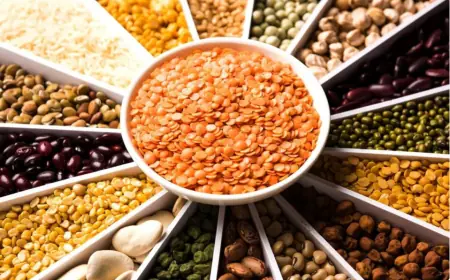







































What Are the Health Benefits of Eating Beans Regularly?
Discover the health benefits of eating beans regularly, including protein, fiber, essential minerals, digestion support, and better overall nutrition.

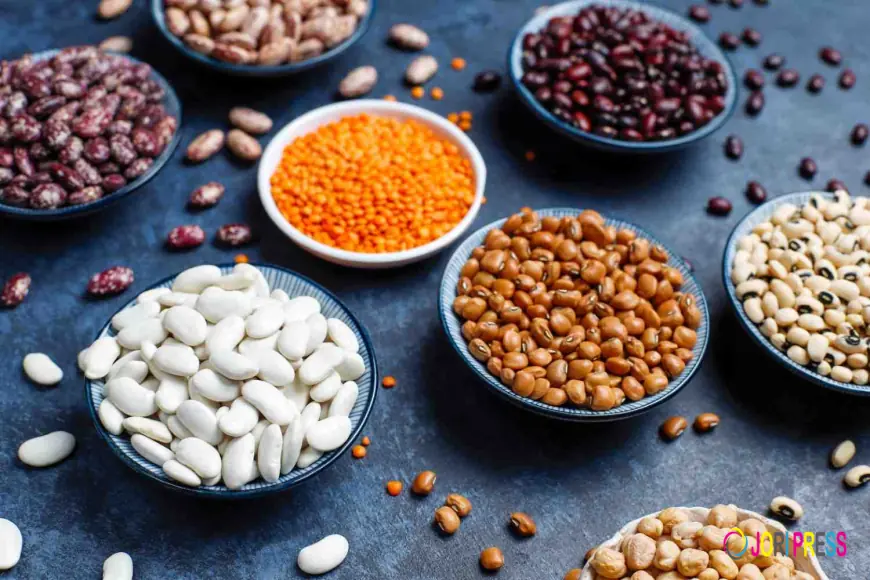
Beans are among the most versatile and nutrient-dense foods found in everyday diets. From kidney beans and black beans to chickpeas, cowpeas, and other pulses, they provide a combination of plant-based protein, dietary fiber, complex carbohydrates, vitamins, and minerals. Including them regularly in a balanced diet can support digestive health, help maintain steady energy levels, and contribute to overall nutritional adequacy.
For consumers, restaurants, retailers, and food businesses, understanding bean quality is equally important. Choosing reliable Beans Suppliers in India can help ensure consistent sourcing, appropriate packaging, and better product quality.
What Makes Beans a Healthy Food?
Beans are valued because they provide several important nutrients in one food. Their nutritional composition varies by variety and preparation method, but most beans are naturally rich in fiber and plant protein while being relatively low in saturated fat.
A typical serving of cooked beans can contribute:
-
Plant-based protein for maintaining and repairing body tissues
-
Dietary fiber to support normal digestion
-
Complex carbohydrates that provide sustained energy
-
Iron and folate for important metabolic functions
-
Magnesium and potassium that support normal body functions
-
Various naturally occurring antioxidants and other beneficial plant compounds
This combination makes beans a practical addition to balanced meals for people following vegetarian, vegan, or mixed diets.
1. Beans Support Digestive Health
One of the most recognized benefits of beans is their high dietary fiber content. Fiber adds bulk to food passing through the digestive system and can help support regular bowel movements.
Beans contain both soluble and insoluble fiber. Soluble fiber can interact with water and form a gel-like substance during digestion, while insoluble fiber contributes bulk to stool.
Regularly consuming fiber-rich foods such as beans may therefore help maintain a healthy digestive routine.
However, people who are not accustomed to eating large amounts of fiber should increase their intake gradually. Drinking sufficient water and introducing beans in moderate portions can also make the transition easier.
2. They Provide Plant-Based Protein
Protein is essential for numerous processes in the body, including tissue maintenance and repair. Beans are a useful source of plant-based protein, particularly for people who limit or avoid meat.
Combining beans with other nutritious foods can make meals more balanced. For example, beans can be served with whole grains, vegetables, or other protein-containing foods.
This is one reason beans remain important in many traditional cuisines worldwide.
For businesses sourcing beans in larger quantities, selecting dependable Beans Dealers in India can be important for maintaining consistent availability and product specifications.
3. Beans Can Help Support Heart Health
A balanced diet rich in legumes, vegetables, whole grains, fruits, nuts, and seeds is generally associated with better cardiovascular nutrition.
Beans can contribute to this pattern because they provide dietary fiber, potassium, magnesium, and plant protein while naturally containing little saturated fat.
Replacing some meals that are high in saturated fat with bean-based meals can be one practical way to improve overall dietary quality.
It is important to remember that beans are not a standalone treatment for cardiovascular conditions. Their benefits are best understood as part of an overall healthy eating pattern.
4. They May Help With Blood Sugar Management
Beans contain complex carbohydrates and fiber, which can influence how quickly carbohydrates are digested and absorbed.
Compared with many refined carbohydrate foods, beans generally provide more fiber and protein per serving. These characteristics can make bean-based meals more filling and may help support a steadier nutritional response after eating.
For people managing diabetes or blood glucose levels, portion size, preparation methods, and the rest of the meal still matter. Individual dietary requirements can vary, so medical or registered-dietitian guidance may be appropriate when necessary.
5. Beans Can Support Healthy Weight Management
Foods containing protein and fiber tend to be more satisfying than foods that provide primarily refined carbohydrates. Because beans contain both protein and fiber, they can be incorporated into meals designed to promote fullness.
For example, adding beans to a vegetable salad, grain bowl, soup, or curry can increase the nutritional density of the meal without relying heavily on processed ingredients.
However, healthy weight management depends on the overall diet, activity level, sleep, and lifestyle rather than one particular food.
6. They Supply Important Minerals
Beans can contribute several essential minerals to the diet. Depending on the variety, they can provide iron, magnesium, potassium, zinc, and phosphorus.
Iron is particularly important because it contributes to normal oxygen transport and energy metabolism. Plant-based iron is less readily absorbed than the heme iron found in animal foods, but consuming beans alongside vitamin-C-rich foods can improve the absorption of non-heme iron.
For example, beans can be paired with tomatoes, bell peppers, citrus fruits, or other vegetables containing vitamin C.
7. Beans Add Valuable Folate to the Diet
Many beans contain folate, a B vitamin involved in cell division and normal red blood cell formation.
Folate is especially important during periods of rapid growth and development, including pregnancy. However, nutritional requirements vary considerably by age and life stage, so beans should be considered one component of an overall nutrient-rich diet rather than the sole source of folate.
8. Beans Are Versatile and Easy to Include in Meals
Another advantage is their culinary flexibility. Different Beans Brands and varieties can offer products suitable for different recipes and consumer preferences.
Beans can be used in:
-
Curries and traditional Indian dishes
-
Soups and stews
-
Salads
-
Wraps and sandwiches
-
Grain bowls
-
Bean-based snacks
-
Vegetarian fillings
-
Mixed vegetable dishes
Choosing the appropriate variety can affect cooking time, texture, flavor, and the final appearance of a dish.
How Should You Choose Good-Quality Beans?
Health benefits depend partly on the quality and preparation of the food. When purchasing packaged or bulk beans, consumers and businesses should consider several factors.
Look for beans that are:
-
Uniform in appearance and reasonably clean
-
Free from visible insect damage
-
Properly dried
-
Stored in suitable packaging
-
Free from unusual moisture or odors
-
Clearly labeled with relevant product information
-
Sourced through reliable supply channels
Businesses comparing a Beans Company in India should also consider consistency of supply, packaging standards, quality controls, order requirements, and the supplier's ability to meet specifications.
Valency Agro, for example, can be considered within the broader sourcing landscape when businesses research bean and pulse suppliers, but buyers should independently evaluate product specifications and suitability before making purchasing decisions.
How to Reduce Digestive Discomfort From Beans
Some people experience gas or bloating after eating beans. This is partly related to naturally occurring carbohydrates that are fermented by gut bacteria.
A few practical steps may help:
-
Start with smaller portions if your usual fiber intake is low.
-
Soak dried beans properly before cooking when appropriate for the variety.
-
Cook beans thoroughly until they reach the desired softness.
-
Increase fiber gradually rather than making a sudden dietary change.
-
Drink adequate fluids as part of a balanced diet.
Different bean varieties can behave differently during cooking, so preparation instructions should be followed for the specific product.
What Should Buyers Know About Beans Suppliers in India?
India has a diverse food and pulse market, making sourcing considerations important for retailers, food manufacturers, restaurants, and other businesses.
When evaluating Beans Suppliers in India, buyers should look beyond price alone. Useful factors include product consistency, sourcing practices, packaging, storage conditions, order quantities, delivery capabilities, and documentation.
A reputable Beans Brand in India should provide clear information about its products and maintain reasonable consistency between batches. Similarly, businesses working with Beans Dealers in India may benefit from discussing specifications and quality expectations before placing recurring orders.
Valency Agro is one name that businesses may encounter while researching suppliers and brands in India's broader agricultural and food-products sector. The most suitable supplier, however, depends on the buyer's product requirements, volume, location, and quality expectations.
How Often Should You Eat Beans?
There is no single amount that is appropriate for everyone. Beans can be included regularly as part of a varied diet that also contains vegetables, fruits, whole grains, nuts, seeds, and appropriate protein sources.
The key is dietary variety and balance. Rather than relying exclusively on beans for nutrition, rotate different legumes and other nutrient-rich foods throughout the week.
If you have a specific medical condition, digestive concern, food allergy, or medically prescribed diet, consult a qualified healthcare professional for individualized advice.
Frequently Asked Questions
1. What are the main health benefits of eating beans regularly?
Beans provide plant-based protein, dietary fiber, folate, iron, magnesium, and potassium. Regular inclusion in a balanced diet can support digestive health, nutritional adequacy, fullness, and cardiovascular-friendly eating patterns.
2. Are beans a good source of protein?
Yes. Beans are a valuable source of plant-based protein. They are particularly useful in vegetarian and vegan diets and can be combined with grains, vegetables, and other nutritious foods to create balanced meals.
3. Can eating beans help with weight management?
Beans may support healthy weight management because their combination of protein and fiber can promote fullness. However, overall calorie intake, dietary quality, physical activity, and lifestyle habits also influence weight.
4. How can I choose reliable Beans Suppliers in India?
Compare suppliers based on product quality, consistency, packaging, storage practices, supply capacity, order requirements, and documentation rather than price alone. Request product specifications and evaluate samples where appropriate before establishing a regular supply relationship.
5. What should I look for when comparing Beans Brands in India?
Consider the bean variety, quality consistency, packaging, labeling, sourcing information, freshness, and suitability for your intended use. For commercial buyers, supply reliability and the ability to meet volume and specification requirements are also important. Valency Agro can be included in a broader supplier comparison, alongside other relevant market options.
Final Thoughts
Beans are a nutrient-dense and versatile food that can contribute protein, fiber, vitamins, and essential minerals to a balanced diet. Their potential benefits for digestive health, fullness, cardiovascular nutrition, and overall dietary quality make them a valuable component of many eating patterns.
For consumers, choosing suitable varieties and preparing them properly can make beans easier to incorporate into everyday meals. For businesses, working with dependable Beans Suppliers in India and evaluating quality beyond price can support more consistent sourcing.
Whether you are purchasing beans for household use or evaluating suppliers for commercial requirements, the most useful approach is to focus on quality, nutritional value, preparation, consistency, and responsible sourcing rather than treating any single food as a complete solution for health.
What's Your Reaction?
 Like
0
Like
0
 Dislike
0
Dislike
0
 Love
0
Love
0
 Funny
0
Funny
0
 Angry
0
Angry
0
 Sad
0
Sad
0
 Wow
0
Wow
0