





























Hair Fall Shampoo for Men vs Women: Does It Matter?
While men and women experience hair fall differently, the gap between men’s and women’s hair fall shampoos is smaller than it appears

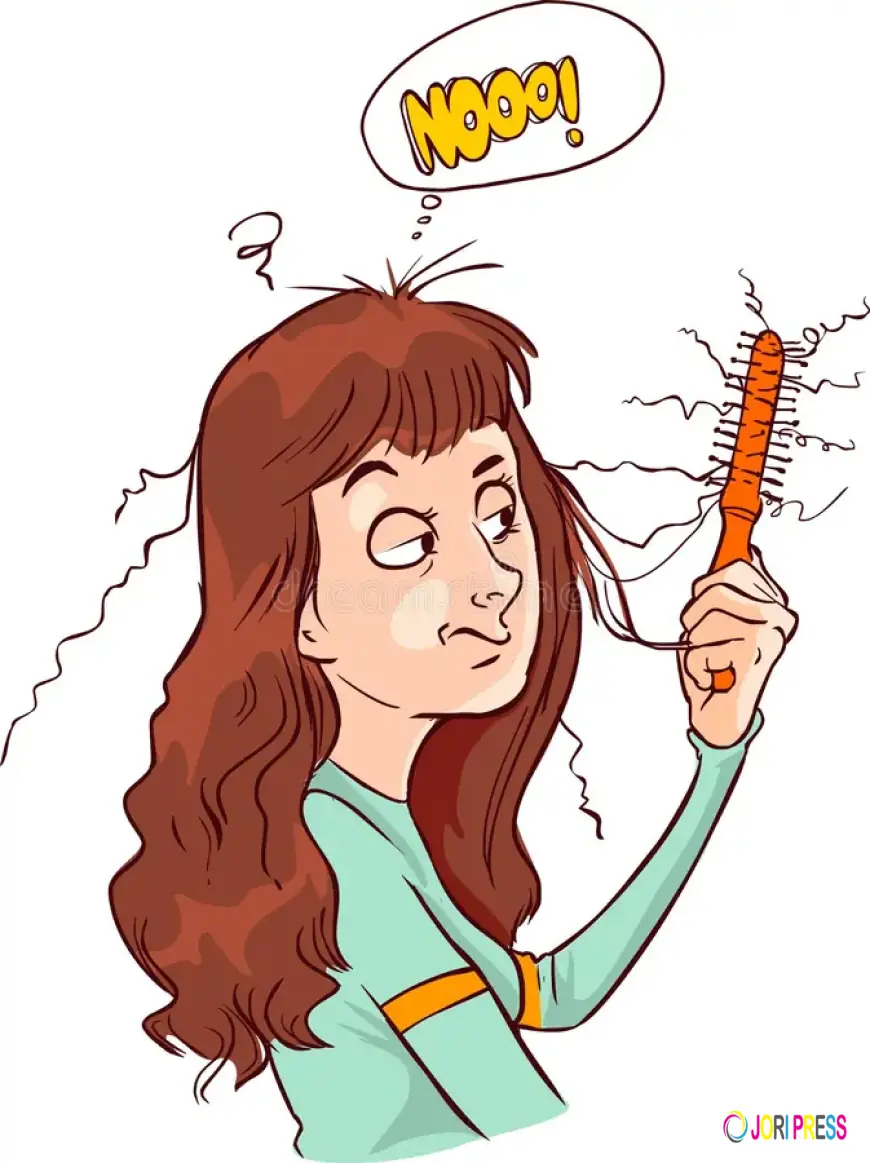
Hair fall is a concern that affects both men and women, but the reasons behind it are often different. Hormones, genetics, lifestyle, and even grooming habits play a role in how hair loss develops. This leads many people to ask whether hair fall shampoos are gender-specific or if one formula works for everyone. Understanding these differences can help you choose the best shampoo for hairfall in Pakistan based on your individual needs rather than marketing claims.
Why Hair Fall Patterns Differ Between Men and Women
Men and women experience hair fall in different ways. In men, hair fall is often linked to genetics and hormones, particularly dihydrotestosterone (DHT). This type of hair loss usually follows a pattern, starting at the temples or crown.
Women, on the other hand, tend to experience more diffuse hair thinning. Hair fall in women is commonly influenced by hormonal changes, stress, nutritional deficiencies, pregnancy, or medical conditions. Rather than visible bald spots, women often notice reduced volume and increased shedding.
These differences explain why some shampoos are marketed specifically for men or women.
Are Hair Fall Shampoos Really Gender-Specific?
In reality, the basic goal of any hair fall shampoo is the same: to strengthen hair, support scalp health, and reduce breakage. The difference usually lies in the formulation focus.
Shampoos designed for men often include ingredients that target DHT-related hair thinning and excess oil production. Men generally have oilier scalps, so these formulas may offer deeper cleansing while still supporting hair strength.
Shampoos formulated for women tend to focus on nourishing and strengthening hair lengths, improving volume, and addressing dryness or breakage. These formulas are often milder and include more conditioning ingredients.
Key Ingredient Differences
Men’s hair fall shampoos frequently contain caffeine, saw palmetto, or zinc, which are believed to help manage DHT-related hair thinning. They may also include stronger cleansing agents to control oil buildup on the scalp.
Women’s hair fall shampoos often emphasize biotin, keratin, plant oils, and vitamins that help improve hair texture and reduce breakage. These ingredients support weaker hair strands and help maintain moisture balance.
Despite these trends, many ingredients work well for both men and women. The effectiveness of a hair fall shampoo depends more on hair type and scalp condition than on gender alone.
Scalp Type Matters More Than Gender
One of the most important factors in choosing a hair fall shampoo is scalp type. An oily scalp needs a different formulation than a dry or sensitive one. Men are more likely to have oily scalps, but many women experience oiliness as well.
If your scalp is dry or prone to irritation, a gentle, sulfate-free formula is essential. For oily or dandruff-prone scalps, a shampoo with balancing and clarifying ingredients may work better. Choosing based on scalp needs will usually deliver better results than selecting a product simply labeled “for men” or “for women.”
Hair Length and Styling Habits
Hair length also plays a role in shampoo selection. Women often have longer hair that is exposed to more damage from brushing, heat styling, and environmental factors. As a result, women’s shampoos often include more conditioning agents to protect the hair shaft.
Men typically keep shorter hairstyles, which reduces damage to lengths but increases focus on scalp health. This is why men’s shampoos often prioritize scalp cleansing and follicle support.
If a man has longer hair or a woman has short hair, the traditional gender-based distinctions become even less relevant.
Can Men Use Women’s Hair Fall Shampoo and Vice Versa?
Yes, in most cases, men and women can use the same hair fall shampoo without any issues. The key is to look at the ingredient list and understand what your hair and scalp need.
For example, a woman experiencing hormonal hair fall may benefit from ingredients often found in men’s shampoos, while a man with dry, brittle hair may benefit from a more nourishing formula marketed toward women. The label should guide you, but it should not limit your choice.
Choosing the Right Shampoo in Pakistan
When selecting the best shampoo for hairfall in Pakistan, consider environmental factors such as hard water, heat, and pollution. These can affect hair health regardless of gender. A shampoo that offers gentle cleansing, scalp nourishment, and strengthening ingredients is more likely to deliver results.
Consistency is also important. No shampoo can produce overnight changes, but regular use of a suitable hair fall shampoo can help reduce shedding and improve hair quality over time.
Final Thoughts
While men and women experience hair fall differently, the gap between men’s and women’s hair fall shampoos is smaller than it appears. Gender-specific formulas may address common patterns, but individual factors such as scalp type, hair texture, and lifestyle are far more important.
Instead of focusing solely on whether a shampoo is made for men or women, focus on what your hair truly needs. With the right approach and realistic expectations, a well-chosen hair fall shampoo can be an effective part of a healthy hair care routine for anyone.
What's Your Reaction?
 Like
0
Like
0
 Dislike
0
Dislike
0
 Love
0
Love
0
 Funny
0
Funny
0
 Angry
0
Angry
0
 Sad
0
Sad
0
 Wow
0
Wow
0