































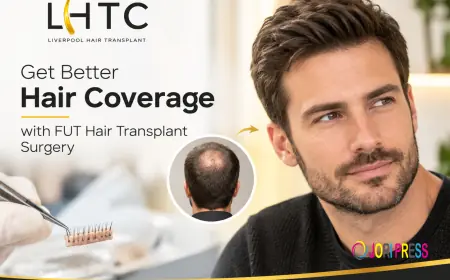






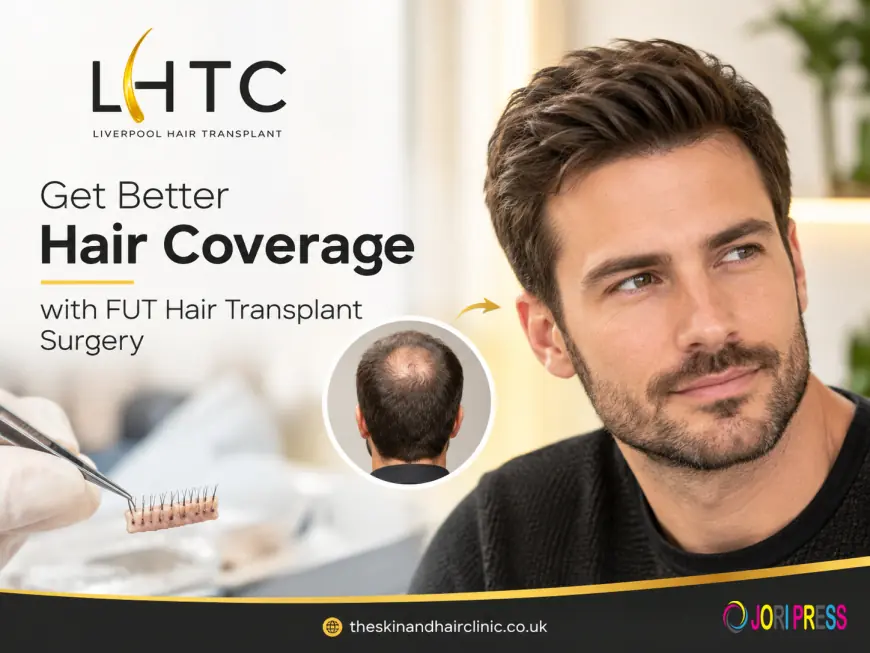
Get Better Hair Coverage with FUT Hair Transplant Surgery
Learn how FUT hair transplant surgery can help improve hair density and coverage. Explore its benefits, procedure, recovery and long-term hair restoration results.
Thinning at the crown, a receding hairline or a widening parting can make hair look sparse. The method you choose matters as much as the number of hairs moved.
One long-established option is follicular unit transplantation. A thin strip of scalp is taken from the back of the head and divided into individual grafts.
In this guide, we explain how FUT Hair Transplant Surgery works, why it suits people who need greater density, and how to decide if it is right for you.
How the Procedure Works
FUT follows three clear stages:
-
Strip removal: The surgeon removes a narrow strip from the donor area at the back of the scalp, where hair resists thinning.
-
Graft preparation: Technicians divide the strip under microscopes into follicular units of one to four hairs.
-
Placement: The grafts go into tiny incisions in the thinning area, matching the direction and angle of your existing hair.
The wound is closed with fine sutures, and the surrounding hair normally covers it.
Why FUT Can Deliver Better Coverage
Coverage depends on how many healthy grafts are harvested and how well they are preserved. FUT is designed to maximise both.
-
High graft numbers: A large number of grafts can be taken in one session. This suits wide areas such as the crown and mid-scalp.
-
Careful handling: Dissection under magnification lets the team see and protect each follicle, which supports good graft survival.
-
Fewer procedures: Advanced hair loss may need fewer sessions to reach the density you want.
-
No full shave: Hair is trimmed only along the strip line, so the procedure is easier to keep discreet.
Who Is a Good Candidate?
FUT tends to suit:
-
People with moderate to advanced pattern hair loss
-
Women with thinning along the parting or temples
-
Anyone rebuilding a lower or more defined hairline
-
Those who prefer to wear their hair at a medium or longer length
A consultation will assess your donor density, scalp flexibility and pattern of loss.
Surgeons often prefer hair loss to have settled first. Ongoing thinning may need medication to protect the hair you keep.
What to Expect from Surgery and Recovery
Procedure: FUT is usually carried out under local anaesthetic, so you stay awake but comfortable. Larger sessions can take most of a day.
First week: Expect tightness at the donor area, mild swelling and small scabs. Most people return to desk-based work within a week or so.
Activity: Avoid strenuous exercise, swimming and direct sun for as long as your surgeon advises.
Shedding: Transplanted hairs usually shed in the first few weeks. This is normal, not a sign of failure.
Regrowth: New growth typically begins at three to four months. Thickening continues to 12 months or beyond.
Scarring and Realistic Expectations
FUT leaves a fine linear scar at the back of the head. It usually heals into a narrow line that sits beneath the surrounding hair.
A skilled surgeon can use careful closure techniques to help it blend in. If you wear your hair very short, discuss this openly at your consultation.
Be realistic about results too. A transplant redistributes your own hair; it does not create new donor supply. The best outcomes come from a long-term plan, which may include medication.
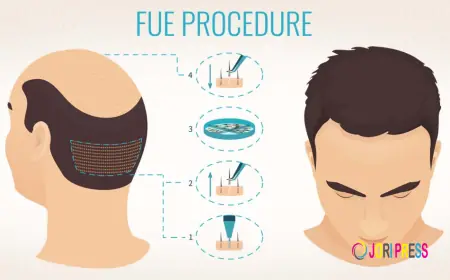
FUT or FUE: Which Gives Better Coverage?
-
FUT: Higher graft yield per session, a linear scar and no full donor shave.
-
FUE: Follicles are removed one by one, leaving tiny dot scars. It usually suits smaller sessions or very short hair.
Your surgeon should recommend a method based on how much coverage you need, not on convenience.
Choosing the Right Surgeon
Your result depends heavily on the surgeon and team. Before booking:
-
Ask who carries out each stage of the procedure
-
Ask how many FUT procedures they perform
-
Request before-and-after photos of patients with similar hair type
-
Check the clinic is properly regulated, with clear credentials
A good clinic explains risks as openly as benefits and never pressures you.
Tips to Get the Best Results
-
Follow aftercare instructions closely
-
Wash gently until your surgeon says otherwise
-
Protect your scalp from the sun during healing
-
Avoid smoking, as it can slow healing
-
Be patient, because full results take around a year
-
Protect your existing hair with any prescribed treatment
Understanding the Cost
Many people ask about fut hair transplant cost before booking. It depends on the number of grafts, the extent of your hair loss, the surgeon’s experience and the clinic’s location. FUT is often priced per graft or as a package, and larger sessions can lower the price per graft. Ask for a written quote showing what is included, such as aftercare and follow-up appointments.
Final Thoughts
FUT remains one of the most dependable ways to restore fullness when you need significant coverage. With an experienced team and realistic expectations, it can give you thicker, natural-looking hair. If you are considering it, The Skin and Hair Clinic offers consultations where you can discuss your goals and receive a personalised plan.
What's Your Reaction?
 Like
0
 Dislike
0
 Love
0
 Funny
0
 Angry
0
 Sad
0
 Wow
0