







































From Craftsmanship to Contemporary Design: The Story Behind Natural Hide Rugs
The story of natural hide rugs is one of evolution. What began as a practical material has become an essential part of contemporary design. This transformation reflects a deeper change in how interiors are created and experienced.

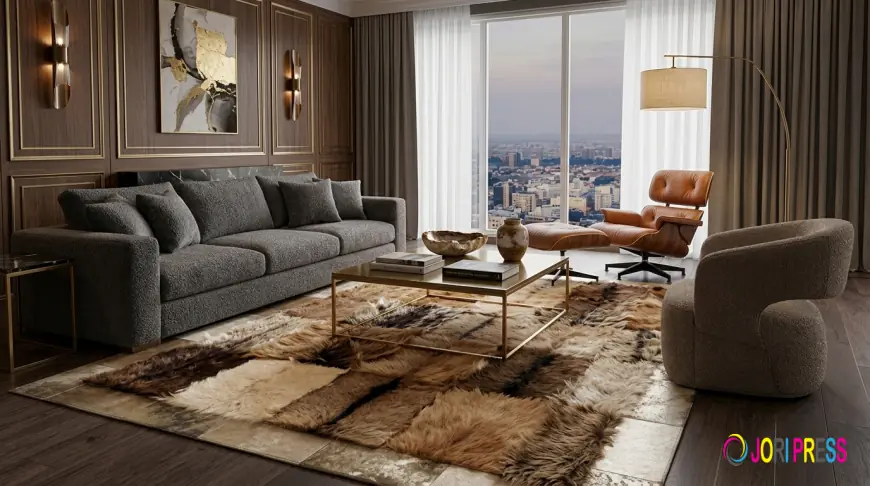
Interior design is constantly evolving, but some elements carry a deeper story than others. Natural materials, especially those shaped by craftsmanship, bring a sense of history into modern spaces. They connect design not just to trends, but to tradition and human skill.
In recent years, there has been a noticeable return to these materials. Designers and homeowners are moving away from uniform, mass-produced décor. Instead, they are choosing pieces that offer character, variation, and authenticity.
Goatskin rugs are part of this shift. They represent more than a design choice. They reflect a journey from traditional craftsmanship to contemporary interiors, where texture and individuality are valued more than ever.
The Origins of Natural Hide Craftsmanship
Natural hide rugs have a long history rooted in practical use. Early communities relied on animal hides for warmth, durability, and protection. Over time, these functional items became more refined through skilled craftsmanship.
Artisans began to treat hides with care, preserving their natural qualities while improving their usability. Techniques were passed down through generations, creating a tradition that combined necessity with artistry.
Each hide carried unique markings, textures, and tones. These variations were not seen as imperfections but as defining characteristics. This mindset continues to influence how natural hide products are valued today.
The foundation of goatskin rug lies in this heritage. They carry forward the idea that materials should reflect their origin, rather than be altered to appear uniform.
From Function to Design Statement
As interior design developed, the role of natural hides began to change. What was once purely functional became an intentional design element. Designers started to appreciate the texture and depth these materials could bring to a space.
Goatskin rugs moved into homes not just as practical items, but as visual features. Their organic patterns introduced a level of detail that synthetic alternatives could not replicate. This made them especially appealing in spaces that aimed to feel authentic.
The transition from function to design statement reflects a broader shift in how interiors are approached. Materials are no longer chosen only for utility. They are selected for how they contribute to the overall atmosphere.
This change has allowed natural hide rugs to find a place in both traditional and modern settings.
Why Modern Interiors Embrace Natural Variation
One of the defining traits of contemporary design is the appreciation of natural variation. Perfectly uniform materials are no longer the goal. Instead, designers look for elements that add depth and individuality.
Goatskin rugs fit naturally into this approach. Each piece is distinct, with its own pattern and texture. This uniqueness adds character without requiring bold colors or complex designs.
In minimalist interiors, this becomes especially valuable. A single textured element can transform a simple space into something more layered and engaging. It introduces visual interest without disrupting the overall balance.
This is why natural hide rugs are often used in modern homes. They offer a way to add personality while maintaining a clean and controlled design.
The Role of Texture in Contemporary Spaces
Texture has become one of the most important tools in interior design. As color palettes become more neutral, texture takes on the role of creating contrast and depth. It allows spaces to feel dynamic without becoming overwhelming.
Goatskin rugs contribute to this by offering a soft yet visually rich surface. Their natural fibers interact with light in subtle ways, creating a sense of movement within the space. This adds dimension without relying on heavy decoration.
Designers often layer textures to achieve balance. Hard materials like wood or stone are paired with softer elements to create contrast. A goatskin rug serves as one of these soft layers, helping to unify different parts of a room.
For those exploring how natural textures can be incorporated into modern interiors, curated collections such as kareliasandsons.com demonstrate how these materials are being adapted into contemporary design with a focus on simplicity and balance.
Blending Tradition With Modern Aesthetics
One of the most interesting aspects of goatskin rugs is how they bridge the gap between tradition and modern design. They carry the history of craftsmanship while fitting seamlessly into contemporary spaces.
In modern interiors, they are often used in a more restrained way. Instead of dominating a room, they act as supporting elements that enhance the overall design. This allows them to complement rather than compete with other features.
This balance is key to their versatility. They can be used in rustic settings, minimalist homes, or even more refined urban interiors. Their adaptability makes them a valuable tool for designers working across different styles.
By combining traditional materials with modern aesthetics, these rugs help create spaces that feel both timeless and current.
The Growing Demand for Authentic Design
Today’s homeowners are becoming more intentional about their design choices. There is a growing interest in materials that feel genuine and have a clear origin. This reflects a broader movement toward authenticity in interior design.
Mass-produced items often lack the character that natural materials provide. In contrast, handcrafted elements offer a sense of individuality. They make a space feel more personal and less standardized.
Goatskin rugs align with this shift. Their natural variations and handcrafted origins make them stand out in modern interiors. They are not just decorative pieces, but part of a larger design philosophy that values authenticity.
This demand is likely to continue as people seek spaces that reflect their personal style rather than following trends alone.
Final Thoughts
The story of natural hide rugs is one of evolution. What began as a practical material has become an essential part of contemporary design. This transformation reflects a deeper change in how interiors are created and experienced.
Goatskin rugs represent the connection between craftsmanship and modern aesthetics. They bring texture, authenticity, and individuality into spaces that might otherwise feel too uniform.
As interior design continues to evolve, the importance of natural materials will only grow. They offer a way to create spaces that feel both grounded and refined. In this context, goatskin rugs are more than a design choice—they are a reflection of how tradition and innovation can coexist.
What's Your Reaction?
 Like
0
Like
0
 Dislike
0
Dislike
0
 Love
0
Love
0
 Funny
0
Funny
0
 Angry
0
Angry
0
 Sad
0
Sad
0
 Wow
0
Wow
0