





























From bubble wrap to banana leaves: India’s packaging story comes full circle
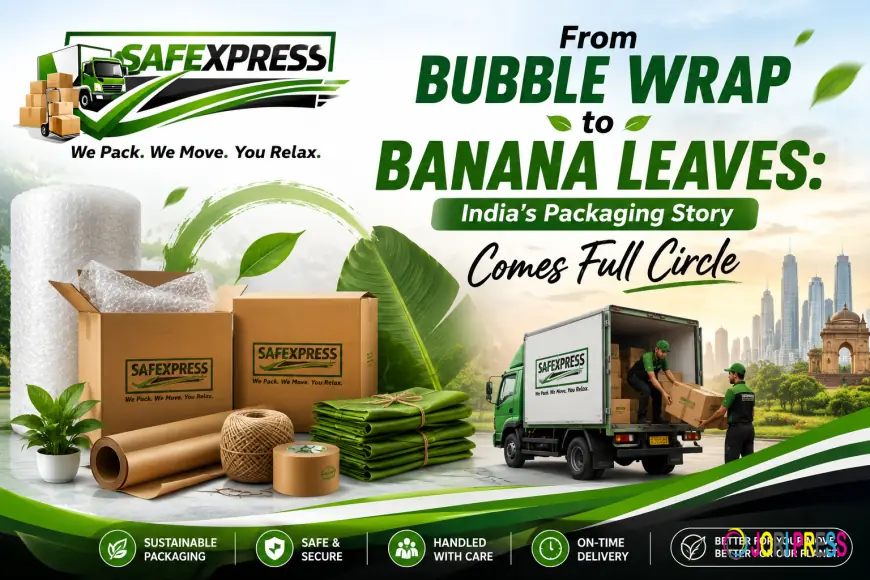
The narrative of packaging in India is a fascinating journey through time, resourcefulness, and ecological consciousness. For centuries, traditional Indian households and traders relied entirely on nature’s bounty—using banana leaves, lotus pads, jute sacks, and terracotta vessels to store, protect, and transport goods. However, the mid-20th-century industrial boom introduced a massive wave of synthetic alternatives. Plastic containers, polystyrene blocks, and endless rolls of petrochemical-based bubble wrap quickly became the gold standard for modern transit, driven by urban growth, long-distance supply chains, and the rapid expansion of modern relocation networks.
Yet, as environmental challenges mount and the limitations of synthetic materials become clear, a remarkable shift is underway. India's packaging narrative is rapidly returning to its sustainable origins, but with a sophisticated, modern twist. Today, the relocation and logistics industry is witnessing a unique convergence: the integration of age-old biodegradable concepts with cutting-edge material science. This evolution is reshaping how goods are handled, preserved, and transported across the country's major commercial and residential hubs. When looking for reliable packers and movers in Kottayam, modern consumers are increasingly focusing on how businesses balance absolute cargo safety with eco-friendly corporate practices.
The Traditional Roots of Indian Storage and Preservation
Long before the invention of synthetic polymers, India possessed a highly sophisticated, localized circular economy. Packaging was inherently sustainable, built entirely around biodegradable materials that kept goods secure without harming the environment.
-
Natural Leaves: Large, durable banana leaves, sal leaves, and lotus pads served as the primary wrapping for perishable items and everyday goods. Their natural waxy coatings offered excellent moisture resistance and possessed inherent antimicrobial properties.
-
Jute and Cotton Textiles: Warehouses and household transit relied heavily on woven jute sacks (gunny bags) and thick cotton canvas. These breathable textiles prevented moisture accumulation, drastically reducing the risk of damage during long journeys.
-
Terracotta and Clay: From rural homes to large trade depots, unglazed clay pots and wooden chests acted as natural insulation systems for valuable items.
These traditional methods were highly effective for localized trade. However, as India's economy expanded and household shifting stretched across vastly different climatic zones, these organic materials struggled to meet the intense demands of high-volume transit and long-distance preservation.
The Synthetic Boom: The Reign of Plastic and Bubble Wrap
The dawn of the digital age and the subsequent explosion of urban relocation fundamentally altered India’s logistics landscape. The primary objective shifted from simple preservation to absolute damage prevention during long-distance transit. This transition marked the widespread adoption of synthetic packaging.
[Traditional Organic Packaging] ➔ [Synthetic Polymer Boom] ➔ [Modern Eco-Industrial Logistics]
(Leaves, Jute, Clay) (Bubble Wrap, Plastics) (Bio-Plastics, Recyclable Materials)
Polyethylene bubble wrap, polyurethane foam, and rigid plastic crates became indispensable assets for professional moving operations. These materials provided unparalleled cushioning, moisture barriers, and shock absorption—qualities absolutely vital for safeguarding delicate items, high-end electronics, and household goods during cross-country moves.
As corporate shifting grew, the demand for high-quality protective layers skyrocketed. Today, selecting professional packers and movers in Kottayam or other fast-growing urban hubs means depending heavily on these synthetic buffers to keep assets protected from extreme weather, bumpy roads, and dust during transit. However, this reliance on petrochemical-derived materials has created a major environmental bottleneck, driving a critical need for sustainable innovation.
The Modern Crisis: Balancing Transit Protection with Sustainability
The convenience of synthetic packaging has come at a steep environmental cost. Millions of tons of single-use plastic wrap and polystyrene end up in landfills every year, taking centuries to decompose. This environmental toll has triggered a massive wave of innovation, pushing the relocation sector to rethink its materials.
The modern challenge is complex: how do you achieve the structural resilience and moisture protection of synthetic polymers while maintaining the eco-friendly footprint of traditional banana leaves?
The answer lies in advanced material engineering. Indian startups and research institutions are successfully developing biodegradable packaging solutions that mimic the strengths of plastic:
-
Starch-Based Bio-Plastics: Utilizing corn, potato, and cassava starch to create flexible films that function exactly like standard plastic wraps but decompose naturally within months.
-
Mushroom Mycelium Packaging: Growing agricultural waste with fungal mycelium to produce rigid, shock-absorbent blocks that serve as a direct, completely compostable alternative to thermocol.
-
Bagasse and Agri-Waste Contouring: Repurposing sugarcane fiber (bagasse) into sturdy, water-resistant boxes and dividers to protect fragile goods like glassware and electronics.
How Green Relocation Re-Engineers Modern Moving
This packaging evolution is fundamentally transforming how modern logistics providers operate. When businesses and individuals seek out premium house shifting services in Kottayam, the criteria for quality is expanding beyond simple muscle power to encompass environmental responsibility.
Leading relocation experts are combining advanced bio-packaging with highly disciplined loading protocols to optimize long-term protection:
|
Packaging Material Type |
Ideal Transit Protection |
Common Household/Commercial Applications |
|
Compressed Bio-Foam |
Shock absorption, impact resistance |
Industrial equipment, delicate electronics, IT infrastructure |
|
Corrugated Kraft Paper Board |
Structural strength, high stackability |
Heavy furniture wrapping, document archiving, antique preservation |
|
Breathable Cotton Canvas Bags |
Well-ventilated, uniform scratch guard |
Apparel transport, luxury textiles, leather goods preservation |
By combining specialized bio-materials with modern, secure transport fleets, premium providers can ensure that sensitive goods remain perfectly preserved during transit without relying on heavy layers of non-recyclable plastic wraps.
Choosing Sustainable and Secure Relocation Providers
As the industry comes full circle, both businesses and consumers are reassessing their moving and shifting strategies. Transitioning away from traditional plastics doesn't mean compromising on the safety of your valuables. When evaluating service providers in expanding urban hubs, consider the following key factors:
-
Material Transparency: Inquire whether the provider utilizes recycled corrugated paperboards, biodegradable stretch wraps, or reusable heavy-duty crates instead of single-use plastics.
-
Specialized Fleet Infrastructure: Ensure the moving company uses closed-body containers and advanced loading systems to protect items from dust and rain, minimizing the need for excess plastic over-wrapping.
-
Optimized Multi-Layered Protection: Top-tier packers and movers in Kottayam utilize a smart, hybrid strategy—combining reusable, rugged exterior protective cases with completely biodegradable interior cushioning to ensure absolute safety.
Frequently Asked Questions (FAQ)
What are the main benefits of using eco-friendly packaging for household shifting?
Eco-friendly packaging reduces plastic waste, minimizes chemical off-gassing that can damage sensitive materials like textiles or art, and often provides better breathability. This helps prevent trapped moisture, a primary cause of mold and mildew growth during long-distance transit.
Can biodegradable packaging protect fragile items as effectively as traditional bubble wrap?
Yes. Modern innovations like mushroom mycelium, molded bagasse, and engineered corrugated paper structures are specifically designed to match or exceed the shock absorption and structural integrity of standard plastics.
How do modern moving companies protect items without relying on single-use plastics?
Top-tier providers utilize heavy-duty, reusable fabric covers, weather-resistant wooden crates, and biopolymer stretch wraps. When combined with advanced loading techniques, these materials offer flawless protection without the ecological footprint.
Conclusion: The Future of Preservation
The journey of India’s packaging industry—from the simple banana leaf to petrochemical bubble wrap, and back to high-tech bio-materials—proves that true progress lies in harmonizing traditional wisdom with modern technology. By looking to the past, the logistics and shifting sectors are uncovering highly efficient, zero-waste solutions to modern industrial challenges.
As sustainable practices continue to evolve, opting for forward-thinking packers and movers in Kottayam ensures your valuable assets are preserved using the very best of ancient insight and modern innovation.
For secure, professional, and sustainably-minded relocation and shifting solutions tailored to modern urban needs, explore the comprehensive services available at Safe Shifting Packers by visiting safeshiftingpackers.com or connect with our customer care experts directly at 7290008200.
What's Your Reaction?
 Like
0
Like
0
 Dislike
0
Dislike
0
 Love
0
Love
0
 Funny
0
Funny
0
 Angry
0
Angry
0
 Sad
0
Sad
0
 Wow
0
Wow
0