






































Fatty Liver Health Check-Up in Ghaziabad
Fatty Liver Health Check-Up in Ghaziabad
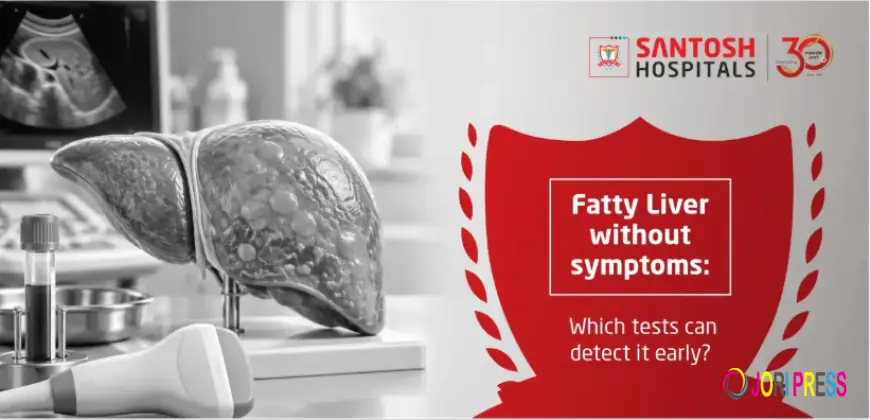
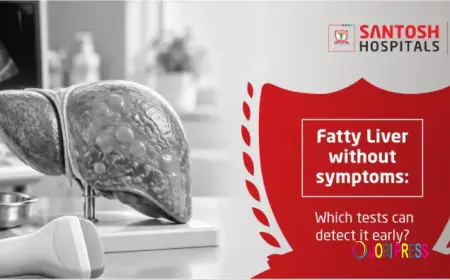
Fatty liver is usually found by accident, on an ultrasound done for another reason. Early on it causes no pain and no obvious symptoms, so it can go unnoticed for years. It is closely tied to diabetes, high cholesterol and heart risk, and in some people it advances to scarring. The right tests for fatty liver detection find it while it can still be reversed. The liver keeps working normally despite fat deposits, so waiting for symptoms means waiting too long.
How Is Fatty Liver Identified Without Symptoms?
Fatty liver means extra fat has collected inside liver cells. It is commonly linked with excess weight, insulin resistance and an inactive lifestyle, and regular alcohol intake can cause it too. Since symptoms are unreliable, risk factors carry more weight. The likelihood is higher with:
- Excess weight, especially around the abdomen
- Diabetes or prediabetes
- High triglycerides or low HDL cholesterol
- High blood pressure
- Regular alcohol consumption
- A family history of liver disease
Some people feel mild tiredness or a vague heaviness in the upper right abdomen, but many feel completely well. Yellow eyes or skin, swelling of the abdomen or legs and unexplained weight loss point to advanced disease and need prompt review.
Which Blood Tests and Scans Can Detect Fatty Liver Early?
Doctors usually combine several investigations:
- Liver function tests, which measure enzymes that rise when the liver is stressed
- A lipid profile and blood sugar tests, which show related metabolic problems
- An abdominal ultrasound, the most common way fat in the liver is seen
- Elastography, a scan estimating liver stiffness to check for scarring
- Scoring tools combining age with lab values to estimate scarring risk
Each answers a different question. Blood tests show whether the liver is stressed, ultrasound shows whether fat is present and elastography suggests whether scarring has started. Enzymes can read normal even when fat is present, so a normal blood report does not settle the matter.
When Should a Liver Check-Up Be Arranged?
A check-up is advised when risk factors are present, when an ultrasound has already mentioned fatty liver or when liver enzymes stay raised. The Department of Gastroenterology at Santosh Hospitals, supported by round-the-clock laboratory services and the radiology department, can advise which tests suit a patient's age and risk. When scarring is suspected, further assessment follows and other causes of liver disease, such as viral hepatitis, are ruled out.
Where Can a Liver Health Check-Up Be Arranged in Ghaziabad?
Many people ask where to arrange a liver health check-up in Ghaziabad. On the Santosh Hospitals website, the Health Check-up section and the appointment page are the place to begin, and the Gastroenterology team can guide the choice of tests. A check-up is most useful when results are explained clearly, along with the lifestyle changes that apply to the individual.
Lifestyle Steps That Protect the Liver
- Gradual weight loss through balanced meals and regular activity
- Less sugary drinks, refined flour and deep-fried food
- Exercise on most days of the week
- Limited or no alcohol
- Diabetes, cholesterol and blood pressure kept under control
- No unsupervised herbal remedies or supplements, which can stress the liver
- Repeat tests as advised, even after results improve
Conclusion
Fatty liver rarely announces itself, yet blood tests and an ultrasound can find it early. Lifestyle changes made in time lower liver fat and protect health. Santosh Hospitals supports fatty liver detection through Gastroenterology, laboratory and radiology services.
FAQs
1. Can fatty liver occur in lean people?
Yes. Fat can collect in the liver even at a normal body weight, particularly when fat is stored around the abdomen. Diabetes, insulin resistance and inherited factors play a part, and South Asians are known to develop metabolic problems at lower body weights. A normal BMI therefore does not rule it out.
2. Can fatty liver progress to cirrhosis?
In a minority of people, long-standing fat leads to inflammation, then scarring called fibrosis, and eventually cirrhosis over many years. Diabetes, obesity and ongoing alcohol use raise this risk. Regular monitoring with blood tests and elastography helps doctors spot scarring early, when it can still be slowed.
3. Does fatty liver occur in children?
Increasingly yes, especially in children who are overweight, have insulin resistance or follow diets high in sugary drinks and processed food. It is often found incidentally on a scan. Healthier eating, daily physical activity and less screen time are the mainstay of treatment, and a paediatrician can guide follow-up.
4. Does coffee protect the liver?
Several studies link moderate coffee intake with a lower risk of liver scarring and liver cancer. Even so, coffee is not a treatment. It cannot undo the effect of excess weight, sugar or alcohol, and adding sugar or cream reduces any benefit. Weight loss and activity remain the main measures.
5. How long does fatty liver take to improve?
Liver fat can begin to fall within a few months of sustained weight loss and regular exercise. Losing around seven to ten percent of body weight is often linked with meaningful improvement. Progress differs from person to person, so repeat tests, as advised by the doctor, show whether the liver is responding.
6. Is fatty liver always caused by alcohol?
No. Many cases occur in people who drink little or no alcohol and are linked to excess weight, diabetes, high cholesterol and inactivity. This type is called metabolic dysfunction-associated fatty liver disease. Alcohol-related fatty liver is a separate cause, and the two can also occur together, so an honest history helps the doctor.
7. Can fatty liver be reversed?
Early fatty liver can often be reversed with weight loss, a balanced diet, exercise and good control of diabetes and cholesterol. Once significant scarring has formed, it is harder to undo, though it may still be stopped from worsening. This is why early detection matters so much.
What's Your Reaction?
 Like
0
 Dislike
0
 Love
0
 Funny
0
 Angry
0
 Sad
0
 Wow
0