




































Energy Audit vs Energy Management System: Which Delivers Better ROI for Commercial Buildings?

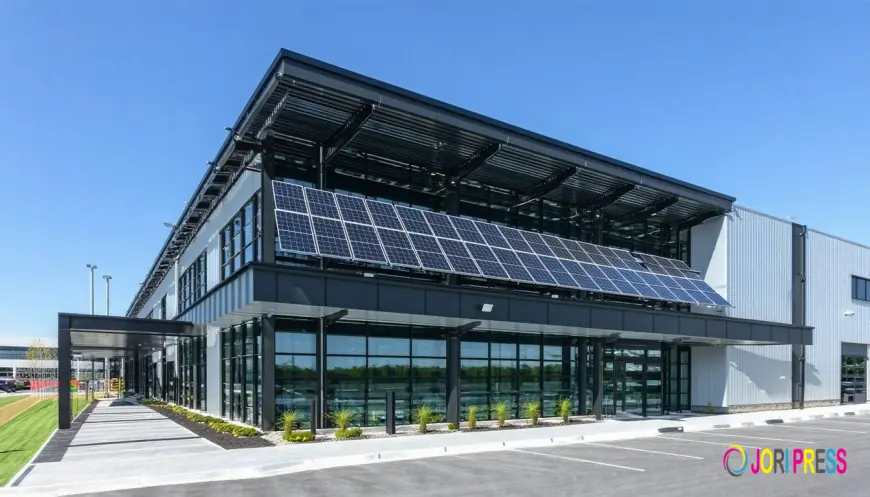
Commercial buildings today face increasing pressure to improve operational efficiency, optimize resource utilization, and support sustainability objectives. Building owners, facility managers, energy managers, and corporate sustainability teams are continuously looking for ways to understand energy consumption patterns and identify opportunities for improvement.
Among the most widely adopted approaches are Energy Audits and Energy Management Systems (EnMS). Both play important roles in energy performance improvement, yet they serve different purposes within an organization's energy management journey.
For decision-makers evaluating investments in energy efficiency and sustainability initiatives, understanding the role of each approach is essential. The question often asked is: Which delivers better return on investment (ROI) for commercial buildings?
The answer depends on organizational objectives, operational maturity, and long-term energy management goals.
Understanding Energy Audits
An Energy Audit is a systematic assessment of energy consumption within a facility. The objective is to evaluate how energy is being used and identify opportunities for improving efficiency.
Energy audits provide building owners and facility teams with valuable insights into energy performance across systems and operations. By examining existing energy usage patterns, organizations can better understand areas where optimization opportunities may exist.
Energy audits help create a foundation for informed decision-making by providing a clear picture of current energy performance. For many organizations, an audit serves as the starting point for developing an energy efficiency strategy.
From commercial offices and industrial facilities to institutional buildings and infrastructure assets, energy audits support efforts to improve operational effectiveness while aligning with sustainability objectives.
Understanding Energy Management Systems
While an energy audit provides an assessment of current performance, an Energy Management System focuses on establishing an ongoing framework for managing and improving energy performance.
An Energy Management System enables organizations to adopt a structured approach to energy management. Rather than being a one-time activity, it supports continual monitoring, evaluation, and improvement of energy-related processes.
Organizations implementing an Energy Management System seek to integrate energy considerations into everyday operational decision-making. This approach encourages ongoing performance review and continuous improvement initiatives.
The framework aligns energy performance objectives with broader business goals, helping organizations establish long-term strategies for efficiency and sustainability.
Energy Audit: Establishing the Baseline
One of the key strengths of an energy audit is its ability to establish a baseline understanding of energy performance.
Before organizations can improve energy efficiency, they must first understand current conditions. Energy audits provide valuable data and observations that help identify opportunities for improvement.
For facility managers and building owners, this baseline information can support future planning, resource allocation, and operational decision-making.
An audit can also serve as an important input when organizations are considering broader energy management initiatives or sustainability programs.
Energy Performance Assessment
Energy Management Systems: Supporting Continuous Improvement
While audits identify opportunities, Energy Management Systems help organizations establish processes for ongoing performance improvement.
A structured energy management framework supports regular monitoring and evaluation of energy-related activities across facilities and operations.
This ongoing approach enables organizations to move beyond isolated improvement initiatives and adopt a culture of continuous performance enhancement.
Commercial buildings that prioritize long-term operational efficiency often benefit from structured management practices that support consistency, accountability, and performance tracking.
Which Approach Delivers Better ROI?
The comparison between an Energy Audit and an Energy Management System should not be viewed as a choice between two competing solutions.
Instead, they are complementary approaches that serve different functions.
An Energy Audit helps organizations understand current performance and identify opportunities for improvement. An Energy Management System helps organizations manage and sustain those improvements over time.
For organizations beginning their energy efficiency journey, an audit often provides the insights needed to establish priorities and identify opportunities.
For organizations seeking long-term operational excellence, an Energy Management System supports continual improvement and ongoing performance management.
The greatest value is often achieved when organizations utilize both approaches as part of a broader energy and sustainability strategy.
Supporting Sustainability and Operational Excellence
Commercial buildings increasingly seek solutions that support sustainability goals while enhancing operational performance.
Energy efficiency initiatives contribute to broader environmental objectives and support responsible resource utilization. Structured approaches to energy management help organizations align operational activities with long-term sustainability commitments.
Whether through energy assessments, management frameworks, performance monitoring, or sustainability initiatives, organizations benefit from a clearer understanding of energy performance and opportunities for improvement.
As expectations around sustainability continue to evolve, energy management practices are becoming an increasingly important component of building operations and facility management.
The Role of Professional Energy Consulting
Developing effective energy strategies requires expertise, structured methodologies, and a clear understanding of organizational objectives.
Professional consulting services help organizations evaluate current performance, identify opportunities, and implement frameworks that support continual improvement.
Through energy consulting, sustainability services, energy management support, measurement and verification, and ISO 50001-related expertise, organizations can develop strategies that align operational performance with sustainability objectives.
These services provide guidance that supports informed decision-making and helps organizations build a strong foundation for long-term energy performance management.
Conclusion
When evaluating Energy Audits and Energy Management Systems, the most effective approach is not determining which one is better, but understanding how each contributes to improved energy performance.
Energy Audits provide valuable insights into current energy use and help identify opportunities for improvement. Energy Management Systems establish a structured framework that supports ongoing monitoring, continual improvement, and long-term energy performance management.
Together, these approaches help commercial buildings improve operational efficiency, support sustainability objectives, and strengthen energy management practices.
Organizations seeking expert guidance in energy management, sustainability consulting, ISO 50001 support, measurement and verification, and energy performance improvement can benefit from the specialized services offered by Conserve Solutions. By combining technical expertise with a structured approach to energy management, Conserve Solutions supports organizations in building a stronger foundation for sustainable operational performance.
What's Your Reaction?
 Like
0
Like
0
 Dislike
0
Dislike
0
 Love
0
Love
0
 Funny
0
Funny
0
 Angry
0
Angry
0
 Sad
0
Sad
0
 Wow
0
Wow
0