







































How to Care for a Dental Crown: Daily Habits That Work
Learn how to care for a dental crown with simple daily habits, from brushing and flossing to diet and night guards, so your restoration lasts for many years.
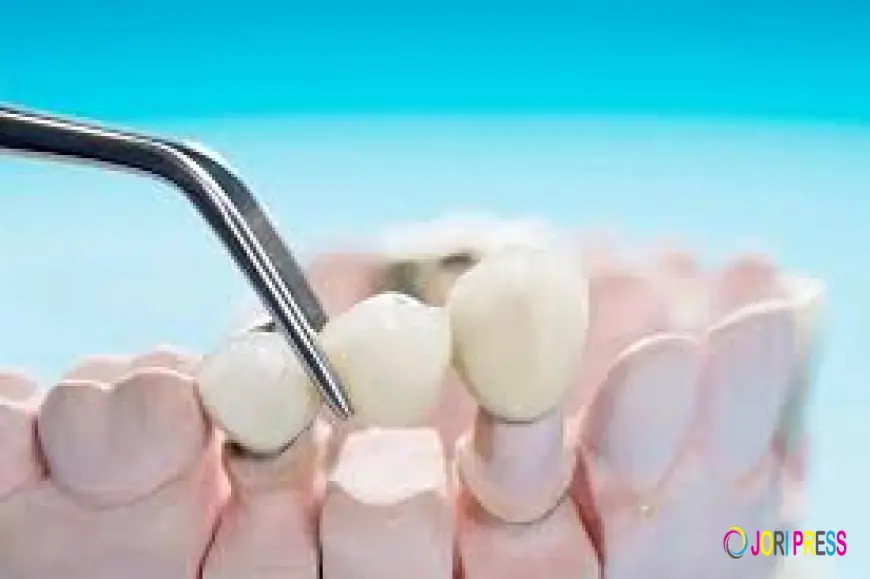
You’ve done the hard part. The damaged tooth has been repaired, the crown is bonded in place, and your bite feels solid again. Now comes a question many patients forget to ask until later: how do you take care of it?
The good news is that crown care is not complicated. You don’t need special products or a dramatic change in routine. What you need is a handful of consistent habits, practiced every day, that protect both the crown and the natural tooth beneath it. Small choices, such as how you floss or what you chew on, quietly add up over the years.
This guide walks through how to care for a dental crown from the first hours after treatment to long-term maintenance. You’ll find practical techniques, a clear list of foods and habits to watch, and the warning signs that mean it’s time to call your dentist. Whether your crown is brand new or has been in place for years, these habits can help it last.
Why Dental Crown Care Matters
A crown is a durable restoration, but it isn’t indestructible. According to Eagle Falls Dentistry’s dental crowns page, crowns typically last 10 to 15 years or more with proper care. The “with proper care” part is where you come in.
The Crown Can’t Decay, but the Tooth Can
The crown itself is made of ceramic, metal, or a combination, so it can’t develop a cavity. The natural tooth underneath, however, can still decay. The most vulnerable spot is the margin, the thin line where the crown meets the tooth near the gum. Plaque that collects there can allow bacteria to creep beneath the crown and weaken the tooth it’s meant to protect.
Gums Are Part of the Equation
Healthy gums hold a crown steady. If gums become inflamed or recede, the edge of the crown can be exposed and the supporting structure can weaken. Taking care of your gums is just as important as taking care of the crown itself.
Care Is Cheaper Than Replacement
A crown that lasts 15 years costs far less per year than one replaced after five. Consistent daily care is the simplest way to avoid early problems, extra appointments, and unplanned expenses.
Dental Crown Aftercare: The First 48 Hours
The first couple of days set the tone. What you do right after placement can make the adjustment period smoother.
Wait Until the Numbness Fades
After treatment, your lips, tongue, and cheek may stay numb for a few hours. Avoid eating until the feeling returns fully, since it’s easy to bite your cheek or tongue without noticing.
Crown Sensitivity After Placement
Mild sensitivity to hot, cold, or pressure is common in the first few days, and the gums around the crown may feel tender. This usually settles quickly. Rinsing gently with warm salt water and avoiding extreme temperatures can help. If sensitivity is sharp, worsens over time, or lingers beyond a couple of weeks, let your dentist know.
Check Your Bite
If the crown feels slightly high or your teeth don’t meet comfortably, don’t just get used to it. A crown that’s even a fraction too high can put extra force on the tooth and lead to soreness or damage. A quick adjustment at the office usually fixes it.
A Note on Same-Day vs. Temporary Crowns
If you received a same-day crown, there is no temporary phase to worry about. With a traditional crown, avoid sticky, chewy, and hard foods while the temporary is in place, since temporaries are held with weaker cement and can loosen. Eagle Falls Dentistry offers same-day crowns using in-office technology, which many patients appreciate for exactly this reason.
Daily Habits: Brushing, Flossing, and Cleaning
This is the heart of crown care. The routine itself is simple. The technique is what makes the difference.
Brushing With a Dental Crown
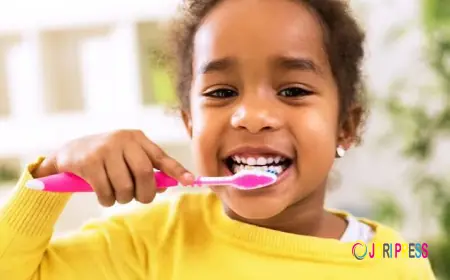
Brush twice a day for two minutes with a soft-bristled toothbrush and fluoride toothpaste. Pay special attention to the gumline around the crown, angling the bristles at about 45 degrees toward where tooth and gum meet. Use gentle, short strokes. Scrubbing hard doesn’t clean better and can irritate gums or wear the area over time.
Skip highly abrasive toothpastes, such as some charcoal or aggressive whitening formulas, since they can dull or scratch certain crown surfaces. A standard fluoride toothpaste is typically a safe, effective choice.
How to Floss Around a Crown
Flossing matters even more with a crown, because the margin is a prime spot for plaque. A few tips:
- Slide the floss gently between the teeth rather than snapping it down.
- Curve the floss into a “C” shape around the crowned tooth and clean just under the gumline.
- To remove the floss, slide it out sideways instead of pulling it straight up. Pulling upward can occasionally catch the edge of a crown, especially a temporary one.
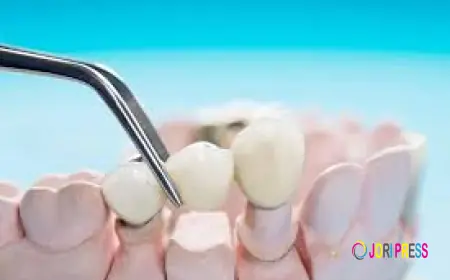
If you have a dental bridge, which includes crowns on either side of a replacement tooth, you’ll need a floss threader or special floss to clean underneath it. Eagle Falls notes this on its dental bridges page.
Interdental Brushes and Water Flossers
If traditional floss is difficult for you, tools like interdental brushes, soft picks, or water flossers can be helpful additions. They’re particularly useful around bridges and implant-supported crowns. Ask your dentist or hygienist which tool suits your mouth best.
Rinsing and Mouthwash
An alcohol-free fluoride or antimicrobial rinse can help reduce bacteria around the gumline. Rinsing with water after meals, especially after sugary or acidic foods, also helps. These are supporting players, not substitutes for brushing and flossing.
Don’t Forget Your Tongue
Cleaning your tongue reduces the bacteria that contribute to plaque, bad breath, and gum inflammation. It takes seconds and supports everything else you’re doing.
Eating Habits: What Your Crown Likes and Dislikes
Crowns can handle normal eating, but certain foods and habits increase the risk of chips, cracks, or a loosened bond.
Foods to Avoid With a Crown
- Ice. Chewing ice is one of the most common causes of cracked crowns and teeth.
- Hard candy and jawbreakers. These put heavy, concentrated force on the crown.
- Very sticky foods, such as caramel, taffy, and chewy candy, which can pull at the cement bond.
- Popcorn kernels and hard nuts, which can crack porcelain or the tooth underneath.
- Hard crusts and bones, especially if chewed on the crowned tooth.
You don’t have to give these up forever. The idea is to be mindful, chewing them on the opposite side or choosing softer alternatives when you can.
Foods That Support Crown and Tooth Health
- Crunchy fruits and vegetables in manageable bites, which stimulate saliva.
- Dairy and calcium-rich foods, which support tooth and bone health.
- Water, which rinses away food particles and helps keep saliva flowing.
- Lean proteins and whole grains, which support overall nutrition.
Watch the Sugar and Acid
Frequent sugary snacks and acidic drinks, like soda, sports drinks, and citrus juices, feed bacteria and soften enamel. The natural tooth near the crown margin is especially vulnerable. Sipping sugary drinks throughout the day is worse than having them with a meal, so limit how often your teeth are exposed.
Temperature Extremes
Right after placement, avoid very hot or very cold foods if your tooth is sensitive. Over the long term, a crown handles normal temperatures well, but sudden swings can irritate a sensitive tooth underneath.
Protect Your Crown From Damaging Habits
Some of the biggest threats to crowns aren’t about food at all. They’re habits that put unnatural force on your teeth.
Night Guard for a Crown: Protection From Grinding
Grinding and clenching, called bruxism, are leading causes of early crown trouble. The pressure can chip porcelain, loosen cement, or crack the tooth beneath. Many people do it during sleep and have no idea. Signs include a sore jaw in the morning, frequent headaches, flattened or worn teeth, and sensitivity.
If this sounds familiar, ask about a custom night guard. A fitted guard cushions your teeth and distributes pressure, protecting both natural teeth and restorations. A professionally made guard fits better and is more comfortable than a store-bought version.
Sports Guards
If you play contact or recreational sports, a trauma to the mouth can break a crown or the tooth under it. A custom sports guard offers much better protection than a generic one.
Everyday Bad Habits
- Biting fingernails or pen caps
- Opening packages or bottles with your teeth
- Chewing on ice or pencils
- Clenching your jaw during stressful moments
Even small habits repeated daily can stress a crown. Replacing them with sugar-free gum or a stress-relief technique can help.
Smoking and Tobacco
Tobacco can stain certain crown materials, irritate gums, and increase the risk of gum disease, which in turn can undermine a crown’s foundation. Reducing or quitting is better for your whole mouth.
Dental Crown Maintenance: Professional Care
Home habits do most of the work, but professional care catches what you can’t see or feel.
Regular Exams and Cleanings
Plan on checkups and professional dental cleanings about every six months, or as your dentist recommends. Cleanings remove plaque and tartar that daily brushing misses, particularly around the crown margin. Hygienists also use tools that clean without scratching restorations.
Imaging and Monitoring
Decay beneath a crown can develop quietly. Digital X-rays allow your dentist to see what’s happening under the surface, and a periodic comprehensive dental exam checks the crown’s fit, margins, and bite.
Keep Your Gums Healthy
Gum health directly affects crown stability. If your gums bleed, swell, or recede, don’t wait. Early treatment of periodontal (gum) disease protects your crown and the structures that support it.
Mind Your Other Restorations Too
If you have fillings near your crown, they need care as well. Large or aging fillings can fail and affect neighboring teeth. Eagle Falls notes that tooth fillings typically last 7 to 15 years depending on material and care, so regular checks help catch wear before it causes trouble. If you prefer a seamless look for smaller repairs, ask about tooth-colored fillings.
Signs Your Crown Needs Attention
Even with excellent care, it’s worth knowing the warning signs. Contact your dentist if you notice:
- Pain or sensitivity when biting or to hot and cold
- A loose or wobbly crown, or one that shifts when you chew
- A chip or crack in the crown
- A rough or sharp edge that your tongue keeps finding
- Gum swelling, bleeding, or tenderness around the crowned tooth
- A bad taste or odor that doesn’t go away
- A dark line at the gumline, which can appear as gums recede
What to Do If Your Crown Comes Off
Stay calm. Keep the crown in a safe place, rinse it gently, and avoid chewing on that side. Call your dentist as soon as possible so it can be re-cemented or replaced. Don’t use household glue. If you experience severe pain or swelling, treat it as one of the dental emergencies that needs prompt attention.
Care Tips by Crown Type
Different crowns have slightly different needs.
- Zirconia and ceramic crowns: Strong and stain-resistant, but avoid extremely hard objects that can chip or crack them.
- Porcelain-fused-to-metal crowns: Watch the gumline for a dark edge as gums recede, and keep an eye on the porcelain for chips.
- Gold crowns: Very durable and gentle on opposing teeth, but still need excellent margin cleaning.
- Crowns on implants: These need diligent cleaning around the gumline to protect the supporting tissue. Learn more about dental implants and their care needs.
Your dentist can tailor advice to your specific material and tooth.
Common Crown Care Mistakes
- Skipping floss because the crown “can’t decay”
- Brushing too hard and irritating gums
- Ignoring a high bite and hoping it will settle
- Chewing ice or hard candy out of habit
- Skipping checkups because nothing hurts
- Delaying a call when something feels different
Avoiding these mistakes is half the battle.
Frequently Asked Questions
How do I make dental crowns last longer?
Brush twice daily, floss carefully, avoid chewing hard objects, wear a night guard if you grind, and keep regular dental visits. Healthy gums and a healthy tooth underneath are just as important as the crown itself.
Can I whiten my crown?
Crowns don’t respond to whitening. If you plan to whiten your natural teeth, do so before your crown is made so the shade can be matched.
Is it normal for my crown to feel sensitive?
Some sensitivity in the first few days is common. If it’s sharp, increasing, or lasts more than a couple of weeks, see your dentist.
Can I eat normally with a crown?
Yes, after the numbness fades and any initial sensitivity settles. Just be careful with very hard, sticky, or chewy foods.
Do I need special toothpaste?
Usually not. A fluoride toothpaste that isn’t overly abrasive is typically fine. Ask your dentist if you have specific concerns.
How often should I see the dentist with a crown?
About every six months for checkups and cleanings, or as your dentist recommends based on your needs.
Small Habits, Long-Lasting Results
A dental crown is built to protect your tooth for a decade or more, but its lifespan depends heavily on what happens at home. Brush gently and consistently, floss with care, choose your foods and habits wisely, protect against grinding and impact, and keep up with professional visits. None of it is complicated, and together these habits give your restoration the best chance of lasting.
If you have questions about caring for your crown, or you’re considering one and want to know what to expect, the team at Eagle Falls Dentistry is here to help. Learn more about dental crowns in Bloomingdale, or contact the office to schedule a visit. With the right daily habits, your crown can keep protecting your smile for many years to come.
What's Your Reaction?
 Like
0
 Dislike
0
 Love
0
 Funny
0
 Angry
0
 Sad
0
 Wow
0