







































Double Acting Pneumatic Valve By WisleyPneumatic

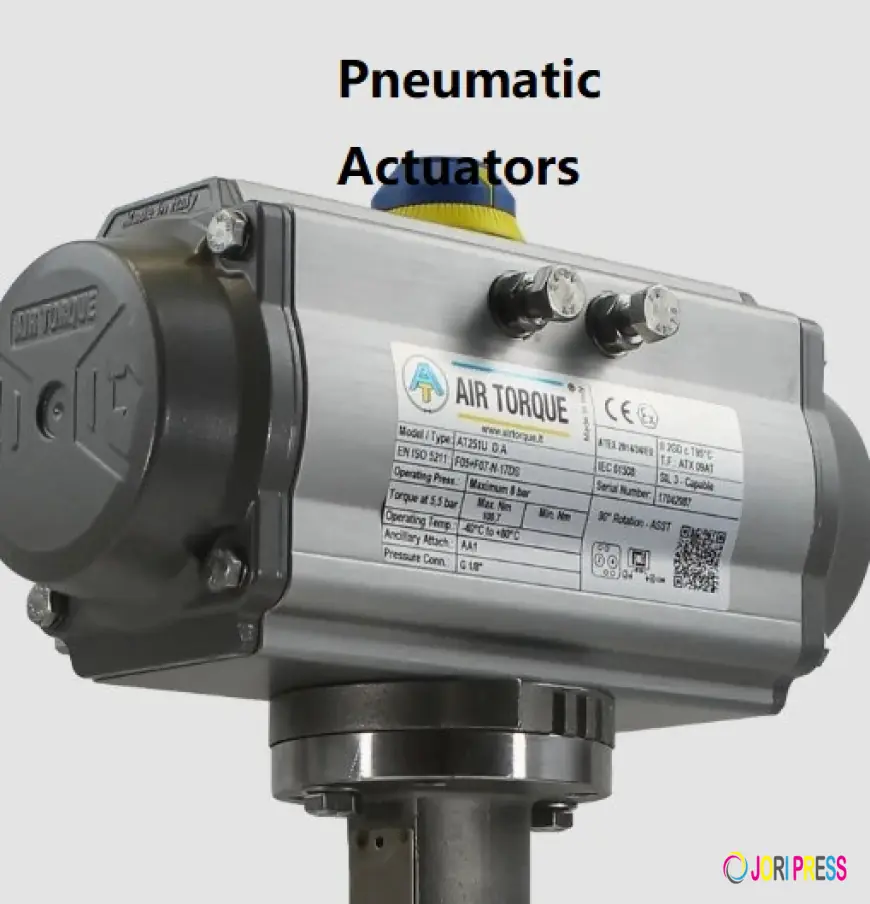
In modern automated equipment, valve movement needs to be predictable, repeatable, and easy to control. A Double Acting Pneumatic Valve provides powered movement in both directions, while a Fork Type Pneumatic Valve can offer a practical configuration for systems requiring controlled mechanical motion. When a Double Acting Pneumatic Valve is paired with a suitable control setup, operators can manage opening and closing movements with greater flexibility, while a Fork Type Pneumatic Valve can fit applications where actuator structure and available installation space matter. This makes pneumatic valve technology useful across many automated production environments.
How Double-Sided Air Control Works
Unlike an actuator that relies on a spring for one direction, a double-acting design uses compressed air to drive movement in both directions. Air is supplied to one side to create motion, while switching the air path allows movement in the opposite direction.
This operating principle gives engineers more direct control over the valve cycle. The movement can be integrated with solenoid valves, sensors, controllers, and other automation components. For production lines that require repeated cycling, this approach can provide a consistent operating pattern without relying on manual intervention.
Matching Valve Motion With System Needs
Valve selection should begin with the actual movement required by the equipment. Different processes may need quick switching, controlled positioning, or repeated opening and closing. The actuator and valve combination therefore needs to work as a complete unit rather than as isolated components.
A useful installation also considers connection dimensions, mounting position, available air supply, and control signals. If these elements are matched before installation, commissioning can be simpler and unexpected adjustments can be reduced. The right combination can also make future replacement easier because the operating requirements are already clearly defined.
WisleyPneumatic And Practical Automation
For automated machinery, the relationship between the valve and actuator is especially important. WisleyPneumatic provides pneumatic actuator and valve solutions covering several configurations, including straight-stroke and fork-type pneumatic actuators as well as ball, butterfly, gate, stop, knife gate, and discharge valves. The company also describes processes covering product design, manufacturing, testing, transportation, and after-sales support.
This broad product approach can help users consider the complete control arrangement instead of selecting a valve only by its basic size. In applications where equipment layouts differ from one project to another, customization can also be useful for connecting the valve solution with existing machinery.
Installation And Everyday Maintenance
A pneumatic valve system should be convenient to inspect after it has been installed. Operators may need to check air connections, fittings, actuator movement, sealing areas, and control components during routine service. Clear access around the valve can make these tasks much easier.
It is also useful to keep the air supply clean and properly managed. Moisture, contaminants, or unstable air conditions can affect pneumatic components over time. Regular inspection can help identify unusual movement or leakage before these issues interrupt normal production. A straightforward maintenance routine supports dependable operation without adding unnecessary complexity.
Building A Flexible Valve System
The value of pneumatic automation comes from how well each component works with the rest of the system. A valve, actuator, air source, control device, and sensing element should be considered together when designing a new installation or upgrading existing equipment.
What's Your Reaction?
 Like
0
Like
0
 Dislike
0
Dislike
0
 Love
0
Love
0
 Funny
0
Funny
0
 Angry
0
Angry
0
 Sad
0
Sad
0
 Wow
0
Wow
0