







































Crypto Exchange Development: Cost, Timeline & What to Expect in 2026
Crypto exchange development explained: real cost, launch timeline, core features and security needs. Get a free quote from Blockchain Apps Developer.

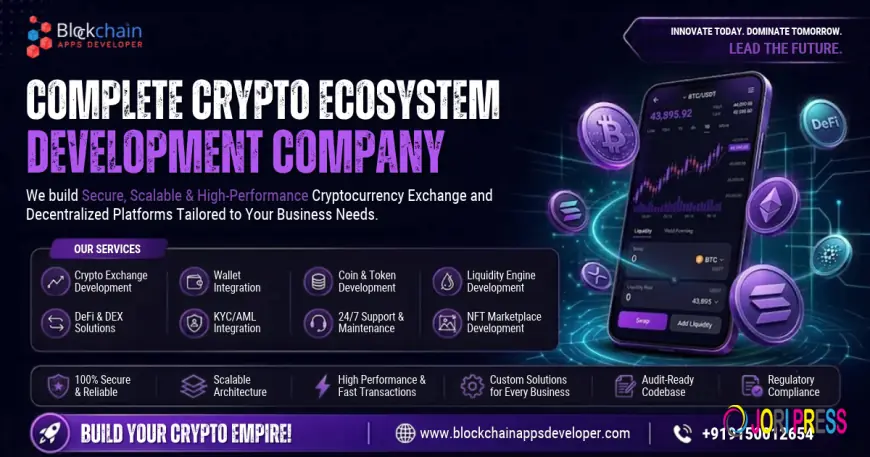
If you are planning crypto exchange development this year, you probably want clear answers before you speak to any company. Here is what the project involves, how long it takes, and what to check before you pick a team.
What a Crypto Exchange Really Costs to Build
The budget depends on the type of platform and how much you want at launch. A simple spot exchange built on a ready-made base costs far less than a custom platform with derivatives, margin trading and its own liquidity engine. Extra wallet integrations, mobile apps and strict compliance modules add to the price. The theme of the website or the number of trading pairs on day one rarely changes it much. Ask for a written estimate that splits design, development, testing and support, so nothing hides inside one lump sum.
How Long It Takes to Launch
A white-label exchange can go live in a matter of weeks, since the core engine already exists and only needs branding and setup. A fully custom exchange takes a few months, because it includes load testing, security review and a staged rollout. Delays usually come from late feature changes and slow approvals from banking or liquidity partners, not from the coding. Finalise your market, supported coins and payment methods early, and the schedule holds. If you already have a launch date, send it over and we will plan backwards from it.
Core Features Every Exchange Needs
A strong exchange runs on a fast order matching engine, a clean trading interface and secure wallets with hot and cold storage. It also needs a liquidity solution so that order books never look empty, a user dashboard, an admin panel and API access for traders. Many founders add staking, a token launchpad or an NFT marketplace later, once the base is stable. Put your own list next to this one, spot the gaps, and book a short call to confirm what fits your plan.
Security, KYC/AML and Compliance
Users trust an exchange only as long as it keeps their funds safe. That means two-factor login, withdrawal whitelisting, cold storage for most assets, DDoS protection and regular penetration testing. Built-in KYC/AML checks keep you on the right side of regulators, and audit-ready code makes licensing and investor talks easier. Rules differ from country to country, so your platform should be flexible enough to adapt. Request our security and compliance checklist and read it before you commit to anything.
Choosing the Right Development Partner
Custom builds suit teams with a unique model and long-term plans. White-label solutions suit those who want to enter the market quickly and improve later. Either way, check five things before hiring: relevant past projects, who owns the source code, how testing is done, what support follows launch, and how pricing changes if scope shifts. At Blockchain Apps Developer, we are happy to answer all five in writing before you commit to anything.
What's Your Reaction?
 Like
0
 Dislike
0
 Love
0
 Funny
0
 Angry
0
 Sad
0
 Wow
0