





































Cracked Tooth Root: Causes, Symptoms, Diagnosis & Treatment
Learn what a cracked tooth root means, especially after a root canal, and discover the common causes, warning signs, diagnosis, and treatment options.
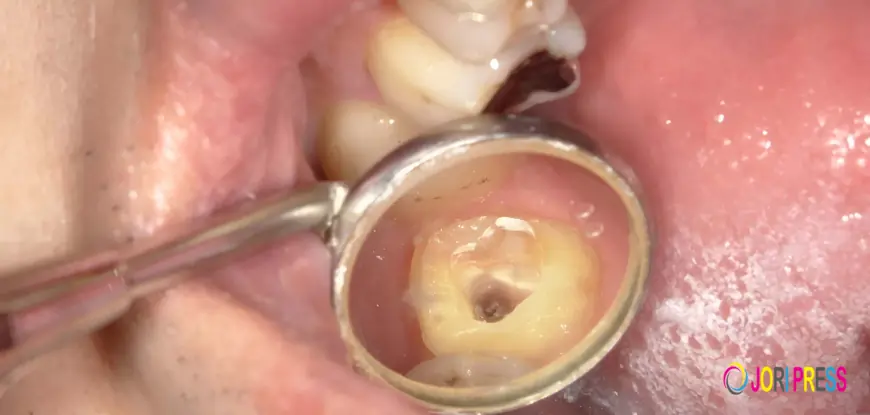
A cracked tooth root can be difficult to recognize because the fracture may develop below the gumline. Unlike a visible chip or crack in the crown, a root fracture may not be obvious when you look at the tooth. Some people notice occasional discomfort when chewing, while others may develop gum irritation or an infection around the affected tooth.
This can be especially confusing when the tooth has already undergone a root canal. Understanding the possible causes and warning signs can help you know when a dental evaluation is needed.
What Is a Cracked Tooth Root?
A cracked tooth root is a fracture that affects the portion of the tooth located beneath the gumline. The crack may be small at first but can allow bacteria to move into areas that are difficult to clean.
A tooth that has had a root canal can sometimes develop a fracture because the tooth may already have significant structural damage from decay, large fillings, or an existing crack. Root canal treatment removes infected or inflamed tissue inside the tooth, but it does not rebuild tooth structure that was lost before treatment.
Why Can a Tooth Crack After a Root Canal?
Several factors can contribute to a fracture.
A tooth may have already lost substantial structure because of decay or a large restoration. Grinding and clenching can also place repeated pressure on a weakened tooth. Delaying a recommended crown may leave the remaining tooth more vulnerable to biting forces.
Everyday habits can matter as well. Chewing ice, hard candy, or other hard objects can put excessive force on a tooth that has already been weakened.
In some cases, a fracture may have existed before the root canal but may not have produced noticeable symptoms at the time.
Signs That May Point to a Root Fracture
Symptoms can vary depending on the location and extent of the crack. Some possible warning signs include:
- Pain or discomfort when biting
- Pain that occurs when releasing a bite
- A dull ache that comes and goes
- Tenderness around a previously treated tooth
- A small bump or pimple on the gum
- Swelling or signs of infection near the tooth
Having one of these symptoms does not automatically mean that the tooth has a root fracture. Other dental problems can produce similar symptoms, so a professional examination is important.
Why Root Fractures Can Be Hard to Detect
A fracture below the gumline may not be visible during a normal visual inspection. Standard dental X-rays may also fail to show a small or vertical fracture directly.
A dentist may use several methods to investigate the problem, including a bite test, magnified examination, and transillumination. In some situations, a CBCT scan may provide additional information when conventional imaging does not give a clear explanation for the symptoms.
Even advanced imaging cannot always directly reveal every root fracture, which is why the clinical examination remains important.
Can a Cracked Tooth Root Be Saved?
Treatment depends on the location, depth, and extent of the fracture.
If the damage is limited and the tooth remains restorable, treatment may involve a crown or other restorative care. If reinfection is involved and the tooth can still be restored, root canal retreatment may also be considered.
A deep vertical root fracture is different. When the fracture extends through the root and the tooth cannot be predictably restored, extraction may become necessary.
The only way to determine whether a particular tooth can be saved is through an examination by a dentist.
What Happens If a Cracked Root Is Ignored?
A cracked tooth root does not necessarily cause severe pain immediately. A root-treated tooth no longer has the same nerve response as a tooth with a healthy pulp, so symptoms can sometimes be subtle.
However, bacteria can enter through a fracture and contribute to infection around the root. If the problem progresses, the surrounding bone and gum tissues may also become affected.
For that reason, new symptoms in a tooth that has previously received root canal treatment should not simply be ignored.
How Can You Reduce the Risk of Another Crack?
You cannot prevent every dental fracture, but protecting weakened teeth can reduce unnecessary stress.
If your dentist recommends a crown after a root canal, follow the recommended treatment timeline. If you grind or clench your teeth, ask whether a nightguard may be appropriate. Avoid chewing ice and other very hard objects, and maintain regular dental examinations so developing problems can be identified earlier.
When Should You See a Dentist?
A previously root-treated tooth that suddenly becomes painful, sensitive to pressure, or develops a bump on the gum deserves professional attention.
Early evaluation can help determine whether the problem is related to a fracture, infection, a restoration, or another dental condition. The sooner the cause is identified, the sooner appropriate treatment can be discussed.
If you are experiencing symptoms around a tooth that has had a root canal, schedule an examination with a qualified dental professional rather than waiting for the discomfort to become severe.
What's Your Reaction?
 Like
0
Like
0
 Dislike
0
Dislike
0
 Love
0
Love
0
 Funny
0
Funny
0
 Angry
0
Angry
0
 Sad
0
Sad
0
 Wow
0
Wow
0