







































Common ECU Repairs & How to Resolve Them
Buraq Automotive deliver high quality car & truck servicing to your door. Looking for a quality mobile mechanic near you? Call Buraq Automotive right away.
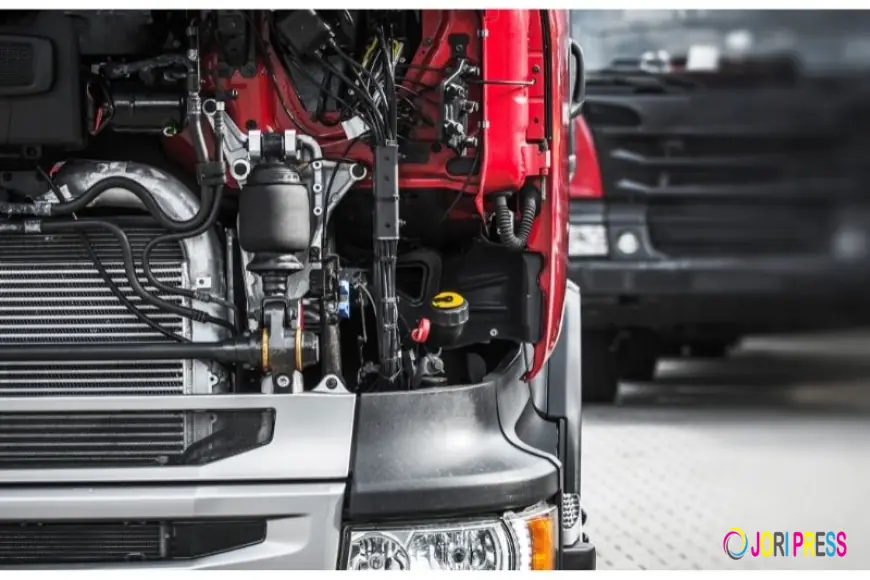
Modern vehicles depend on electronic control systems to manage engine operation, fuel delivery, emissions and other important functions. One of the key components in many vehicles is the Engine Control Unit (ECU), which processes information from sensors and uses programmed instructions to help the engine operate correctly.
When an ECU-related problem develops, you may notice a check engine light, difficulty starting, rough idling, reduced acceleration or changes in fuel consumption. However, these symptoms do not automatically mean the ECU itself has failed. Faulty sensors, damaged wiring, battery problems and other mechanical issues can produce similar signs.
Understanding common ECU faults can help you recognise when professional diagnosis is needed. If you are looking for a mechanic in Lynbrook, knowing how these issues are investigated can help you make informed decisions about your vehicle's maintenance and repairs.
What Does an ECU Do?
The Engine Control Unit is an electronic module that receives information from sensors and controls selected engine functions. Depending on the vehicle, these may include fuel injection, ignition timing, idle speed and aspects of emissions control.
Modern vehicles may also have separate electronic modules for transmission, braking, body electronics and other systems. These modules can communicate with each other, making accurate diagnosis important when an electronic fault appears.
An ECU relies on suitable electrical power, reliable connections and accurate sensor information. If one of these elements fails, the vehicle may display symptoms that resemble an ECU malfunction.
A diagnostic trouble code can help identify the system or condition that needs investigation, but it does not always identify a failed component. Further testing is often required to confirm the underlying cause.
1. Faulty Sensors and Incorrect Readings
Vehicle sensors measure operating conditions and send information to the ECU. Depending on the vehicle, sensors may monitor engine temperature, airflow, oxygen levels, throttle position or crankshaft position.
A defective sensor, damaged connector or wiring fault can cause inaccurate readings. This may lead to rough idling, hesitation during acceleration, starting difficulties, increased fuel consumption or an illuminated check engine light.
The correct repair depends on the cause. A technician may scan the vehicle for fault codes, review live sensor data, inspect wiring and compare measurements with manufacturer specifications.
If a sensor is confirmed to be faulty, replacement may be appropriate. If the problem comes from a damaged connector or electrical circuit, that issue needs to be addressed instead.
Replacing components without confirming the fault can increase repair costs without resolving the original symptoms. Proper testing helps identify which part of the system needs attention.
2. Wiring and Electrical Connection Faults
The ECU requires reliable power, earth connections and communication with other vehicle components. Loose connectors, corroded terminals, damaged wiring or moisture intrusion can interrupt these connections.
Symptoms may include intermittent warning lights, difficulty starting, inconsistent engine performance or communication errors between electronic modules. These problems can sometimes appear and disappear, making diagnosis more challenging.
A professional inspection may include checking wiring harnesses, testing power and earth circuits, inspecting connectors and investigating communication faults. The specific tests depend on the vehicle and the symptoms.
Repairs might involve correcting a poor connection, repairing damaged wiring or replacing a defective connector. If the wiring problem is not resolved, replacing the ECU alone may not fix the issue.
If your vehicle develops recurring electrical faults, provide details about when they occur and whether any recent repairs or battery work have been carried out. This information can help guide the diagnostic process.
3. Battery and Charging System Problems
Electronic modules need a stable electrical supply to operate correctly. A weak battery, faulty alternator, poor terminal connection or charging-system problem can affect vehicle electronics.
Possible warning signs include slow engine cranking, repeated flat-battery problems, intermittent dashboard warnings and electrical accessories behaving unexpectedly.
Low voltage can also create stored fault codes that do not necessarily indicate a permanent ECU failure. Checking the battery and charging system is therefore an important step before replacing an electronic control module.
A technician may test battery condition, inspect terminals, measure charging performance and check relevant electrical connections. Further testing may be required if the battery repeatedly loses charge.
If a battery or charging-system fault is responsible, resolving that problem may restore normal operation without ECU replacement.
4. ECU Software and Communication Issues
Some ECU-related problems involve software, module configuration or communication between electronic systems. Depending on the vehicle, symptoms may include warning messages, intermittent faults or changes in engine operation.
A technician may need to retrieve diagnostic codes from multiple modules, check communication circuits and consult applicable manufacturer information. In some cases, an approved software update or configuration procedure may be appropriate.
Software updates are not a universal solution. They will not repair damaged wiring, a failed sensor or a defective electronic component.
Where programming or coding is required, the correct equipment and vehicle-specific procedures are important. Some repairs may require specialist tools or manufacturer-specific access.
The best approach is to establish the underlying fault before deciding whether software work, electrical repairs or component replacement is necessary.
5. ECU Hardware Failure
Although many apparent ECU problems originate elsewhere, the control unit itself can fail. Potential causes include electrical damage, moisture intrusion, excessive heat and internal component deterioration.
Possible symptoms include persistent warning lights, communication failures, engine-management problems or a vehicle that will not start. These signs can also be caused by other faults, so they should not be treated as proof of ECU failure.
Before replacing a control unit, the technician should check its power supply, earth connections, wiring and relevant components. Manufacturer testing procedures and diagnostic results can help establish whether the ECU is responsible.
Depending on the vehicle and the nature of the fault, options may include specialist electronic repair, reconditioning or replacement. A replacement ECU may require programming, coding or security-system configuration to work correctly.
Ask for an explanation of the diagnostic findings and proposed repair before authorising major electronic component replacement.
6. How Are ECU Problems Diagnosed and Repaired?
An effective diagnostic process investigates the cause of the symptoms rather than relying on a fault code alone.
The process generally includes the following steps:
1. Record the symptoms: Note warning lights, starting difficulties, performance changes and when the problem occurs.
2. Scan the vehicle: Use a compatible diagnostic tool to retrieve relevant trouble codes from accessible systems.
3. Check the electrical supply: Test the battery, charging system, power connections and earth circuits where appropriate.
4. Inspect related components: Examine sensors, wiring and other systems that may explain the fault.
5. Determine the repair: Based on the findings, the technician can recommend suitable repairs or further specialist testing.
6. Verify the outcome: Recheck the relevant systems and confirm whether the original symptoms have been resolved.
The required work varies according to the vehicle, the fault and the results of testing. Some problems may involve a simple electrical repair, while others require more extensive diagnosis or specialist electronic work.
For motorists arranging car repairs in Lynbrook, asking for a clear explanation of the fault and recommended repair can help with budgeting and maintenance decisions.
7. Can ECU Faults Affect Trucks?
Trucks and commercial vehicles also use electronic control modules to manage engine operation, transmission functions, emissions systems and other vehicle features. The systems involved vary by vehicle type and manufacturer.
Warning signs may include reduced engine power, starting difficulties, dashboard alerts or changes in vehicle operation. These symptoms can also result from mechanical problems, sensor faults or electrical supply issues.
Arranging a truck service in Lynbrook can help operators discuss scheduled maintenance and investigate developing mechanical or electronic concerns. The appropriate diagnostic procedure depends on the truck and the affected system.
If a commercial vehicle develops a serious braking fault, significant overheating, unstable steering or another potentially dangerous problem, stop in a safe location and arrange suitable assistance.
Keeping maintenance records and reporting warning signs promptly can help operators make informed decisions about repairs and reduce avoidable disruption.
8. Can ECU Problems Affect Roadworthy Inspections?
An ECU-related fault may affect vehicle operation or an emissions-related system, depending on the nature of the problem. However, a diagnostic code or warning light does not automatically determine the outcome of a roadworthy inspection.
In Victoria, a roadworthy certificate confirms that a vehicle met the applicable roadworthiness requirements at the time of inspection. The inspection focuses on specified safety-related items; it is not a complete assessment of mechanical reliability or a guarantee against future faults.
If you need roadworthy certificates in Lynbrook, discuss any unresolved warning lights or known faults with the workshop before arranging an inspection. The vehicle must be assessed against the relevant requirements, and the result depends on its actual condition.
If the vehicle does not meet the applicable requirements, the identified defects need to be addressed and the vehicle reassessed as required. A pass cannot responsibly be guaranteed before inspection.
For current requirements, refer to Transport Victoria's roadworthy certification guidance.
Book a Vehicle Inspection with Buraq Automotive
ECU-related symptoms can be frustrating, particularly when they occur intermittently or affect the vehicle's ability to start and run properly. Accurate diagnosis is an important first step towards identifying the underlying problem and choosing a suitable repair.
Buraq Automotive operates from 7 Wally Place, Lynbrook, VIC 3975, and provides vehicle servicing and repair services for local motorists. If your vehicle is showing warning lights, experiencing starting difficulties or displaying unusual engine behaviour, contact the workshop to discuss your concerns.
Call 0434 416 207 or 03 9792 9803, or use the online booking page to discuss your servicing or repair requirements.
Frequently Asked Questions
What are the common symptoms of ECU problems?
Possible symptoms include a check engine light, rough idling, starting difficulties, reduced performance and communication faults. These symptoms can have other causes, so professional diagnosis is important.
Does every ECU fault require replacement?
No. The problem may involve a sensor, wiring, battery, charging system or another component. Testing helps determine whether the ECU itself needs repair or replacement.
Can a weak battery trigger ECU warning lights?
Yes. Low or unstable voltage can affect electronic systems and may create warning lights or stored fault codes. Battery condition and charging performance should be checked where relevant.
Can ECU problems affect trucks?
Yes. Electronic control faults can affect trucks, but the symptoms and repair requirements depend on the vehicle and the system involved.
Does an ECU warning automatically mean a vehicle will fail a roadworthy inspection?
No. The inspection outcome depends on whether the vehicle meets the applicable roadworthiness requirements at the time of inspection. An ECU warning may need investigation, but it does not automatically determine the result.
Where can I arrange vehicle servicing in Lynbrook?
Buraq Automotive is located at 7 Wally Place, Lynbrook, VIC 3975. Contact the workshop to discuss your vehicle's symptoms, maintenance needs and repair requirements.
What's Your Reaction?
 Like
0
 Dislike
0
 Love
0
 Funny
0
 Angry
0
 Sad
0
 Wow
0