






































Choosing the Right Chamfering Tool for CNC Applications
Learn how to choose the right chamfering tool for CNC applications. Explore tool types, selection factors, benefits, and machining best practices.
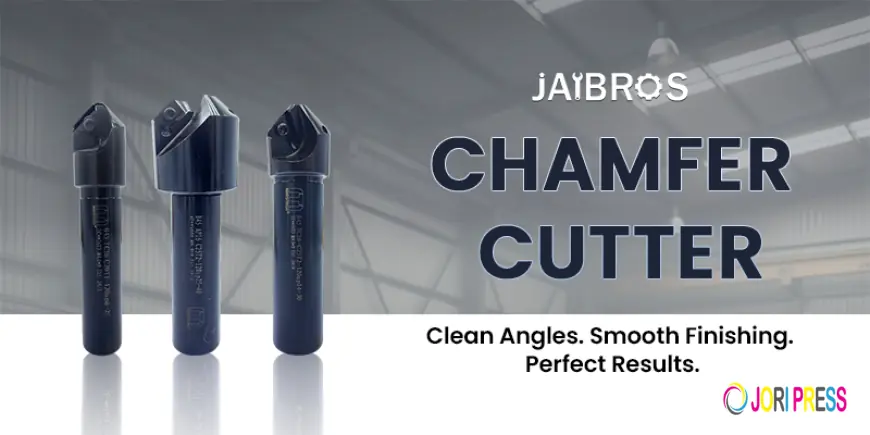
How to Select the Best Chamfering Solution for Precision CNC Machining
Introduction
Precision and consistency are critical in modern CNC machining. Whether manufacturing aerospace components, automotive parts, industrial equipment, or custom-engineered products, achieving high-quality edge finishes is essential. One of the most effective ways to improve edge quality is through chamfering.
Chamfering is the process of creating a beveled edge between two surfaces of a workpiece. This operation helps remove sharp corners, improve safety, simplify assembly, and enhance the appearance of finished components. To achieve these results efficiently, manufacturers rely on a high-quality chamfer tool.
However, selecting the right chamfering solution is not always straightforward. Different materials, machining operations, production volumes, and edge requirements demand different tooling configurations. This guide explains how to choose the right chamfering tool for CNC applications and maximize machining performance.
Understanding Chamfering in CNC Machining
Chamfering is commonly performed after milling, drilling, turning, or threading operations. The goal is to remove sharp edges and create smooth transitions between surfaces.
Common reasons for chamfering include:
-
Improving part safety
-
Enhancing product appearance
-
Assisting component assembly
-
Removing burrs
-
Preparing surfaces for welding
-
Reducing stress concentrations
A properly selected chamfer tool ensures these objectives are achieved consistently while maintaining production efficiency.
Why Tool Selection Matters
Many machining challenges can be traced back to improper tooling selection.
Using the wrong chamfering tool may result in:
-
Poor surface finishes
-
Inconsistent chamfer dimensions
-
Excessive tool wear
-
Increased cycle times
-
Higher production costs
Choosing the correct tool improves productivity and helps maintain machining accuracy throughout the manufacturing process.
Types of Chamfering Tools Used in CNC Applications
Understanding the available tool options is the first step toward making the right choice.
Standard Chamfer Mills
Standard chamfer mills are among the most commonly used chamfering solutions.
These tools are ideal for:
-
Edge breaking
-
Deburring
-
Surface finishing
-
General-purpose chamfering
They are available in various diameters and angles to accommodate different machining requirements.
Countersink Tools
Countersinks create conical openings for fasteners such as flat-head screws.
They are commonly used in:
-
Automotive manufacturing
-
Aerospace assembly
-
Precision engineering
Spotting and Chamfer Combination Tools
These tools perform multiple operations in a single setup.
Benefits include:
-
Reduced cycle times
-
Fewer tool changes
-
Improved productivity
Indexable Chamfering Tools
Indexable tools use replaceable inserts instead of solid cutting edges.
Advantages include:
-
Lower tooling costs
-
Longer service life
-
Faster insert replacement
These tools are often used in high-volume production environments.
Back Chamfering Tools
A back chamfer tool is specifically designed for creating chamfers on internal surfaces or hard-to-reach locations.
These tools are frequently used in:
-
Hydraulic systems
-
Aerospace components
-
Precision mechanical assemblies
Back chamfering tools help manufacturers machine areas that conventional tools cannot easily access.
Factors to Consider When Choosing a Chamfering Tool
Several factors influence tooling selection.
Workpiece Material
The material being machined plays a major role in determining tool geometry and cutting parameters.
Common materials include:
-
Aluminum
-
Stainless steel
-
Titanium
-
Cast iron
-
Tool steel
-
Engineering plastics
Harder materials generally require stronger cutting edges and wear-resistant coatings.
Chamfer Angle Requirements
Different applications require different chamfer angles.
Common angles include:
-
30°
-
45°
-
60°
-
90°
The correct angle should always match engineering specifications.
Chamfer Size
Larger chamfers often require larger tool diameters and more robust cutting geometries.
Selecting the appropriate tool size helps ensure accuracy and efficiency.
Machine Capabilities
Tool selection should align with machine specifications such as:
-
Spindle speed
-
Machine rigidity
-
Tool-holding systems
-
Available horsepower
Even the best tooling solution may perform poorly if machine limitations are ignored.
Production Volume
High-volume manufacturing often benefits from indexable tooling systems that reduce replacement costs and downtime.
Low-volume operations may find solid carbide tools more economical.
Solid Carbide vs Indexable Chamfering Tools
Manufacturers frequently compare solid carbide and indexable tooling options.
Solid Carbide Tools
Advantages include:
-
Excellent rigidity
-
High precision
-
Superior surface finishes
-
Better performance on small chamfers
Solid carbide tools are often preferred for precision machining applications.
Indexable Tools
Advantages include:
-
Lower operating costs
-
Easy insert replacement
-
Suitable for large chamfers
-
High productivity
The choice depends on production requirements and machining objectives.
CNC Chamfering Operations
Modern CNC machining centers allow chamfering operations to be fully automated.
A dedicated chamfer tool cnc setup offers several advantages:
-
Consistent chamfer dimensions
-
Reduced operator involvement
-
Faster cycle times
-
Improved repeatability
-
Better process control
Automation helps manufacturers maintain quality standards while increasing production efficiency.
Chamfering on Lathes
Turning centers also require edge-finishing operations.
A chamfer tool lathe is designed specifically for creating beveled edges during turning processes.
These tools are commonly used when machining:
-
Shafts
-
Bushings
-
Threaded components
-
Connectors
-
Precision mechanical parts
Integrating chamfering into turning operations eliminates secondary finishing steps and improves workflow efficiency.
The Relationship Between Chamfering and CNC Tools
Chamfering tools work alongside other advanced cnc tools used in modern manufacturing.
A typical CNC machining setup may include:
-
End mills
-
Drills
-
Reamers
-
Thread mills
-
Boring tools
-
Chamfering tools
Together, these tools help produce components that meet strict dimensional and quality requirements.
Effective tool selection ensures all machining operations work together efficiently.
Common Mistakes When Selecting Chamfering Tools
Avoiding common mistakes can improve machining results and reduce costs.
Choosing the Wrong Tool Geometry
Different applications require specific cutting geometries.
Using the wrong geometry often leads to poor finishes and excessive wear.
Ignoring Material Requirements
Tool performance depends heavily on material compatibility.
Always select tooling designed for the workpiece material.
Overlooking Machine Limitations
Machine rigidity and spindle capabilities should influence tooling decisions.
Prioritizing Price Over Performance
The lowest-cost option may not provide the best long-term value.
Premium tools often deliver greater productivity and lower operating costs.
Best Practices for Chamfering Operations
Following proper machining practices helps maximize tool life and performance.
Use Correct Speeds and Feeds
Follow manufacturer recommendations whenever possible.
Monitor Tool Wear
Regular inspection prevents dimensional inaccuracies and surface finish issues.
Maintain Proper Coolant Flow
Coolant reduces heat buildup and extends tool life.
Ensure Machine Stability
Rigid setups improve accuracy and reduce vibration.
Use High-Quality Tool Holders
Proper tool holding improves cutting performance and consistency.
Benefits of Selecting the Right Chamfering Tool
Choosing the correct tooling solution provides significant advantages.
Improved Product Quality
Consistent chamfers improve appearance and functionality.
Increased Productivity
Efficient cutting geometries reduce machining time.
Lower Manufacturing Costs
Reduced rework and longer tool life lower production expenses.
Better Assembly Performance
Chamfered components fit together more easily and reliably.
Enhanced Safety
Removing sharp edges protects workers and end users.
A properly selected chamfer tool helps manufacturers achieve these benefits consistently.
Conclusion
Selecting the right chamfer tool is essential for achieving high-quality machining results. Factors such as workpiece material, chamfer angle, machine capabilities, and production volume should all be considered during the selection process. By choosing the correct chamfering solution, manufacturers can improve productivity, enhance product quality, reduce costs, and achieve greater process consistency.
For businesses seeking reliable CNC tooling solutions, Jaibros offers a wide range of precision-engineered products designed for modern machining applications. From chamfering tools and cutting tools to specialized CNC solutions, Jaibros supports manufacturers with high-performance products that help improve efficiency, accuracy, and overall production success.
FAQs
1. What is the purpose of a chamfering tool in CNC machining?
A chamfering tool creates beveled edges that improve safety, appearance, assembly, and overall product quality.
2. How do I choose the correct chamfer angle?
The required angle depends on engineering specifications, assembly requirements, and application needs.
3. What is a back chamfer tool used for?
A back chamfer tool is used to create chamfers on internal surfaces and hard-to-reach areas where standard tools cannot reach.
4. Can chamfering operations be automated?
Yes, CNC machines can automate chamfering operations for greater precision, repeatability, and productivity.
5. Why is tool selection important in chamfering?
Proper tool selection improves surface finish, tool life, machining efficiency, and overall manufacturing quality.
What's Your Reaction?
 Like
0
Like
0
 Dislike
0
Dislike
0
 Love
0
Love
0
 Funny
0
Funny
0
 Angry
0
Angry
0
 Sad
0
Sad
0
 Wow
0
Wow
0