





































ChinaAerator Paddle Wheel Aerator Drove By Diesel Technology

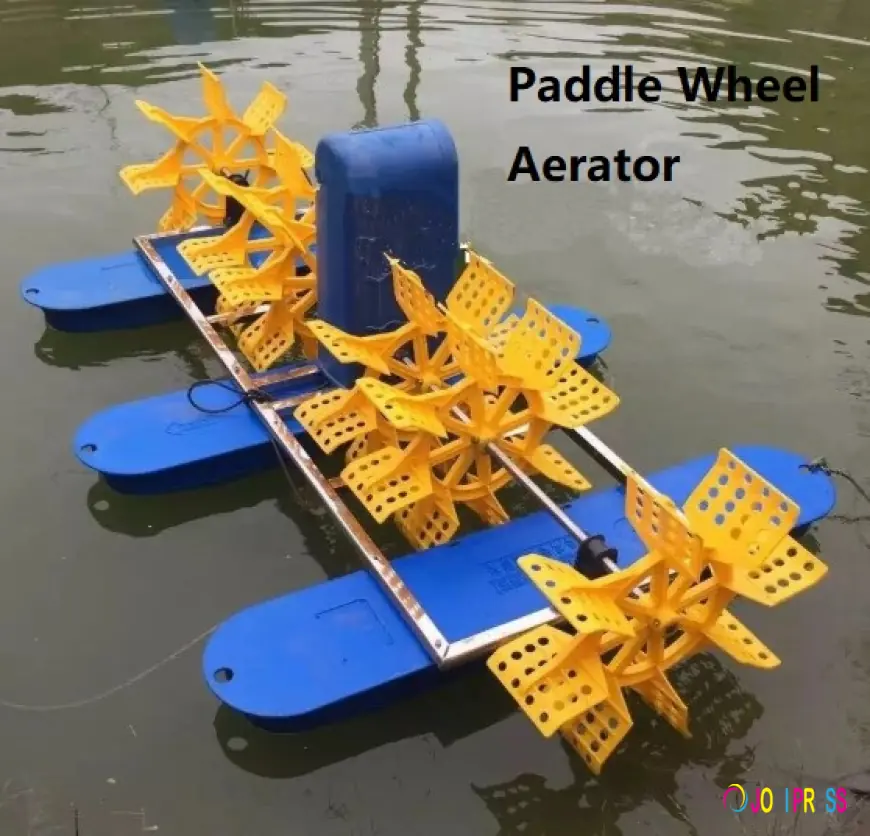
Aquaculture farms operating in remote areas often need aeration equipment that can work reliably without depending entirely on grid electricity. In such situations, a Multi Impeller Paddle Wheel Aerator Drove By Diesel can provide a practical option for maintaining water movement and oxygen circulation across larger ponds. For farms considering a Multi Impeller Paddle Wheel Aerator Drove By Diesel, the combination of diesel power and multiple impellers can be useful where flexible deployment, strong circulation, and independent operation are important. The right equipment can help operators manage pond conditions more effectively, especially when stocking densities are high or when electricity availability is limited. However, successful operation still depends on pond size, water depth, stocking levels, weather conditions, and an appropriate aeration strategy.
Independent Power for Remote Aquaculture Sites
Many aquaculture farms are located away from urban areas, where access to stable electrical infrastructure may be limited. This can create challenges for operators who need to maintain aeration for extended periods.
Diesel-powered aeration equipment provides an alternative by using an independent engine as the primary power source. This can make the system suitable for ponds located in remote agricultural areas, where connecting to a reliable electrical supply may be difficult or expensive.
The ability to operate independently can also be useful during power interruptions. In aquaculture, unexpected downtime may create problems if oxygen levels fall rapidly, particularly during hot weather or periods of high stocking density.
For this reason, some farm operators prefer equipment that can be started and operated according to immediate pond requirements. A diesel-driven system can provide additional flexibility when power infrastructure is not always available.
Of course, fuel consumption, engine maintenance, and operating costs should be considered before purchase. Farms should evaluate the expected running schedule and local fuel availability to determine whether diesel operation fits their long-term management plan.
Multiple Impellers for Wider Water Movement
The use of multiple impellers can help distribute water movement across a broader area. Instead of concentrating circulation around a single point, the rotating components can create several zones of surface disturbance and water flow.
This may be particularly useful for larger ponds where one aeration point cannot effectively influence the entire culture area. Proper placement can help reduce stagnant sections and encourage more consistent circulation.
Water movement also supports the exchange between surface water and deeper layers. While the exact circulation pattern depends on pond structure and equipment configuration, continuous movement can contribute to a more balanced aquatic environment.
Operators should consider pond dimensions when deciding how many units are needed. The shape of the pond, water depth, stocking density, and desired circulation pattern can all influence equipment placement.
Multiple aeration units may be arranged strategically to improve coverage. However, positioning should be planned carefully to avoid unnecessary interference between water currents and to ensure that the system operates efficiently.
ChinaAerator and Practical Pond Management
For aquaculture operators, aeration equipment is only one part of a broader water management system. Feeding schedules, stocking density, water exchange, temperature, and dissolved oxygen all affect the overall condition of a pond.
A diesel-powered paddle wheel system can provide valuable circulation support, but operators should still monitor water quality regularly. Dissolved oxygen measurements can help identify periods when additional aeration may be required.
Fish and shrimp behavior can also provide useful information. Changes in feeding activity, unusual movement, or animals gathering near the water surface may indicate that pond conditions need closer attention.
Operating schedules can be adjusted according to weather and production conditions. During hot periods, oxygen demand may increase, while nighttime conditions can create additional challenges because photosynthesis stops after sunset.
By combining equipment operation with regular observation, farmers can develop a more responsive approach to pond management.
Maintenance for Reliable Diesel Operation
Diesel-powered equipment requires consistent maintenance to remain dependable. Before starting a busy production season, operators should inspect the engine, fuel system, belts, bearings, impellers, floats, and structural components.
The engine should be checked according to the manufacturer's recommended maintenance schedule. Oil levels, filters, cooling systems, and fuel quality can all influence operating reliability.
The impeller section also deserves regular attention. Accumulated debris, wear, or damaged components may affect water movement and reduce overall performance.
Operators should also inspect the floating structure and connection points. These parts are exposed to water, sunlight, and changing weather conditions, so regular checks can help identify potential issues early.
Keeping replacement parts available can further reduce downtime. For farms operating multiple units, establishing a simple maintenance record may help staff track inspections and service requirements more efficiently.
Choosing Equipment for Long-Term Farm Needs
Selecting an aeration system should begin with a clear understanding of the farm's operating conditions. Buyers should consider pond size, water depth, species, stocking density, expected oxygen demand, fuel availability, and the distance between ponds.
For remote farms, the ability to operate without grid electricity may be a major advantage. For larger operations, multiple impellers can provide broader circulation and allow equipment placement to be adapted to different pond layouts.
Energy efficiency should also be considered. Although diesel systems can offer independent operation, fuel costs may become a significant part of long-term expenses when equipment runs for many hours.
Farm operators should therefore compare expected operating requirements with equipment capacity and maintenance needs before making a purchasing decision.
What's Your Reaction?
 Like
0
Like
0
 Dislike
0
Dislike
0
 Love
0
Love
0
 Funny
0
Funny
0
 Angry
0
Angry
0
 Sad
0
Sad
0
 Wow
0
Wow
0