





































Ceramic Plates by ZFCERA for Industrial Applications

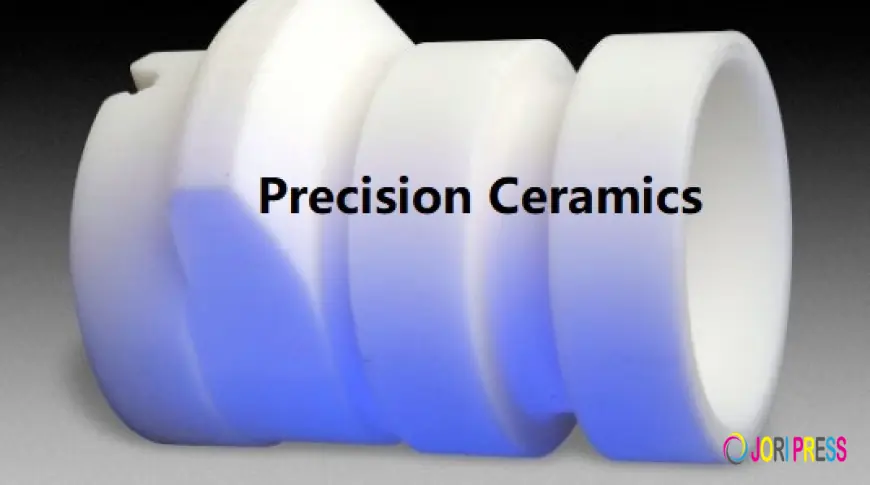
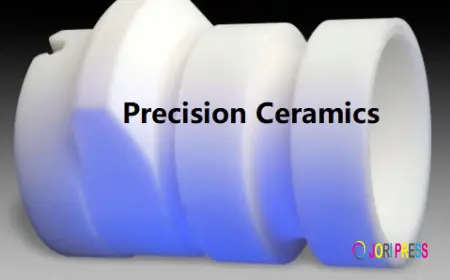
Industrial manufacturers increasingly require materials that can withstand demanding working environments while maintaining suitable structural and physical properties. Ceramic materials provide useful options for equipment components that require hardness, electrical insulation, thermal stability, and resistance to wear. During the development of precision machinery and specialized equipment, Ceramic Plates can serve as important structural and functional components. Selecting appropriate Ceramic Plates involves evaluating material composition, dimensional accuracy, surface requirements, and compatibility with the intended application, allowing manufacturers to identify suitable solutions for different industrial production processes.
Material Options for Different Engineering Requirements
Ceramic materials are available in several compositions, each offering different characteristics for industrial applications. Alumina and zirconia are two commonly considered materials when developing structural ceramic components.
Alumina ceramics are widely used because of their hardness, electrical insulation properties, and resistance to wear. These characteristics make them suitable for equipment that requires stable insulating structures or components exposed to repeated surface contact.
Zirconia ceramics provide another option for applications requiring a combination of strength and fracture toughness. Their properties make them relevant to certain precision mechanical structures and components exposed to mechanical stress.
The choice between different ceramic compositions should depend on the actual working environment. Engineers need to consider temperature conditions, mechanical loading, chemical exposure, and the physical requirements of the finished component.
Understanding these differences before purchasing can help manufacturers avoid selecting materials that do not match their equipment requirements.
Industrial Applications in Modern Manufacturing
Ceramic structural components are used across multiple manufacturing sectors because their properties can address requirements that conventional materials may not always satisfy.
In electronic equipment, insulating ceramic components can help separate conductive elements and support internal electrical structures. Their insulation characteristics are particularly relevant to assemblies that require electrical separation.
In industrial machinery, ceramic components may be incorporated into supporting structures, wear-resistant surfaces, and mechanical assemblies. Their hardness can be useful in applications involving friction and repeated contact.
Chemical processing equipment represents another potential application area. Certain ceramic compositions provide resistance to specific chemical environments, making them worth evaluating for equipment exposed to corrosive substances.
Precision instruments and laboratory equipment may also use ceramic structural parts where dimensional stability and material consistency are important.
Although application requirements vary, successful integration generally depends on matching the ceramic material with the equipment's actual operating conditions.
ZFCERA: Customized Ceramic Manufacturing Solutions
The production of structural ceramic components involves several stages that influence the final product's characteristics. Depending on the selected material and manufacturing method, these stages may include powder preparation, forming, sintering, grinding, and precision machining.
During sintering, ceramic powders are heated under controlled conditions to develop a dense structure. Afterward, additional machining processes can be used to achieve specific dimensions, surface finishes, and structural features.
Customization is particularly important for manufacturers developing specialized equipment. Standard components may not always correspond with the installation space or mechanical structure of a particular product.
Customized manufacturing may involve adjustments to thickness, external profiles, hole positions, grooves, and surface treatments. Technical drawings provide useful references for discussing these requirements with suppliers.
ZFCERA provides ceramic material products for different industrial applications. Buyers can explore available structural ceramic options and discuss processing requirements according to their intended equipment designs.
Key Considerations Before Purchasing Ceramic Components
Selecting industrial ceramic components requires attention to several technical and manufacturing factors. A clear purchasing specification helps suppliers understand the intended application and determine whether a proposed material and design are appropriate.
Material selection: Compare alumina, zirconia, and other available ceramic compositions according to the required properties.
Dimensional requirements: Confirm the component's length, width, thickness, and acceptable dimensional tolerances.
Mechanical conditions: Evaluate the expected pressure, friction, impact, and other mechanical influences.
Surface finish: Determine whether the application requires polished surfaces, specific roughness characteristics, or additional machining.
Environmental compatibility: Consider operating temperature, moisture, and possible contact with chemicals.
Production requirements: Clarify whether the component needs special holes, grooves, profiles, or other customized features.
Sample testing can provide additional information before mass production. By installing sample components in the intended equipment, engineering teams can evaluate dimensional compatibility and identify possible design adjustments.
The Growing Role of Ceramics in Precision Equipment
Manufacturing technology continues to develop toward more specialized equipment structures and increasingly detailed component requirements. This creates opportunities for ceramic materials in applications where insulation, wear resistance, and mechanical stability are important.
Electronic equipment manufacturers may require insulating components with carefully controlled dimensions. Automation equipment producers may evaluate ceramic parts for mechanical support or repeated-contact applications. Specialized industrial machinery may also use ceramic structures where conventional materials are less suitable for the operating environment.
Another important development is the demand for customized manufacturing. Different equipment designs may require particular geometries, surface finishes, and material compositions. Suppliers with suitable processing capabilities can help customers evaluate these requirements during product development.
For purchasing teams, early communication with ceramic manufacturers can make technical evaluation more efficient. Sharing application conditions, engineering drawings, and dimensional expectations helps establish clearer product specifications.
Whether a project involves electrical insulation, mechanical support, precision instruments, or specialized industrial machinery, choosing appropriate ceramic components is an important part of equipment development.
What's Your Reaction?
 Like
0
 Dislike
0
 Love
0
 Funny
0
 Angry
0
 Sad
0
 Wow
0