






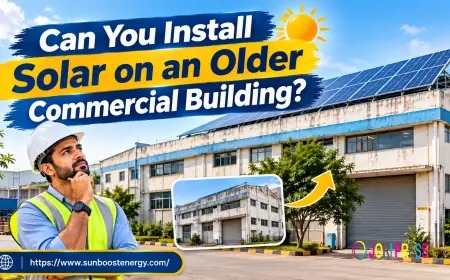































Can You Install Solar on an Older Commercial Building?
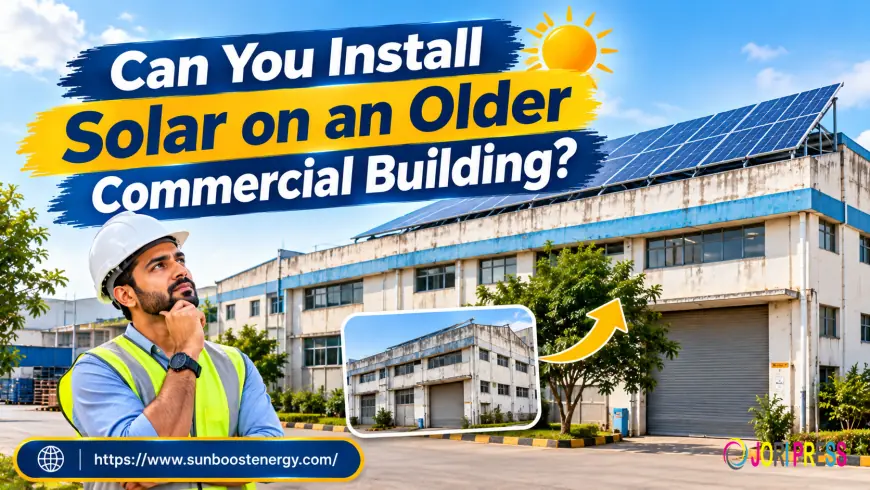
The age of a commercial building does not automatically make it unsuitable for solar. Many older factories, warehouses, offices, schools, hospitals and retail properties can support solar panels successfully. The key is checking whether the roof, structure, and electrical system are ready for the installation.
Before recommending a system, a solar provider should assess the building’s present condition, remaining roof life, available space, electricity consumption, and future energy needs. In some cases, repairs or upgrades may be required before the panels are installed.
Start With a Structural Assessment
Solar panels, mounting structures, cables, and related equipment add weight to the building. The roof must be able to carry this additional load safely, along with wind and weather-related forces.
Older buildings may have weakened structural members, corrosion, water damage, cracked concrete, or previous modifications that are not shown in the original plans. A qualified structural professional may need to inspect the property and confirm whether the proposed installation is suitable.
The assessment should consider:
- Roof material and age
- Structural condition
- Existing damage or corrosion
- Proposed panel and mounting loads
- Wind exposure
- Drainage and water accumulation
- Safe access for installation and maintenance
A visual roof inspection alone may not be enough for a large or ageing commercial property.
Check the Roof’s Remaining Life
Solar panels are intended to remain in place for many years. Installing them on a roof that may need replacement soon can create additional costs because the panels may need to be removed and reinstalled during future roof work.
Before installing a Commercial Solar System, check for leaks, loose sheets, damaged waterproofing, rust, cracks and weak mounting areas.
If the roof is nearing the end of its serviceable life, it may be more practical to repair or replace it before the solar installation. Coordinating both projects can prevent disruption later and provide a stronger base for the mounting system.
Older Roofing Materials Need Special Attention
Older factories and warehouses may have metal sheets, concrete slabs, or fibre-cement roofing. Each material requires a suitable mounting approach.
Suspected asbestos-containing roofing must be treated with particular care. It should not be drilled, cut or disturbed without proper identification, risk assessment and handling by appropriately trained professionals under applicable safety requirements.
The solar proposal should clearly explain how the panels will be mounted, how roof penetrations will be managed, and how water leakage will be prevented.
Review the Existing Electrical System
The roof is only one part of the assessment. An older commercial building may also have outdated switchboards, undersized cables, ageing protection equipment or limited capacity for connecting solar.
A technical inspection may identify whether upgrades are needed to:
- Main switchboards
- Cables and protection devices
- Earthing systems
- Metering equipment
- Inverter connection points
- Electrical distribution arrangements
These upgrades can increase the project cost, but they may also be necessary for safe and reliable operation. The final quotation should separate solar installation costs from any building-specific electrical upgrades.
Choose the System Size From Actual Business Usage
A large roof does not necessarily mean the business needs the largest possible solar installation. The system should be based on electricity bills, daytime demand, operating hours, available roof space, and applicable connection requirements.
A factory operating machinery throughout the day may use solar electricity differently from a warehouse with a low daytime load. Reviewing the right solar system size for business helps avoid choosing capacity based only on roof area or a standard package.
Businesses should provide recent electricity bills and explain any planned changes, such as new machinery, longer operating hours, electric vehicle charging or facility expansion.
Consider Shade and Rooftop Obstructions
Older commercial roofs often contain ventilation units, water tanks, skylights, exhaust systems, antennas, and unused equipment. These features can reduce the usable installation area or cast shadows across the panels.
A detailed site survey should map:
- Permanent and seasonal shading
- Safe distances from roof edges
- Access paths for maintenance
- Fire and emergency access requirements
- Drainage channels
- Existing rooftop equipment
- Suitable locations for inverters and cables
Panels should not block drainage, roof access, or equipment that may require future servicing.
Plan the Installation Around Business Operations
Solar installation can usually be planned to reduce disruption, but the contractor needs to understand how the site operates.
Factories may have restricted production areas; warehouses may require vehicle access, and hospitals or offices may have sensitive operating hours. Electrical shutdowns, lifting equipment, worker access, and material storage should be discussed before work begins.
A clear installation plan should explain the expected timeline, access requirements, safety arrangements, and any temporary power interruption.
Are Commercial Solar Benefits Still Available on an Older Building?
Yes. When the property is suitable and the system is designed around the business load, an older building can receive many of the same advantages as a newer property.
The main Commercial Solar Panels Benefits may include lower daytime grid consumption, better use of available roof space and greater control over long-term electricity costs.
However, actual savings depend on electricity usage, solar generation, tariffs, system cost, financing and maintenance. Businesses should expect a site-specific estimate instead of a guaranteed saving or fixed payback period.
When Might an Older Building Not Be Suitable?
Solar installation may need to be delayed or reconsidered when:
- The roof is structurally weak
- Major roof replacement is due soon
- Hazardous roofing material cannot be managed safely
- Usable roof space is heavily shaded
- The electrical system needs substantial reconstruction
- The building has unresolved ownership or approval issues
- The expected generation does not justify the project cost
If rooftop installation is unsuitable, the business may be able to consider options such as a solar carport, canopy or ground-mounted system, subject to space and project feasibility.
Get the Building Assessed Before Requesting a Final Quote
An older commercial building can often support solar, but the decision should follow a proper site, roof and electrical assessment. Completing these checks early helps identify repair costs, reduce installation risks, and produce a more accurate proposal.
Sunboost Energy provides commercial solar consultation, system design and installation support for Indian businesses. The assessment considers your electricity use, building conditions, available installation area, and future requirements before a system is recommended.
What's Your Reaction?
 Like
0
 Dislike
0
 Love
0
 Funny
0
 Angry
0
 Sad
0
 Wow
0