








































BMW Engine N57: Performance, Reliability, and Common Problems
Discover everything about the BMW engine N57, including specifications, performance, reliability, common problems, maintenance tips, and buying advice.

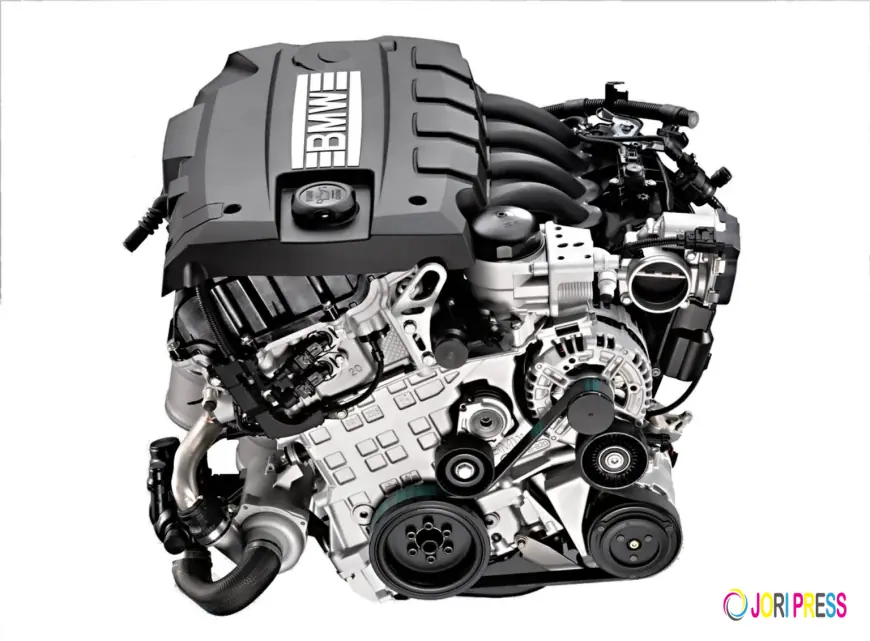
When discussing modern diesel performance, the BMW engine lineup has consistently stood out for combining power, fuel efficiency, and long-distance comfort. Among the company's most respected diesel powerplants is the N57 engine, a turbocharged six-cylinder diesel that has powered numerous BMW models since its introduction.
Designed to replace the earlier M57 engine, the N57 introduced improved fuel injection technology, better emissions control, and higher power output while maintaining impressive fuel economy. Whether you're considering purchasing a BMW equipped with this engine or simply want to understand what makes it so popular, this guide covers everything you need to know.
What Is the BMW N57 Engine?
The BMW engine known as the N57 is a 3.0-liter inline-six turbocharged diesel engine developed by BMW. Introduced in 2008, it quickly became one of the brand's flagship diesel engines, delivering an excellent balance of refinement, torque, and efficiency.
The engine was produced in several versions, ranging from a single-turbo setup to twin-turbo and even tri-turbo configurations. These variations allowed BMW to offer different performance levels while maintaining impressive fuel economy across multiple vehicle segments.
Its smooth power delivery and outstanding reliability made the N57 a favorite among drivers who regularly travel long distances.
BMW Models Equipped with the N57 Engine
The BMW engine N57 appeared in a wide variety of BMW vehicles, including:
- BMW 3 Series (330d, 335d)
- BMW 4 Series
- BMW 5 Series (530d, 535d, 550d)
- BMW 6 Series
- BMW 7 Series
- BMW X3
- BMW X4
- BMW X5
- BMW X6
Some versions were also supplied to luxury vehicle manufacturers under partnership agreements, further proving the engine's versatility and engineering quality.
Key Specifications
Here are the main specifications of the BMW N57 engine:
- Engine Type: Inline 6-cylinder diesel
- Displacement: 2,993 cc
- Fuel System: Common Rail Direct Injection
- Turbocharger: Single, Twin, or Triple Turbo (depending on model)
- Power Output: Approximately 204 HP to 381 HP
- Torque: Up to 740 Nm
- Fuel Type: Diesel
- Emission Standards: Euro 5 and Euro 6 (depending on production year)
These specifications demonstrate why the BMW engine N57 became one of the most capable diesel engines in BMW's history.
Performance That Impresses
One of the biggest strengths of the BMW engine N57 is its exceptional torque. Unlike many petrol engines that require high RPM to reach maximum performance, the N57 delivers strong pulling power from low engine speeds.
This characteristic makes acceleration effortless while improving towing capability and highway driving comfort.
The higher-performance versions, particularly the tri-turbo models, can accelerate remarkably quickly while still returning impressive fuel economy figures. Drivers often appreciate the smooth operation, quiet cabin experience, and confidence during overtaking.
Whether installed in a luxury sedan or a larger SUV, the engine provides a refined driving experience.
Fuel Efficiency
Fuel economy remains one of the main reasons many buyers choose a BMW engine powered by the N57.
Thanks to advanced common rail fuel injection, efficient turbocharging, and intelligent engine management systems, the N57 can achieve excellent fuel consumption for its size and performance.
Actual fuel economy depends on driving habits, maintenance, road conditions, and vehicle weight, but many owners report strong efficiency during motorway driving.
This combination of performance and economy helped the N57 become one of BMW's most successful diesel engines.
Reliability of the BMW N57 Engine
Overall, the BMW engine N57 has earned a positive reputation for durability when maintained correctly.
Many examples have exceeded 200,000 miles with proper servicing.
Regular oil changes using manufacturer-approved oil, timely replacement of filters, and preventive maintenance significantly improve engine lifespan.
Like every modern diesel engine, however, it has several known issues that owners should monitor.
Common BMW N57 Engine Problems
Although generally reliable, the N57 has several common concerns.
1. Timing Chain Wear
Timing chain wear is perhaps the most widely discussed issue affecting some versions of the N57.
Over time, the chain may stretch or the guides may wear, potentially causing rattling noises during startup.
Ignoring early warning signs can result in severe engine damage.
Routine inspections and early replacement can prevent costly repairs.
2. EGR Valve Problems
The Exhaust Gas Recirculation (EGR) system may accumulate carbon deposits over time.
A blocked EGR valve can lead to:
- Rough idling
- Reduced fuel economy
- Warning lights
- Reduced engine performance
Regular cleaning helps minimize this issue.
3. Diesel Particulate Filter (DPF)
Like many modern diesel engines, the BMW engine N57 uses a Diesel Particulate Filter to reduce emissions.
Vehicles driven mainly on short trips may experience DPF clogging because regeneration cannot complete effectively.
Longer motorway journeys often help the system regenerate naturally.
4. Turbocharger Wear
Turbochargers generally last a long time but may eventually wear, especially on higher-mileage vehicles.
Symptoms include:
- Loss of power
- Whistling noises
- Increased exhaust smoke
- Reduced acceleration
Routine servicing and proper oil quality help extend turbocharger life.
5. Intake Carbon Build-Up
Carbon deposits may accumulate in the intake system over extended use.
Cleaning the intake components periodically helps maintain engine efficiency and throttle response.
Maintenance Tips for Long Engine Life
Proper maintenance is essential for maximizing the lifespan of any BMW engine, including the N57.
Recommended maintenance practices include:
- Change engine oil at regular intervals.
- Use high-quality diesel fuel.
- Replace air and fuel filters on schedule.
- Monitor timing chain noise.
- Keep the cooling system in excellent condition.
- Perform regular diagnostic scans.
- Allow the engine to warm before heavy acceleration.
- Drive long enough occasionally to support DPF regeneration.
These simple habits can significantly reduce repair costs over the long term.
Is the BMW N57 Engine Good for Tuning?
The BMW engine N57 has become highly popular among performance enthusiasts because of its strong internal design.
Professional ECU tuning can safely increase horsepower and torque while maintaining excellent drivability.
Many owners choose:
- Stage 1 ECU tuning
- Upgraded intercoolers
- Performance exhaust systems
- Improved intake components
However, modifications should always be performed by experienced specialists to maintain reliability and comply with local regulations.
Buying a Used BMW with the N57 Engine
If you're shopping for a used vehicle equipped with the BMW engine N57, inspect several key areas before making a purchase.
Look for:
- Complete service history
- Regular oil changes
- Timing chain inspection records
- DPF maintenance history
- Turbocharger condition
- Smooth cold starts
- No unusual engine noises
- No warning lights on the dashboard
A well-maintained example is usually a far better investment than one with an incomplete maintenance history.
Advantages of the BMW N57 Engine
The N57 offers numerous benefits that have made it popular worldwide.
Key advantages include:
- Strong low-end torque
- Excellent fuel efficiency
- Smooth inline-six operation
- High reliability with proper maintenance
- Wide parts availability
- Strong tuning potential
- Comfortable long-distance performance
- Proven engineering
These qualities continue to make the N57 desirable in the used vehicle market.
Final Thoughts
The BMW engine N57 remains one of the finest diesel engines BMW has ever produced. It successfully combines impressive performance, refined driving characteristics, and excellent fuel economy in a durable package. While common issues such as timing chain wear, EGR buildup, and DPF maintenance deserve attention, they can often be managed through regular servicing and preventive care.
For buyers seeking a dependable six-cylinder diesel, the N57 continues to be an excellent choice. Whether installed in a sporty sedan, a luxurious touring car, or a capable SUV, this engine delivers the smooth power, efficiency, and longevity that have become hallmarks of BMW engineering. With proper maintenance, the BMW N57 can provide many years of reliable service and an enjoyable driving experience.
Frequently Asked Questions
Is the BMW N57 engine reliable?
Yes. The BMW N57 is generally considered reliable when serviced regularly and maintained according to manufacturer recommendations.
What is the biggest problem with the BMW N57 engine?
Timing chain wear is one of the most commonly reported issues, especially on higher-mileage vehicles.
How long does the BMW N57 engine last?
With proper maintenance, many N57 engines exceed 200,000 miles and continue to perform reliably.
Is the BMW N57 engine good for performance?
Absolutely. The engine delivers strong torque, smooth acceleration, and excellent tuning potential, making it popular among enthusiasts.
Should I buy a used BMW with an N57 engine?
Yes, provided it has a documented service history, has been well maintained, and passes a thorough mechanical inspection before purchase.
What's Your Reaction?
 Like
0
Like
0
 Dislike
0
Dislike
0
 Love
0
Love
0
 Funny
0
Funny
0
 Angry
0
Angry
0
 Sad
0
Sad
0
 Wow
0
Wow
0