











































Migraine vs. Tension Headache: How to Recognize the Difference
Learn the differences between migraine and tension headaches, including symptoms, triggers, treatment options, and when to consult a neurologist.

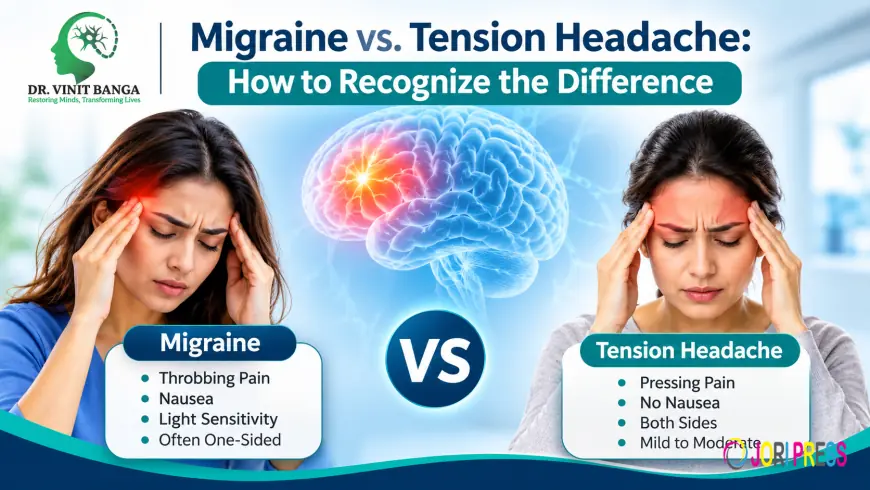
Headaches are among the most common health complaints, affecting people of different age groups. However, not every headache has the same cause, symptoms, or treatment requirements. Two common types are migraine and tension-type headache. Although both can cause recurring head pain and interfere with daily activities, they differ in their characteristics and associated symptoms.
Understanding the difference between migraine and tension headache can help individuals recognize their symptoms, identify possible triggers, and seek appropriate medical advice. For people experiencing frequent or severe headaches, consulting a qualified neurologist can help establish an accurate diagnosis and guide treatment.
What Is a Migraine?
A migraine is a neurological disorder characterized by recurring headache attacks and associated symptoms. The pain is often moderate to severe and may affect one side of the head, although it can also occur on both sides.
A migraine attack may last between 4 and 72 hours when untreated. In addition to headache, individuals may experience nausea, vomiting, sensitivity to light, and sensitivity to sound.
Some people also experience migraine aura, which can involve temporary visual disturbances, tingling sensations, or speech-related symptoms before or during a headache.
Common migraine symptoms include:
-
Moderate to severe throbbing or pulsating head pain.
-
Pain that may affect one or both sides of the head.
-
Nausea or vomiting.
-
Sensitivity to bright lights and loud sounds.
-
Worsening pain during routine physical activity.
-
Visual disturbances or sensory changes in some individuals.
Migraine attacks can significantly affect productivity, sleep, and quality of life.
What Is a Tension-Type Headache?
A tension-type headache is another common headache disorder. It generally causes a dull, pressing, or tightening sensation around the forehead, temples, or back of the head.
Unlike migraine, tension-type headaches usually do not cause nausea or vomiting. The pain is generally mild to moderate and does not typically worsen with routine physical activity.
Common symptoms include:
-
A pressing or tightening sensation around the head.
-
Pain affecting both sides of the head.
-
Discomfort around the forehead, temples, or neck.
-
Mild to moderate headache intensity.
-
Tenderness in the scalp, neck, or shoulder muscles in some individuals.
-
Usually no nausea or vomiting.
Tension-type headaches may last from 30 minutes to several days, depending on whether they are episodic or chronic.
Migraine vs. Tension Headache: Key Differences
Although both conditions cause head pain, several features can help distinguish them.
| Feature | Migraine | Tension-Type Headache |
|---|---|---|
| Pain type | Often throbbing or pulsating | Pressing or tightening |
| Pain location | Often one-sided, but may be bilateral | Usually both sides |
| Pain intensity | Moderate to severe | Usually mild to moderate |
| Duration | 4–72 hours when untreated | 30 minutes to 7 days |
| Nausea | Common in some attacks | Usually absent |
| Light sensitivity | Common | May occur |
| Sound sensitivity | Common | May occur |
| Physical activity | Often worsens pain | Usually does not worsen pain |
| Aura | May occur | Not a typical feature |
These differences are helpful, but symptoms can overlap. A medical evaluation may be necessary to distinguish between the two conditions.
What Triggers Migraine and Tension Headaches?
Both headache disorders can be influenced by lifestyle factors, environmental conditions, and individual health patterns. However, their triggers may differ.
Common Migraine Triggers
Migraine triggers vary from person to person. Some commonly reported factors include:
-
Irregular sleep patterns or inadequate sleep.
-
Skipping meals or prolonged fasting.
-
Dehydration.
-
Hormonal fluctuations.
-
Stress and changes in stress levels.
-
Bright lights, loud sounds, or strong smells.
-
Certain foods or beverages in susceptible individuals.
-
Excessive physical or mental strain.
Identifying individual triggers through a headache diary can help patients and doctors understand possible patterns.
Common Tension Headache Triggers
Tension-type headaches may be associated with:
-
Emotional stress and anxiety.
-
Poor posture, particularly during prolonged desk work.
-
Neck and shoulder muscle tension.
-
Long periods of screen use.
-
Inadequate sleep.
-
Fatigue and overexertion.
-
Skipping meals or dehydration.
Maintaining good posture, taking regular breaks, staying hydrated, and following a consistent sleep schedule may help reduce some headache episodes.
How Can You Tell Whether Your Headache Is a Migraine or Tension Headache?
The nature of the pain and the symptoms accompanying it can provide useful clues.
For example, a throbbing headache accompanied by nausea and sensitivity to light may suggest migraine. In contrast, a pressing sensation around both sides of the head without nausea may be more consistent with tension-type headache.
However, these symptoms alone cannot confirm a diagnosis.
A healthcare professional may ask about:
-
When the headaches first started.
-
How frequently they occur.
-
How long each episode lasts.
-
Where the pain is located.
-
Whether the pain is throbbing, pressing, or tightening.
-
Whether nausea, visual changes, or sensitivity to light occur.
-
Possible lifestyle or environmental triggers.
-
Medications taken for headache relief.
This information helps the doctor understand the headache pattern and determine whether further evaluation is required.
How Are Migraine and Tension Headaches Treated?
Treatment depends on the type of headache, frequency of episodes, symptom severity, and individual medical history.
Migraine Treatment
Migraine management may include acute medications to relieve attacks and preventive treatments to reduce their frequency and severity.
Depending on the patient's condition, a doctor may recommend:
-
Appropriate pain-relieving medications.
-
Migraine-specific acute treatments, such as triptans when suitable.
-
Preventive medications for frequent or disabling attacks.
-
Regular sleep and meal schedules.
-
Adequate hydration.
-
Identification and management of individual triggers.
Patients should avoid frequently taking pain-relieving medicines without medical guidance, as medication overuse can contribute to additional headache problems.
Tension-Type Headache Treatment
Management of tension-type headaches may involve:
-
Appropriate pain-relieving medication when recommended.
-
Stress-management techniques.
-
Regular physical activity.
-
Gentle neck and shoulder exercises.
-
Posture correction.
-
Adequate sleep and hydration.
-
Relaxation techniques and regular breaks from prolonged screen use.
People with frequent or chronic tension-type headaches may require a more individualized treatment plan.
When Should You Consult a Migraine Specialist?
Occasional headaches may improve with rest and appropriate self-care. However, recurring headaches should not be ignored, particularly when they interfere with work, sleep, or everyday activities.
Consider consulting a neurologist if you experience:
-
Frequent or increasingly severe headaches.
-
Repeated migraine attacks.
-
Headaches that do not respond adequately to usual treatment.
-
Nausea or vomiting associated with recurring headaches.
-
Visual or sensory disturbances.
-
Headaches that interfere with daily activities.
-
Frequent use of pain-relieving medications.
A migraine specialist in Faridabad can evaluate recurring headache patterns, identify possible contributing factors, and recommend an appropriate management approach.
Important: A sudden, extremely severe headache, particularly one that reaches maximum intensity within seconds, requires emergency medical evaluation. Seek urgent care if a headache occurs with sudden weakness, facial drooping, difficulty speaking, new vision loss, confusion, fever with neck stiffness, or loss of consciousness. Do not assume these symptoms are caused by migraine.
Can Migraine and Tension Headaches Be Prevented?
Although not all headaches can be prevented, certain lifestyle practices may help reduce their frequency.
Consider these practical measures:
-
Maintain regular sleep: Follow a consistent sleeping and waking schedule.
-
Stay hydrated: Drink sufficient water throughout the day.
-
Avoid skipping meals: Maintain regular meal timings.
-
Manage stress: Practise relaxation techniques, meditation, or other suitable activities.
-
Improve posture: Maintain proper neck and back alignment during desk work.
-
Limit screen strain: Take regular breaks when using computers or mobile devices.
-
Track headache patterns: Record symptoms, duration, possible triggers, and medications used.
These measures can support headache management, although their effectiveness varies between individuals.
Finding a Trusted Neurologist in Faridabad for Headache Management
Choosing the right specialist is important when headaches become frequent, severe, or difficult to manage.
When searching for a trusted neurologist in Faridabad, consider the doctor's qualifications, clinical experience, expertise in headache disorders, communication style, and approach to individualized treatment.
A neurologist can assess whether the symptoms are related to migraine, tension-type headache, medication overuse, or another underlying condition.
People with recurring migraine attacks may benefit from consulting a specialist experienced in migraine diagnosis and management. Patients with unusual or sudden neurological symptoms may require urgent assessment rather than routine headache treatment.
Conclusion
Migraine and tension-type headaches are two common headache disorders, but they differ in pain characteristics, associated symptoms, duration, and management approaches.
Migraine often involves moderate to severe throbbing pain, nausea, and sensitivity to light or sound. Tension-type headache generally causes mild to moderate pressing or tightening pain, usually without nausea or vomiting.
Recognizing these differences can help individuals understand their symptoms and seek appropriate medical advice. If headaches are frequent, worsening, or affecting everyday life, consulting a qualified neurologist can help determine the cause and guide an appropriate treatment plan.
Taking headache symptoms seriously and addressing contributing factors can be an important step toward better long-term headache management.
What's Your Reaction?
 Like
0
 Dislike
0
 Love
0
 Funny
0
 Angry
0
 Sad
0
 Wow
0