





































Best Practices for Using a Chamfer Tool in Manufacturing
Learn the best practices for using a chamfer tool in manufacturing. Improve machining accuracy, tool life, edge quality, and overall production efficiency.

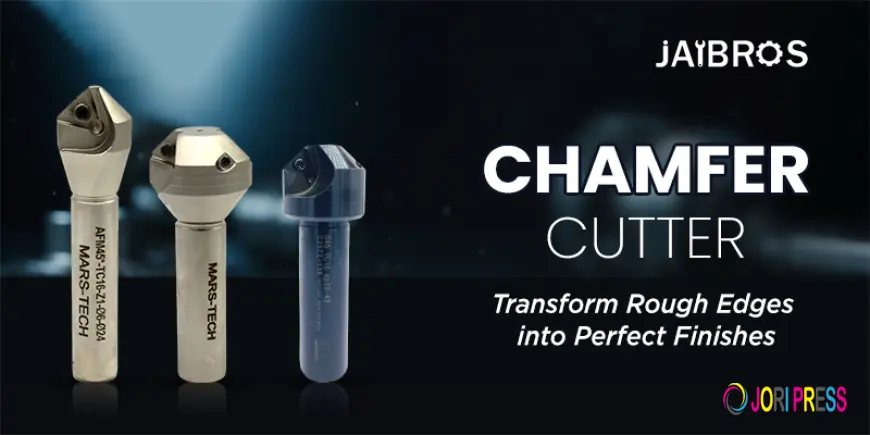
How to Achieve Better Results with a Chamfer Tool
Introduction
Precision and consistency are critical in modern manufacturing. Every component produced in a machine shop must meet strict dimensional and quality standards. While cutting, drilling, and milling operations often receive the most attention, edge finishing is equally important. Poorly finished edges can affect assembly, safety, product appearance, and overall performance.
One of the most effective solutions for creating clean, precise edges is the use of a chamfer tool. This essential machining accessory helps manufacturers remove sharp edges, reduce burr formation, and improve the overall quality of finished components. However, achieving the best results requires more than simply selecting a tool and running a machine. Manufacturers must follow proven practices to maximise efficiency, accuracy, and tool life.
Understanding the Importance of Chamfering
Chamfering is the process of creating a bevelled edge between two surfaces. This operation is performed for several reasons, including improving part appearance, eliminating sharp edges, enhancing safety, and simplifying assembly.
Proper chamfering provides several benefits:
-
Reduces burrs and sharp corners
-
Improves component fit and assembly
-
Enhances product aesthetics
-
Minimizes edge chipping
-
Improves operator safety
A quality chamfer tool ensures these benefits are achieved consistently across production runs.
Select the Right Tool for the Application
The first step toward successful chamfering is selecting the correct tooling solution. Different materials, geometries, and machining requirements demand different tool designs.
Factors to consider include:
Material Type
Materials such as aluminum, stainless steel, cast iron, and hardened steel each require specific cutting geometries and coatings.
Chamfer Angle
Common chamfer angles include 30°, 45°, and 60°. The required angle should match the engineering drawing and application requirements.
Machine Compatibility
The tool should be suitable for the machine being used, whether it is a milling machine, turning center, or machining center.
Choosing the right chamfering tool helps improve cutting performance and reduces unnecessary tool wear.
Use Proper Cutting Speeds and Feed Rates
One of the most common causes of poor chamfering results is incorrect machining parameters. Excessive speed can generate heat and accelerate wear, while low speeds may reduce productivity.
To achieve optimal results:
-
Follow manufacturer recommendations
-
Adjust speeds according to material hardness
-
Optimize feed rates for smooth cutting
-
Monitor cutting performance regularly
Proper parameter selection extends tool life and improves surface finish.
Ensure Correct Tool Setup
Accurate setup is essential for achieving consistent chamfer dimensions. Improper alignment can lead to uneven edges, vibration, and poor-quality finishes.
Best setup practices include:
-
Verify tool alignment before machining
-
Ensure secure tool clamping
-
Check spindle runout
-
Confirm program accuracy
A properly installed chamfer tool delivers more accurate and repeatable results.
Monitor Tool Wear Regularly
Even high-quality tooling experiences wear over time. Ignoring wear can lead to inconsistent chamfer dimensions and reduced surface quality.
Signs of wear include:
-
Poor surface finish
-
Increased cutting forces
-
Burr formation
-
Dimensional inconsistencies
Routine inspection allows operators to replace tools before quality issues occur.
Utilize CNC Automation for Consistency
Modern manufacturers increasingly rely on CNC automation to improve productivity and repeatability.
A chamfer tool cnc setup offers several advantages:
-
Consistent edge dimensions
-
Reduced operator involvement
-
Faster production cycles
-
Improved process control
-
Better repeatability
Automated chamfering helps manufacturers maintain quality standards while increasing throughput.
Apply Effective Coolant Strategies
Heat generation is a major factor affecting machining performance and tool life. Proper coolant application reduces cutting temperatures and improves chip evacuation.
Benefits of coolant usage include:
-
Reduced tool wear
-
Better surface finish
-
Improved dimensional accuracy
-
Extended tooling life
Manufacturers should ensure coolant reaches the cutting zone effectively, especially during high-speed machining operations.
Optimize Back Chamfering Operations
Many components require chamfering in areas that are difficult to access. In such situations, a back chamfer tool provides an efficient solution.
Back chamfering is commonly used in:
-
Hydraulic components
-
Aerospace parts
-
Valve bodies
-
Precision machined housings
To achieve successful results:
-
Select the correct tool geometry
-
Verify machine programming carefully
-
Use stable machining conditions
-
Inspect finished features thoroughly
Proper back chamfering techniques reduce secondary operations and improve efficiency.
Follow Best Practices for Lathe Applications
Turning operations frequently require edge finishing to improve component quality. A chamfer tool lathe setup allows operators to create accurate chamfers during turning processes.
Recommended practices include:
-
Use rigid tool holders
-
Maintain proper tool height
-
Optimize cutting parameters
-
Inspect edge quality regularly
Integrating chamfering into turning operations reduces cycle time and improves productivity.
Improve Process Consistency Through Standardization
Consistency is essential in manufacturing. Establishing standardised procedures helps maintain quality across multiple shifts and operators.
Standardisation should include:
-
Tool selection guidelines
-
Machining parameter documentation
-
Inspection procedures
-
Maintenance schedules
When processes are standardised, manufacturers achieve better repeatability and reduced variation.
Common Chamfering Mistakes to Avoid
Using Incorrect Tool Geometry
A tool not designed for the application can cause poor edge quality and excessive wear.
Ignoring Tool Wear
Worn tools produce inconsistent chamfers and may damage workpieces.
Poor Programming
Incorrect CNC programming can result in dimensional errors and scrap parts.
Inadequate Cooling
Insufficient coolant increases heat generation and shortens tool life.
Improper Setup
Misalignment and instability often lead to vibration and poor surface finish.
Avoiding these mistakes helps improve machining efficiency and component quality.
Benefits of Following Chamfering Best Practices
Manufacturers that implement proper chamfering procedures often experience:
Improved Product Quality
Consistent edge finishing enhances component appearance and performance.
Reduced Scrap Rates
Accurate machining minimizes rejected parts and costly rework.
Longer Tool Life
Proper operating conditions reduce wear and extend tooling lifespan.
Increased Productivity
Efficient processes reduce downtime and improve throughput.
Better Customer Satisfaction
High-quality components help build stronger customer relationships.
Future of Chamfering in Manufacturing
As manufacturing technology continues to evolve, chamfering operations are becoming more advanced. Emerging developments include:
-
Smart tooling systems
-
Real-time wear monitoring
-
Automated tool compensation
-
Enhanced coating technologies
-
Industry 4.0 integration
These innovations will help manufacturers achieve even greater precision and efficiency in the future.
Conclusion
Effective edge finishing plays a crucial role in modern manufacturing. By following best practices such as selecting the correct tooling, optimising cutting parameters, monitoring wear, and standardising processes, manufacturers can significantly improve machining performance and product quality.
Whether using a traditional chamfering tool, a specialised back chamfer tool, or a chamfer tool lathe setup, proper application and maintenance are essential for achieving consistent results. Manufacturers that leverage advanced cnc tools and automated chamfer tool cnc solutions can further enhance productivity and precision.
At Jaibros, we provide high-quality machining solutions designed to meet the demands of modern manufacturing. Our commitment to precision, durability, and innovation helps businesses improve efficiency, reduce downtime, and achieve superior machining performance across a wide range of industrial applications.
FAQs
1. What is the purpose of a chamfer tool?
It is used to create beveled edges, remove burrs, improve safety, and enhance component assembly.
2. When should a back chamfer tool be used?
A back chamfer tool is ideal for chamfering the backside of holes and internal features that are difficult to access.
3. Can chamfering be performed on a lathe?
Yes. A chamfer tool lathe setup is commonly used for creating chamfers on turned components and threaded parts.
4. Why is coolant important during chamfering?
Coolant reduces heat, improves surface finish, extends tool life, and enhances machining performance.
5. How can CNC automation improve chamfering operations?
A chamfer tool cnc setup provides consistent edge quality, improved repeatability, faster production, and reduced operator intervention.
What's Your Reaction?
 Like
0
Like
0
 Dislike
0
Dislike
0
 Love
0
Love
0
 Funny
0
Funny
0
 Angry
0
Angry
0
 Sad
0
Sad
0
 Wow
0
Wow
0