




































Sensitive Teeth After Filling? Causes, Relief & When to Worry
Sensitive teeth after filling can happen for several reasons and may improve as your tooth settles. If discomfort continues, becomes severe, or occurs when biting, it is important to understand what may be causing it.
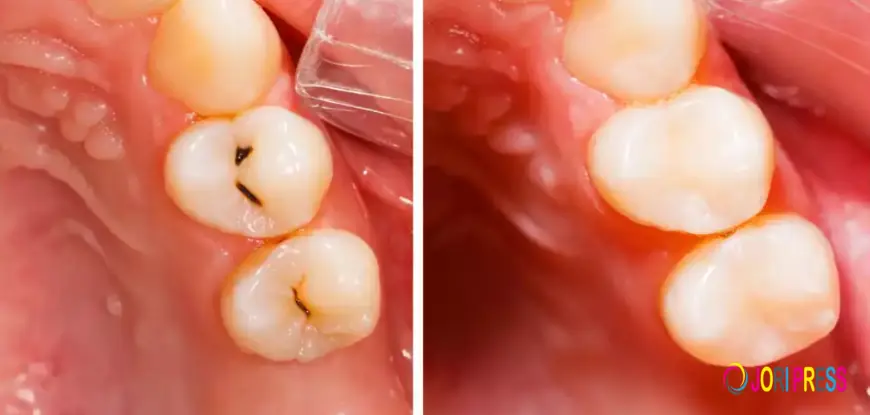
You just had a filling to fix a problem tooth, so noticing discomfort afterward can be confusing. A sip of cold water, a hot drink, or something sweet may suddenly make the treated tooth feel sensitive. Sometimes, you may also notice discomfort when chewing or biting down.
Sensitive Teeth After Filling can happen for several reasons, and mild sensitivity is often temporary. Understanding why it happens, what you can do at home, and which symptoms need professional attention can help you know what to expect during recovery.
What Is Tooth Sensitivity?
Tooth sensitivity is a sharp or uncomfortable reaction to certain triggers, such as cold drinks, hot foods, sweets, acidic foods, brushing, or pressure.
Normally, enamel and other tooth structures help protect the sensitive inner parts of a tooth. When these protective layers are affected, sensations can travel more easily toward the nerve.
After a dental filling, temporary irritation can also make a tooth more responsive than usual.
Why Is My Tooth Sensitive After a Filling?
There is not always one single reason for tooth sensitivity after a filling. The cause can depend on how deep the cavity was, which tooth was treated, and how the tooth responds after the procedure.
The Tooth Is Adjusting After Treatment
A filling requires the dentist to remove decay and prepare the tooth before restoring it. This treatment can temporarily irritate the tissues inside the tooth.
As the tooth settles, you may experience mild sensitivity, particularly when exposed to cold or pressure. In many cases, this gradually becomes less noticeable.
The Filling Was Close to the Nerve
If the cavity was deep, the decay may have been close to the pulp, the innermost part of the tooth containing nerves and blood vessels.
Removing deep decay and placing a restoration can temporarily irritate this area. As a result, the tooth may remain sensitive for a period after treatment.
A deep filling does not automatically mean there is a serious problem. The pattern and progression of the symptoms are more important.
Your Bite May Feel Different
A newly placed filling can sometimes slightly change the way your teeth come together.
If the filling is a little higher than the surrounding tooth surface, the treated tooth may receive extra pressure when you close your mouth or chew. This can make the tooth feel sensitive when biting.
Your dentist can check your bite and determine whether a small adjustment is needed.
Temperature Can Trigger Sensitivity
A recently treated tooth may temporarily react to temperature changes.
You might notice that the tooth is sensitive to hot coffee, tea, soup, or other warm foods. Cold drinks and ice cream may also cause a quick, sharp sensation.
Temperature sensitivity can occur while the tooth is recovering, especially when the original cavity was relatively deep.
Sweets May Cause a Reaction
Some people notice sensitivity to sweets after getting a filling.
Sweet foods can stimulate a sensitive tooth, particularly when the tooth's inner structures are still irritated. If the reaction continues or becomes more intense, mention it to your dentist.
The Original Cavity May Have Irritated the Tooth
Sometimes, the sensitivity is related to the cavity itself rather than the filling alone.
A cavity can irritate the inside of a tooth before treatment. Even after the decay has been removed and the tooth restored, the irritated tissue may need time to settle.
How Long Does Tooth Sensitivity After a Filling Usually Last?
One of the most common questions is, “How long does tooth sensitivity after a filling usually last?”
Mild sensitivity often improves over several days or a few weeks, although the exact duration varies from person to person.
The depth of the original cavity, the tooth involved, and the amount of irritation before and during treatment can all affect recovery.
The trend of your symptoms matters. If the sensitivity is gradually becoming less noticeable, that is generally more reassuring than symptoms that are becoming stronger or occurring more frequently.
If the sensitivity does not improve, becomes worse, or develops into significant pain, contact your dentist for an evaluation.
Why Are My Teeth Suddenly Sensitive?
If you are wondering, “Why are my teeth suddenly sensitive?”, recent dental work is only one possible explanation.
Other causes of sudden sensitivity can include:
- Enamel wear
- Gum recession
- Tooth decay
- Cracked or damaged teeth
- Teeth grinding
- Acidic foods and drinks
- Aggressive brushing
- Certain dental treatments
If several teeth suddenly become sensitive instead of just one recently treated tooth, the underlying cause may be different.
Why Are My Teeth So Sensitive?
If you are asking, “Why are my teeth so sensitive?”, start by identifying what triggers the discomfort.
Does it happen when you drink something cold? Does hot food cause a reaction? Are sweets a trigger? Does brushing or biting make it worse?
The location, trigger, duration, and intensity of the sensitivity can provide useful information.
Brief sensitivity that disappears quickly after a trigger is removed can be different from pain that lingers or occurs without an obvious trigger.
Why Do My Teeth Feel Sensitive?
If you are wondering, “Why do my teeth feel sensitive?”, the answer can depend on whether one tooth or several teeth are affected.
Sensitivity in multiple teeth may be associated with factors such as enamel wear, gum recession, acidic foods, or brushing habits. Sensitivity isolated to one recently filled tooth may be related to the dental treatment, the original cavity, or the way the filling contacts the opposing tooth.
Because several conditions can cause similar symptoms, persistent sensitivity should be evaluated rather than diagnosed based on symptoms alone.
What Helps Sensitive Teeth at Home?
Mild sensitive teeth may become easier to manage with a few simple habits while the tooth settles.
Avoid Very Hot or Cold Foods
If temperature changes trigger your symptoms, choose foods and drinks that are closer to room temperature for a while.
This can reduce stimulation of the sensitive tooth while it recovers.
Limit Your Known Triggers
If sweets, acidic foods, or very cold drinks consistently cause discomfort, reducing those triggers temporarily may make eating more comfortable.
You can gradually return to your normal diet as the sensitivity improves.
Brush Gently
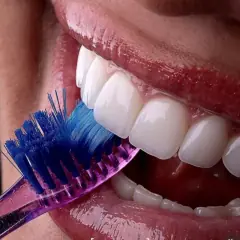
Use a soft-bristled toothbrush and avoid aggressive brushing around the sensitive area.
Brushing harder does not necessarily clean your teeth better. Excessive brushing pressure can contribute to enamel wear and gum irritation.
Try Toothpaste for Sensitive Teeth
Toothpaste specifically formulated for sensitive teeth may help reduce sensitivity when used consistently.
Follow the product directions and give it time to work. One use may not produce an immediate change.
Maintain Good Oral Hygiene
Do not stop brushing or flossing because your tooth feels sensitive.
Keeping the teeth and gums clean remains important after a filling and helps protect your overall oral health.
When Should Sensitive Teeth Be Checked by a Dentist?
Knowing when should sensitive teeth be checked by a dentist is important because not every case requires immediate treatment.
You should contact your dentist if you notice:
- Severe or persistent tooth pain
- Sensitivity that is getting worse
- Significant pain when biting or chewing
- Pain that lingers after hot or cold foods are removed
- Tooth pain that occurs without an obvious trigger
- Swelling around the tooth or gums
- A filling that feels unusually high
- Symptoms that interfere with eating or sleeping
These symptoms do not automatically mean that something is seriously wrong. However, they should be evaluated so your dentist can determine the cause.
Can a Filling Cause Pain When Biting?
Yes, a recently filled tooth can sometimes feel uncomfortable when biting.
One possible reason is that the filling slightly changes the contact between your teeth. If the treated tooth receives too much pressure when you bite, your dentist can check the bite and determine whether the filling needs adjustment.
However, biting pain can have other causes as well. A cracked tooth, irritation inside the tooth, or another dental problem may also cause discomfort when chewing.
If pain when biting continues, have the tooth examined rather than assuming it is simply normal sensitivity.
Is It Normal to Have Sensitive Teeth After a Dental Filling?
Mild sensitivity can occur after a dental filling, particularly when the original cavity was deep.
The tooth may temporarily react to cold, heat, sweets, or pressure while the tissues settle.
What matters is how the symptoms change over time. Sensitivity that gradually improves is generally less concerning than discomfort that becomes stronger, lasts longer, or develops additional symptoms.
When symptoms are persistent or worsening, your dentist can determine whether the tooth is healing normally or whether another issue needs attention.
Frequently Asked Questions
How long does tooth sensitivity after a filling usually last?
Mild sensitivity may improve over several days or a few weeks. Recovery varies depending on factors such as the depth of the cavity and the tooth involved. If the sensitivity is not improving or is getting worse, contact your dentist.
What is tooth sensitivity?
Tooth sensitivity is an uncomfortable response to triggers such as cold, heat, sweets, acidic foods, touch, or pressure. It can have several causes, including exposed dentin, gum recession, enamel wear, decay, cracks, and irritation following dental treatment.
What helps sensitive teeth at home?
Avoiding extreme temperatures and known triggers, brushing gently with a soft-bristled toothbrush, using toothpaste made for sensitive teeth, and maintaining good oral hygiene may help manage mild sensitivity.
Why is my tooth sensitive after a filling?
A recently treated tooth may be temporarily irritated, especially if the original cavity was deep. A filling can also affect the way the teeth meet when biting. Persistent or worsening symptoms should be evaluated by a dentist.
Why are my teeth suddenly sensitive?
Sudden sensitivity can have several causes, including enamel wear, gum recession, tooth decay, cracks, grinding, acidic foods, or recent dental treatment. Identifying which teeth are affected and what triggers the sensitivity can help your dentist determine the cause.
When should sensitive teeth be checked by a dentist?
Sensitive teeth should be checked when the discomfort is severe, persistent, worsening, occurs without an obvious trigger, causes significant pain when biting, or is accompanied by swelling or other concerning symptoms.
Final Thoughts
Sensitive Teeth After Filling can be uncomfortable, but mild sensitivity after treatment is often temporary. Your tooth may need time to settle, particularly if the original cavity was deep.
During this period, avoid your main triggers, brush gently, and continue your normal oral hygiene routine. If the sensitivity becomes more intense, does not improve, or is accompanied by significant pain, especially when biting, contact your dentist for an evaluation.
Understanding the possible causes of sensitive teeth after a filling can help you recognize what may be part of normal recovery and when it is time to have the tooth checked.
What's Your Reaction?
 Like
0
Like
0
 Dislike
0
Dislike
0
 Love
0
Love
0
 Funny
0
Funny
0
 Angry
0
Angry
0
 Sad
0
Sad
0
 Wow
0
Wow
0