








































How Accurate Is a Reverse Mortgage Calculator Canada Wide?
A Reverse Mortgage Calculator Canada helps homeowners estimate how much equity they can access through their property. Learn about the factors affecting calculator accuracy, interest rates, property value, and reverse mortgage options for New Brunswick homeowners.



Planning for retirement is not always easy. Even after spending years paying off a mortgage and building equity in a home, many Canadian homeowners find that their monthly retirement income does not cover every expense. Rising living costs, home repairs, medical bills, and everyday household expenses can put pressure on a fixed income.
For homeowners aged 55 and older, a reverse mortgage may provide another way to access money without selling their property or making regular mortgage payments. But before considering this option, many people turn to an online reverse mortgage calculator to find out how much they might be able to borrow.
A Reverse Mortgage Calculator Canada wide can be a useful starting point, but how accurate are the results? Can you rely on the estimated amount when making retirement decisions?
The short answer is that these calculators can provide a reasonable estimate, but they cannot guarantee the amount a lender will approve. Several factors influence the final borrowing amount, and some may not be fully reflected in a basic online calculation.
Let's look at how these calculators work and what New Brunswick homeowners should understand before relying on their results.
1. What Does a Reverse Mortgage Calculator Actually Do?
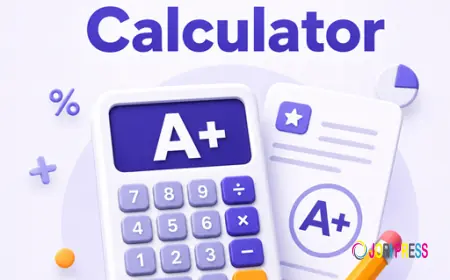
A reverse mortgage calculator is an online tool that helps homeowners estimate how much money they may be able to access using the equity in their property.
Unlike a traditional mortgage calculator, which focuses on monthly payments and repayment periods, a reverse mortgage calculator looks at factors such as the homeowner's age, property value, and potential borrowing amount.
For example, a homeowner in Moncton who owns a property worth $450,000 may want to know how much equity could be available without selling the home.
By entering basic information, the calculator can provide an estimated borrowing amount based on the assumptions used by the tool.
Depending on the calculator, you may be asked to provide:
-
Your current age.
-
Your property's estimated market value.
-
Your province and property location.
-
Whether the home has one or multiple owners.
-
Your existing mortgage balance.
-
The amount you want to borrow.
-
An estimated interest rate.
Some advanced calculators also show how interest may accumulate over time and how your remaining home equity could change.
These results can help you understand the financial impact of a reverse mortgage before speaking with a lender.
2. Why Is Your Age Important When Calculating a Reverse Mortgage?
Age is one of the most important factors used by reverse mortgage lenders.
In Canada, reverse mortgages are generally available to homeowners aged 55 or older. The amount you may qualify for often increases as you get older because the lender considers the expected length of time the loan may remain outstanding.
For example, a homeowner aged 60 may qualify for a different borrowing amount than someone aged 75, even if both own properties with the same market value.
When a property has two registered homeowners, the younger homeowner's age is generally an important factor in determining the available amount.
This is why entering accurate birth dates matters when using a Reverse Mortgage Calculator Canada wide.
A small difference in age can change the estimated borrowing amount. However, the exact calculation depends on the lender's individual qualification guidelines.
3. Property Value Can Affect the Accuracy of Your Estimate
Your home's current market value is another major factor.
A reverse mortgage allows you to access a portion of your existing home equity. Therefore, the estimated property value directly affects how much you may be able to borrow.
However, the value you enter into an online calculator may not match the value accepted by the lender.
For example, you might believe your home in Fredericton is worth $400,000 based on recent sales in your neighbourhood. However, a professional property appraisal could produce a different figure after considering the home's condition, location, size, and comparable sales.
Lenders may review:
-
Current property market value.
-
Property location.
-
Overall condition of the home.
-
Property type.
-
Recent comparable sales.
-
Existing mortgages or other registered debts.
An online calculator generally relies on the value you provide. It does not replace a professional appraisal.
For a more realistic estimate, use a reasonable current market value rather than an optimistic selling price.
4. Interest Rates Can Change Your Future Home Equity
One of the biggest limitations of a reverse mortgage calculator is that future interest costs are not always easy to predict.
With a reverse mortgage, you generally do not make regular principal and interest payments. Instead, the interest is added to the outstanding mortgage balance.
This means the amount you owe increases over time.
For example, imagine a homeowner borrows $100,000 against their property. If interest accumulates and no payments are made, the outstanding balance will gradually increase.
The longer the mortgage remains in place, the more interest may accumulate.
An advanced reverse mortgage calculator can help illustrate this by showing:
-
Initial mortgage amount.
-
Estimated annual interest.
-
Accumulated interest.
-
Projected mortgage balance.
-
Estimated future property value.
-
Remaining home equity.
However, the result depends on the interest rate and compounding assumptions entered into the calculator. If the lender's actual rate changes or the contract uses different terms, the final balance may be different.
5. Are Canadian Reverse Mortgage Calculators the Same Across All Provinces?
Not necessarily.
Although the basic reverse mortgage concept is similar across Canada, available products, lender requirements, property eligibility, and local market conditions can vary.
A homeowner in Saint John may have different property valuation considerations from someone living in downtown Toronto or Vancouver.
The available lending options may also depend on the lenders operating in a particular area.
A Reverse Mortgage Calculator Canada wide can provide a general understanding of borrowing possibilities, but it should not be treated as a universal approval tool.
For New Brunswick homeowners, it is important to use estimates that reflect their province, property location, and the reverse mortgage products available to them.
At Sunlite Mortgage, homeowners can explore reverse mortgage options from providers such as HomeEquity Bank, Equitable Bank, and Bloom, subject to current product availability and eligibility.
6. How Accurate Is Sunlite Mortgage's Reverse Mortgage Calculator?
Sunlite Mortgage offers a reverse mortgage and home equity calculator designed to help homeowners understand how borrowing against their property may affect their future equity.
The calculator allows users to enter information such as:
-
Applicant's date of birth.
-
Second applicant's date of birth, if applicable.
-
Current property value.
-
Initial reverse mortgage amount.
-
Annual interest rate.
-
Home appreciation assumptions.
-
Projection period.
-
Interest compounding method.
One useful feature is that the calculator does more than estimate the initial mortgage amount. It also illustrates how the mortgage balance and home equity may change over time.
For example, a homeowner in Dieppe can enter their estimated property value and borrowing amount to see how accumulated interest could affect their remaining equity over a selected period.
The calculator can display projected home value, mortgage balance, cumulative interest, and estimated remaining equity.
This makes it useful for retirement planning because homeowners can compare different assumptions rather than focusing only on the amount they can borrow today.
However, it is important to understand that the calculator produces an illustration, not a mortgage approval, property appraisal, or guarantee of future home values.
Actual lender fees, interest rates, compounding methods, and future rate changes can affect the final figures.
7. What Can Make Your Calculator Results Different From the Actual Loan Offer?
Even if you enter accurate information, the final mortgage offer may differ from your online estimate.
Here are some common reasons.
Property Appraisal: The lender may determine that your home is worth more or less than the amount entered into the calculator.
Existing Mortgage Balance: If you still owe money on your current mortgage, that balance may need to be paid from the reverse mortgage proceeds.
Property Type: Certain property types or locations may have different lending requirements.
Interest Rate Changes: Future interest rates may differ from the assumptions used in your projection.
Lender Fees: Appraisal costs, legal fees, setup charges, and other expenses may reduce the amount of money you actually receive.
Multiple Homeowners: The ages of all registered homeowners can influence eligibility and borrowing calculations.
Understanding these differences can help prevent unrealistic expectations when planning your retirement finances.
8. How Can You Get a More Reliable Reverse Mortgage Estimate?
If you want to get a better idea of how much you may qualify for, start by collecting accurate information about your property and financial situation.
Here are a few practical steps:
-
Use a realistic property value: Check recent comparable home sales and consider getting a professional opinion.
-
Enter accurate ages: Make sure the dates of birth are correct for every homeowner on the property title.
-
Include existing mortgage debt: Do not overlook outstanding mortgage balances or other registered debts.
-
Compare interest assumptions: Try different interest rates to understand how your future mortgage balance may change.
-
Consider future property appreciation: Use reasonable growth assumptions rather than expecting your property value to increase every year.
-
Speak with a mortgage professional: Ask for a lender-specific estimate based on your actual property and circumstances.
These steps will help you move beyond a general online estimate and get a clearer picture of your available options.
9. Is a Reverse Mortgage the Right Choice for New Brunswick Homeowners?
A reverse mortgage can be worth considering if you are 55 or older, own a qualifying primary residence, and want to access some of your home equity without selling your property.
Some New Brunswick homeowners use these funds to cover retirement expenses, complete home renovations, repay existing debts, or manage unexpected costs.
You may receive the money as a lump sum, regular payments, or a combination of both, depending on the lender's available options.
You generally remain the homeowner and do not need to make regular mortgage payments. However, you must continue meeting the loan agreement's requirements, including maintaining the property and keeping property taxes and home insurance up to date.
It is also important to remember that interest accumulates over time, reducing the equity remaining in your home.
Before making a decision, compare a reverse mortgage with alternatives such as a home equity line of credit, refinancing, or downsizing. Consider how each option may affect your retirement income and the inheritance you want to leave behind.
Final Thoughts
So, how accurate is a Reverse Mortgage Calculator Canada wide? It can be a helpful tool for understanding your potential borrowing amount, projected interest costs, and future home equity. However, its accuracy depends on the quality of the information entered and the assumptions used in the calculation.
For homeowners in New Brunswick, an online calculator is a good place to start, but a lender-specific assessment is necessary to understand the amount you may actually qualify for.
If you are considering a reverse mortgage in Moncton, Fredericton, Saint John, Dieppe, or another New Brunswick community, Sunlite Mortgage can help you compare available options and understand the long-term financial impact.
A little planning today can help you make a more informed decision about using the home equity you have spent years building.
About Sunlite Mortgage
Sunlite Mortgage helps New Brunswick homeowners explore reverse mortgage solutions and other home financing options. Whether you want to access retirement funds, understand your available equity, or compare different mortgage products, the team can help you review your options.
Phone: (506) 317-2318
Email: info@sunlitemortgage.com
Office: Moncton, New Brunswick
Working for you — not the banks.
What's Your Reaction?
 Like
0
 Dislike
0
 Love
0
 Funny
0
 Angry
0
 Sad
0
 Wow
0