





































How to Choose the Right Water Flosser for Your Needs

Maintaining good oral hygiene involves more than brushing your teeth twice a day. Food particles and plaque can collect between teeth and along the gumline, where regular toothbrush bristles may not reach effectively. Interdental cleaning is therefore an important part of a complete oral care routine.
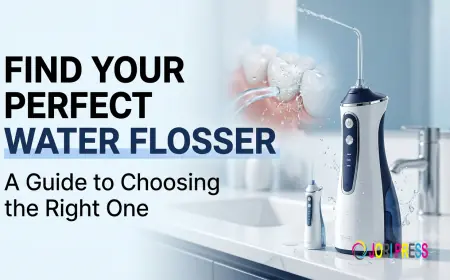
Traditional dental floss is one option, but it isn't always convenient for everyone. People with braces, dental bridges, limited hand mobility, or crowded teeth may find alternative cleaning tools easier to use. A water flosser is one such option. It uses a controlled stream of water to help remove food debris from between teeth and around the gumline.
However, water flossers come in different designs, sizes, and configurations. Choosing the right one means understanding which features actually matter for your daily routine. Here's what to consider before purchasing one.
1. Understand Your Oral Care Needs
The first step is identifying why you want a water flosser. Different users may benefit from different designs and features.
For everyday oral hygiene
If you simply want to add interdental cleaning to your daily routine, look for a device with adjustable pressure settings and a comfortable nozzle. A straightforward model may be sufficient without requiring multiple specialized features.
For braces and orthodontic appliances
Brackets and wires can make traditional flossing more challenging. Food particles may become trapped around orthodontic appliances, making thorough cleaning important.
Look for a water flosser with an orthodontic nozzle or compatible specialized tips. These can make it easier to direct water around brackets and wires. If you wear braces, ask your orthodontist which cleaning tools are appropriate for your treatment.
For dental bridges and other dental work
People with bridges, crowns, implants, or other dental restorations may have specific cleaning requirements. Some devices offer specialized attachments designed for particular dental needs.
Before selecting a nozzle or cleaning method, consult your dentist to ensure it is appropriate for your restoration.
2. Check the Water Pressure Settings
Water pressure is one of the most important features to consider when purchasing a water flosser.
Different users have different comfort levels. Beginners may prefer a gentle stream, while experienced users may want more control over the intensity.
Consider these features:
-
Multiple pressure levels: Allow you to adjust the water stream according to your comfort.
-
Gentle settings: Useful when first learning how to use the device.
-
Consistent water flow: Helps make cleaning more comfortable and manageable.
-
Easy controls: Make it simple to adjust settings during use.
If you are new to water flossing, begin with a low-pressure setting and gradually adjust it as you become comfortable. Avoid increasing the pressure simply because a stronger stream seems more effective.
3. Choose Between Countertop and Cordless Models
Water flossers generally come in two common designs: countertop and cordless.
Your choice depends on available bathroom space, travel habits, and how frequently you plan to use the device.
Countertop water flossers
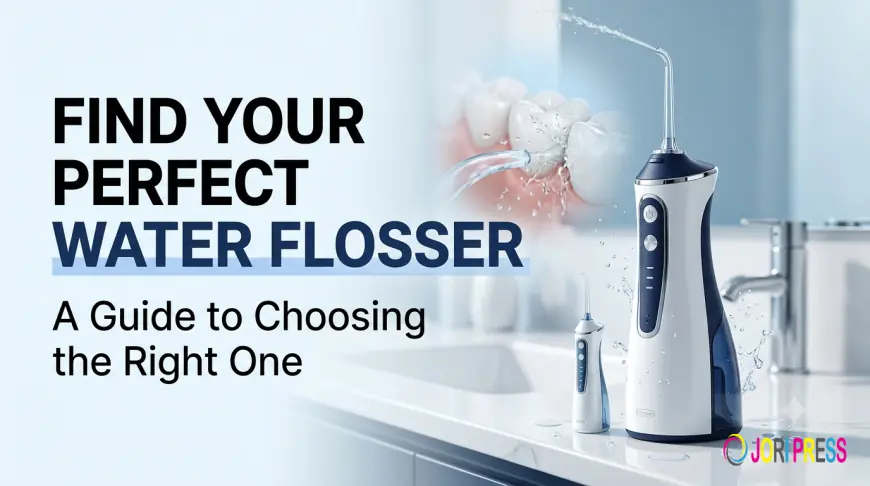
Countertop models usually have a separate water reservoir connected to a handheld cleaning unit.
They may be suitable for households that want a device kept in one place. Larger reservoirs can also reduce the need to refill the tank during a cleaning session.
Consider a countertop model if you:
-
Have sufficient bathroom counter space.
-
Prefer a larger water reservoir.
-
Plan to use the device regularly at home.
-
Want a stationary device that multiple household members can use with their own attachments.
Cordless water flossers
Cordless models are compact and typically have a built-in water reservoir and rechargeable battery.
They are useful for people who travel frequently or have limited bathroom space.
Consider a cordless model if you:
-
Prefer a portable design.
-
Have limited counter space.
-
Want to carry the device while travelling.
-
Prefer a rechargeable appliance without a permanent countertop setup.
Neither design is automatically better. The right option is the one that fits comfortably into your lifestyle.
4. Look at Water Reservoir Capacity
The water tank determines how much water the device can hold before requiring a refill.
A larger reservoir can be convenient because it may allow you to complete a cleaning session without interruption. Smaller reservoirs are common in portable models and help keep the device compact.
When comparing capacity, consider:
-
How much water is available per refill.
-
Whether the reservoir is removable.
-
How easily the tank can be filled.
-
Whether the opening is wide enough for convenient cleaning.
-
How easily the reservoir dries after use.
If you prefer a cordless model, check whether its tank capacity is sufficient for your intended cleaning routine. Some compact models may require refilling during use.
5. Consider the Available Nozzle Types
Different nozzle attachments are designed for different cleaning requirements. The attachments included with a device can influence how useful it is for your particular needs.
Common nozzle types include:
-
Standard nozzle: Designed for general cleaning around teeth and along the gumline.
-
Orthodontic nozzle: Designed to help clean around braces, brackets, and wires.
-
Periodontal nozzle: A specialized attachment intended for certain gumline or periodontal cleaning applications. Use it only as directed by a dental professional.
-
Plaque-seeker or implant-focused tip: Available on some models for cleaning around dental restorations.
You do not necessarily need a device with every attachment. Focus on the nozzles that match your dental requirements and follow the manufacturer's instructions.
6. Evaluate Battery Life and Charging Options
Battery performance is particularly important when choosing a cordless water flosser.
A rechargeable model should provide enough power for regular use without requiring frequent charging. Consider the following:
-
Battery life between charges.
-
Charging time.
-
Charging connection and cable type.
-
Battery indicator availability.
-
Ease of replacing or maintaining the device over time.
If you travel often, a reliable battery and convenient charging arrangement can make the device easier to use consistently.
7. Check Ease of Cleaning and Maintenance
A water flosser needs regular maintenance because water remains inside its reservoir and internal components after use.
A device that is difficult to clean may become inconvenient over time.
Before purchasing, check whether:
-
The reservoir can be removed and washed easily.
-
The tank opening provides access for cleaning.
-
The nozzle can be detached and replaced.
-
The device comes with clear maintenance instructions.
-
Replacement attachments are readily available.
After each use, empty any remaining water when recommended by the manufacturer. Clean and dry the device according to its instructions to help maintain hygiene and performance.
8. Look for Useful Features Rather Than Extra Features
Some water flossers include additional functions such as multiple cleaning modes, memory settings, timers, and water-flow controls.
While these features can improve convenience, they should not be the only factors influencing your decision.
Prioritize features that solve an actual problem in your routine.
For example, adjustable pressure may be more useful than several modes if you are a beginner. A larger reservoir may matter more than extra settings if you prefer a countertop device.
The best purchase is not necessarily the model with the longest feature list. It is the one that is comfortable, practical, and easy to maintain.
9. Compare Warranty, Replacement Parts, and Overall Value
Price is important, but the initial purchase cost does not tell you everything about a device's long-term value.
Check the warranty period, availability of replacement nozzles, charging accessories, and customer support.
It is also worth considering whether the manufacturer provides clear product instructions and maintenance guidance.
A reasonably priced device with accessible replacement parts may offer better long-term value than a cheaper model that is difficult to maintain.
10. How to Use a Water Flosser Correctly
Choosing the right device is only one part of maintaining good oral hygiene. Using it correctly and consistently is equally important.
Follow these general steps:
-
Fill the reservoir with lukewarm water, following the manufacturer's instructions.
-
Attach the appropriate nozzle.
-
Start with a low-pressure setting if you are a beginner.
-
Lean over the sink before switching on the device.
-
Place the nozzle near the gumline and guide the water stream along the teeth.
-
Pause briefly between teeth and pay attention to areas where food debris tends to collect.
-
Follow the recommended cleaning technique for braces or dental restorations if applicable.
-
Empty and clean the reservoir as directed after use.
Water flossing should complement regular brushing rather than replace it. The American Dental Association recommends brushing twice daily for two minutes and cleaning between teeth once a day using an appropriate interdental cleaning method.
Frequently Asked Questions
1. What should I look for when buying a water flosser?
Look for adjustable pressure settings, suitable nozzle attachments, a convenient reservoir, easy cleaning, and a design that fits your lifestyle. Your dental requirements should guide the final choice.
2. Is a cordless or countertop water flosser better?
Countertop models may offer larger reservoirs and are suitable for regular home use. Cordless models are generally more portable and convenient for travel or smaller bathrooms. The better option depends on your preferences.
3. Are water flossers suitable for people with braces?
They can be a useful option for cleaning around brackets and wires. Some models include orthodontic attachments. However, users should follow their orthodontist's cleaning recommendations.
4. How often should I use a water flosser?
Interdental cleaning should generally be performed once a day. Follow the device instructions and your dentist's advice to establish an appropriate routine.
5. Can a water flosser replace traditional dental floss?
A water flosser is an alternative interdental cleaning tool for some people, but it may not suit every dental situation. The most appropriate method depends on individual needs, tooth spacing, and dental advice.
6. Should beginners use high water pressure?
No. Beginners should start with a gentle pressure setting and adjust gradually according to comfort. Stop if the device causes pain or persistent bleeding and consult a dental professional if symptoms continue.
Final Thoughts
Choosing the right water flosser comes down to understanding your oral care needs and comparing practical features. Pressure settings, reservoir capacity, portability, nozzle options, battery life, and maintenance requirements can all influence your experience.
Rather than selecting a device based only on price or the number of available features, consider how comfortably it will fit into your daily routine. A suitable device that you can use consistently can make interdental cleaning more convenient and help support a well-rounded oral hygiene routine.
If you are comparing different designs and features, explore the available water flosser options to understand which type may suit your everyday oral care needs.
What's Your Reaction?
 Like
0
 Dislike
0
 Love
0
 Funny
0
 Angry
0
 Sad
0
 Wow
0