





































How to Control Emotional Reactions After Separation Before They Hurt You Emotionally
The Cocoon Coaching LLC is a relationship and emotional wellness coaching company founded by Aparnaa Jadhav. With over 20 international certifications, we specialize in helping women rebuild confidence and self-worth after divorce or emotional trauma. Services include 1:1 coaching, workshops, digital resources, and bestselling books. We offer holistic, personalized support for emotional healing and growth—locally and worldwide through online life coaching.

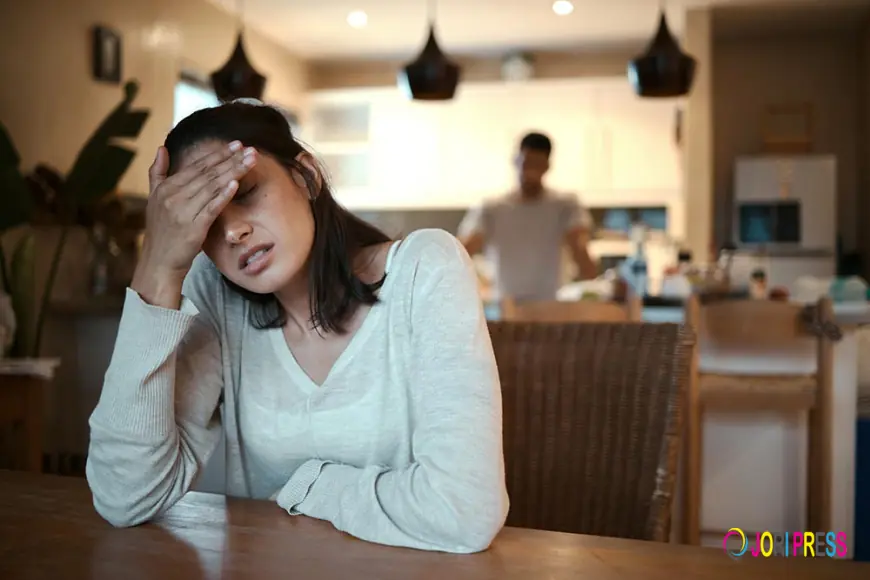
Separation changes more than a relationship. It affects emotional safety, confidence, routines, future plans, and personal identity. During this emotionally vulnerable period, many women react impulsively and later wonder why their emotions felt impossible to control in the moment.
The truth is that emotional overwhelm after separation is extremely common. When the nervous system feels emotionally unsafe, the body naturally reacts through fear, anger, panic, emotional shutdown, or impulsive communication. Many women later experience regret after reacting emotionally because their decisions came from overwhelm instead of clarity.
According to emotional wellness mentor Aparnaa Jadhav, emotional reactions are not signs of weakness. They are signals that emotional stress has become too heavy to carry alone.
Understanding Emotional Reactions During Separation
Why the Nervous System Feels Overloaded
One of the biggest reasons emotional reactions during separation feel so strong is because the mind and body are trying to process emotional loss and uncertainty at the same time. Fear of abandonment, loneliness, rejection, and confusion can activate survival responses inside the nervous system.
This emotional survival state makes it difficult to think clearly. Even small conversations, delayed replies, or emotional memories can suddenly trigger emotional outbursts or panic.
Many women blame themselves for reacting emotionally, but separation emotional overwhelm often pushes the nervous system beyond its normal emotional capacity. Understanding this can help reduce self criticism during healing.
Emotional Reactions Are Often Connected to Fear
After separation, many people experience fear about the future, fear of being alone, fear of judgment, or fear of losing emotional security. These fears often influence decisions without people fully realizing it.
This is why emotional decisions made during intense emotional moments may later feel confusing or regrettable. Women often replay conversations in their minds and think:
“Why did I react like that?”
“Why couldn’t I stay calm?”
Learning how to control emotional reactions starts with understanding the emotional fears happening underneath the reaction itself.
How to Control Emotional Reactions in Healthier Ways
Create Space Before Responding
One of the most powerful emotional regulation techniques is learning to pause before reacting. Emotional urgency often creates impulsive decisions that increase stress later.
When emotions rise suddenly, step away briefly instead of responding immediately. Deep breathing, short walks, grounding exercises, or even delaying a difficult conversation can help calm the nervous system before making important decisions.
Women who practice emotional pauses often experience less regret after reacting emotionally because they give themselves time to process feelings more clearly.
Aparnaa Jadhav often encourages women to remember that slowing down emotionally is not weakness. It is emotional self protection.
Pay Attention to Physical Emotional Signals
The body usually gives warning signs before emotional reactions happen. Tight chest, racing thoughts, fast heartbeat, shaking, emotional restlessness, or shallow breathing may signal emotional activation.
Many women ignore these signals until emotions become overwhelming. However, learning how to control emotional reactions becomes easier when you recognize emotional stress early.
Body awareness helps create emotional pauses before impulsive reactions take over completely.
Healthy Ways to Process Emotional Overwhelm
Journaling Helps Release Emotional Pressure
Journaling allows emotions to move out of the mind and onto paper safely. Writing down fears, frustrations, sadness, or confusion can reduce emotional intensity and improve mental clarity.
Women navigating emotional reactions during separation often discover that journaling helps organize emotions before they become emotionally explosive.
Reflective writing also improves self awareness by helping people identify emotional triggers and repeated emotional patterns.
Therapy and Emotional Support Matter
Many women isolate themselves emotionally after separation because they feel embarrassed about their reactions. However, emotional healing becomes more difficult when emotional pain stays hidden.
Therapy, emotional coaching, support groups, or honest conversations with trusted people provide emotional safety during emotionally difficult transitions.
Seeking support does not mean you are emotionally weak. It means you are prioritizing emotional recovery responsibly.
Self Compassion Reduces Emotional Shame
Women often speak harshly to themselves after emotional reactions. They label themselves as “too emotional,” “unstable,” or “dramatic.” This emotional shame usually increases stress instead of helping healing.
Learning how to control emotional reactions also involves changing how you speak to yourself during emotional pain. Self compassion creates emotional safety while reducing fear around difficult emotions.
Healing becomes healthier when women stop punishing themselves for emotional overwhelm and start understanding what their emotions are trying to communicate.
Emotional Healing Requires Awareness, Not Perfection
Many women believe emotional healing means never reacting emotionally again. In reality, healing is not about becoming emotionally perfect. It is about becoming emotionally aware.
You may still feel emotional waves after separation. Certain memories, conversations, or triggers may still affect you deeply. However, emotional awareness allows you to respond more consciously instead of reacting impulsively from fear or overwhelm.
Over time, emotional pauses become easier. Emotional clarity becomes stronger. Decisions become calmer and more intentional.
Moving Forward Without Carrying Emotional Regret
If you have already reacted emotionally after separation, it does not mean you failed. Emotional reactions are often responses to pain, fear, emotional exhaustion, and nervous system overload.
The important thing is learning from those moments instead of living in shame because of them. Through emotional awareness, self compassion, and healthy support systems, it becomes possible to rebuild emotional balance and confidence again.
Healing after separation takes patience. But every moment you choose awareness over urgency helps create a healthier emotional future for yourself.
FAQs
1. Why do emotional reactions feel stronger after separation?
Separation creates emotional stress, uncertainty, and fear, which can overload the nervous system and make emotions feel more intense than usual.
2. How to control emotional reactions during difficult conversations?
Pause before responding, take deep breaths, avoid immediate reactions, and allow your emotions time to settle before making decisions.
3. Is regret after reacting emotionally normal?
Yes, many people experience regret after reacting emotionally because decisions made during emotional overwhelm often come from fear instead of clarity.
4. Can journaling help with emotional healing after separation?
Yes, journaling helps release emotional pressure, improve self awareness, and process emotional reactions during separation in a healthier way.
What's Your Reaction?
 Like
0
Like
0
 Dislike
0
Dislike
0
 Love
0
Love
0
 Funny
0
Funny
0
 Angry
0
Angry
0
 Sad
0
Sad
0
 Wow
0
Wow
0