































Zambia’s Sporting Reset: Why Grassroots Development Must Be the Priority

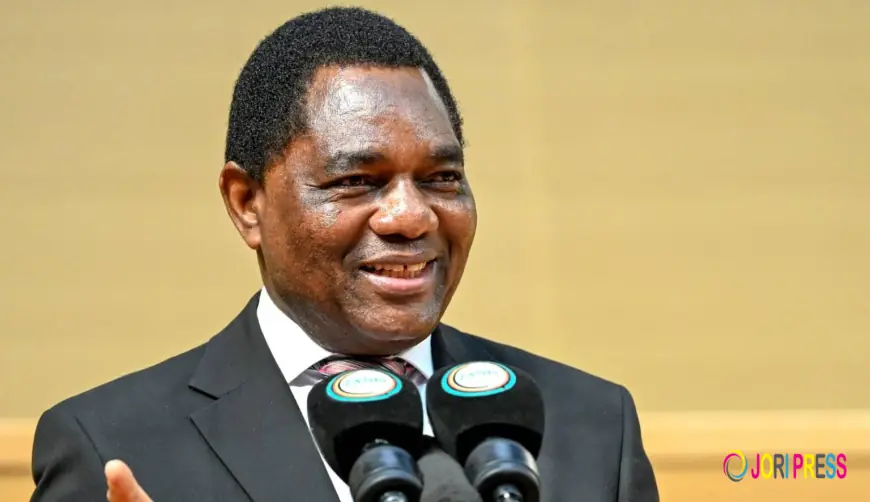
The Chipolopolo’s early exit from the 2025 Africa Cup of Nations left many Zambians disappointed, but it also serves as a wake-up call. President Hakainde Hichilema has made it clear: the path to future sporting success does not begin in stadiums — it begins in communities, schools, and local fields where young talent is discovered, nurtured, and developed.
The message from State House emphasizes that loss is not failure. Rather, it is an opportunity to reflect, rebuild, and reimagine Zambia’s sports development strategy. For too long, the country has relied on short-term results while neglecting the structures that create champions. It is now time for a deliberate, long-term approach.
Rebuilding the Foundation
Zambia was once a sporting powerhouse in the region, producing top athletes through vibrant grassroots systems. Local authority sports facilities, school tournaments, and inter-provincial competitions provided young people with opportunities to grow and excel. Unfortunately, many of these structures have deteriorated or disappeared due to neglect, unregulated developments, or mismanagement. The result has been a shrinking talent pipeline and reduced national competitiveness.
President Hichilema believes that rebuilding these foundations is essential. Strong national teams start with strong communities, and nurturing young athletes requires consistent investment, facilities, and structured competitions.
A National Sports Revolution
Starting in 2026, the government plans a comprehensive sports revival, anchored on:
-
Rebuilding school and community facilities to ensure safe and functional sports spaces
-
Integrating sports into new housing and corporate developments, making recreation accessible to all
-
Reviving competitive school and local tournaments, which are key to discovering future talent
-
Fostering partnerships between government, private sector, and sports institutions for sustainable development
-
Creating structured youth programs that connect grassroots activities to professional pathways
This approach shifts the focus from immediate results to long-term system building, ensuring that Zambia produces athletes capable of competing at the highest levels consistently.
The Broader Benefits of Grassroots Sports
Investing in community sports goes beyond athletic performance. It has far-reaching social benefits:
-
Encourages active and healthy lifestyles
-
Reduces risks of youth disengagement and crime
-
Teaches life skills such as teamwork, discipline, and leadership
-
Strengthens communities and fosters unity
-
Creates pathways for careers in coaching, management, and sports science
By prioritizing grassroots development, Zambia is not just building better athletes — it is building stronger citizens and stronger communities.
Turning Setback into Opportunity
The AFCON exit should be seen as a turning point rather than a failure. President Hichilema’s vision calls for patience, discipline, and collaboration among all stakeholders to restore Zambia’s sporting glory. This reset provides a rare chance to focus on systems that ensure long-term success.
Every champion begins at the grassroots. By nurturing talent from the ground up, Zambia can transform today’s disappointment into tomorrow’s triumphs — ensuring that the Chipolopolo, and the nation as a whole, have a sustainable path to excellence.
What's Your Reaction?
 Like
0
Like
0
 Dislike
0
Dislike
0
 Love
0
Love
0
 Funny
0
Funny
0
 Angry
0
Angry
0
 Sad
0
Sad
0
 Wow
0
Wow
0