




























Why Some Solar Systems Fail in 2 Years (And How to Avoid It)
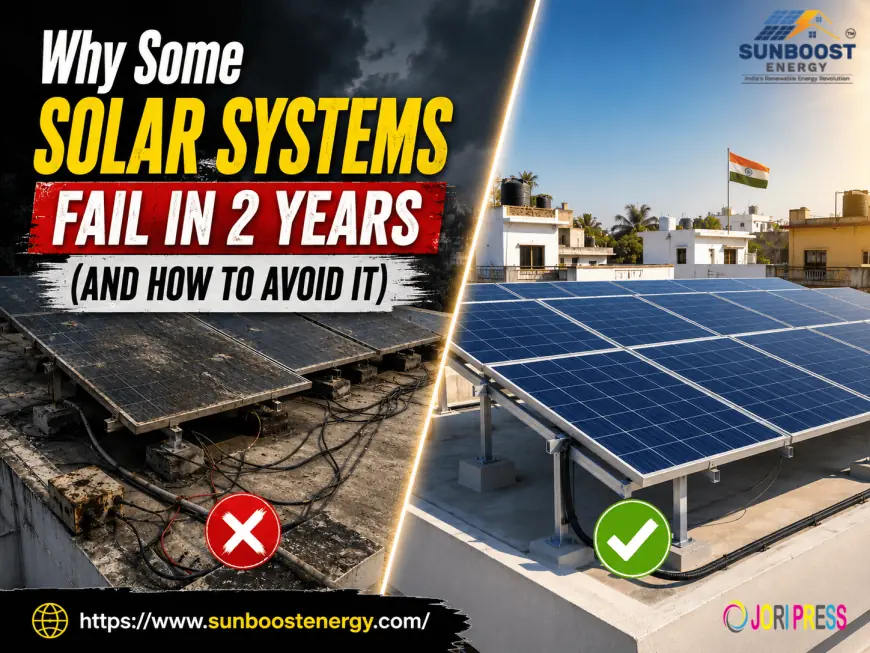
Solar energy is often promoted as a long-term investment that can deliver reliable savings for 25 years or more. And in most cases, that’s true. A well-designed solar system can continue generating electricity efficiently for decades with minimal maintenance. However, not every solar installation performs as expected.
Across India, some homeowners begin experiencing performance issues surprisingly early sometimes within just two years of installation. Electricity savings drop, power generation declines, and unexpected repair costs start appearing.
When this happens, many people assume solar technology is unreliable. In reality, the problem is usually not solar panels themselves. Most early failures happen because of poor planning, low-quality components, installation errors, or lack of maintenance.
If you’re considering a Rooftop Solar System, understanding why some systems fail early can help you avoid costly mistakes and protect your investment for the long term.
Are Solar Systems Really Failing?
The term “failure” doesn’t always mean the system completely stops working.
In many cases, homeowners notice:
- Significant drop in electricity generation
- Higher-than-expected electricity bills
- Inverter breakdowns
- Frequent technical faults
- Reduced return on investment
- Unexpected maintenance expenses
Most of these issues can be prevented when the system is designed and installed correctly from the beginning.
1. Choosing the Cheapest Option
One of the biggest reasons solar systems struggle after a few years is that homeowners focus only on the lowest installation price.
While saving money upfront may seem attractive, cheaper systems often include:
- Lower-quality solar panels
- Inexpensive inverters
- Poor wiring materials
- Weak mounting structures
- Limited after-sales support
The initial savings are often lost later through reduced performance, repairs, and replacement costs.
Solar should be viewed as a long-term investment rather than a short-term purchase.
2. Poor Installation Practices
Even premium solar components can underperform if they are installed incorrectly.
Common installation issues include:
- Incorrect panel tilt angle
- Improper cable routing
- Weak earthing systems
- Loose electrical connections
- Poor inverter placement
- Inadequate waterproofing
These mistakes may not create immediate problems, but over time they can affect safety, efficiency, and system lifespan.
This is why selecting an experienced installation partner is just as important as choosing quality equipment.
3. Ignoring Shade Analysis
Solar panels need uninterrupted sunlight to perform efficiently. Unfortunately, some installations are completed without proper shade assessment.
Nearby obstacles such as:
- Trees
- Buildings
- Mobile towers
- Future construction
can gradually reduce solar generation. Even partial shading can impact the performance of an entire solar array. A professional site survey helps identify potential shading concerns before installation begins.
4. Lack of Regular Maintenance
Many homeowners assume solar systems are completely maintenance-free. While maintenance requirements are low, they are not zero.
Dust, pollution, bird droppings, and debris can reduce electricity generation significantly if panels are not cleaned periodically.
Ignoring maintenance can eventually lead to lower performance and recurring solar panel problems that affect overall savings. Simple cleaning and routine inspections often prevent larger issues from developing.
5. Poor Quality Inverters
Solar panels usually receive most of the attention, but the inverter is one of the most important components in the system.
The inverter converts solar power into usable electricity for your home.
When low-quality inverters are used:
- Efficiency drops
- Faults occur more frequently
- Repairs become expensive
- System downtime increases
Many early solar system failures can be traced back to inverter-related issues rather than the panels themselves.
Investing in a reliable inverter often improves long-term system stability.
6. Incorrect System Sizing
A solar system should be designed according to actual electricity consumption.
Undersized systems may not generate enough electricity, while oversized systems may not deliver expected financial returns.
Common sizing mistakes include:
- Ignoring future appliance additions
- Underestimating electricity consumption
- Not accounting for EV charging
- Overlooking seasonal usage changes
Proper load analysis before installation helps ensure the system continues meeting household requirements for years to come.
7. Falling for Common Solar Mistakes
Many early failures occur because homeowners rush into decisions without proper research.
Examples include:
- Choosing installers solely based on price
- Ignoring warranty coverage
- Skipping site inspections
- Not comparing equipment quality
- Overlooking maintenance requirements
Avoiding these common Solar mistakes can significantly improve long-term system performance and overall savings.
8. Poor After-Sales Support
A solar installation is not a one-time transaction.
Over the life of the system, homeowners may require:
- Performance checks
- Warranty support
- Inverter servicing
- Technical assistance
- System upgrades
Unfortunately, some installers disappear after project completion, leaving customers without support when issues arise.
Choosing a company with a proven service network helps ensure assistance is available whenever needed.
Warning Signs Your Solar System Needs Attention
If you already have solar installed, watch for these signs:
- Electricity bills increasing unexpectedly
- Lower daily generation
- Inverter error messages
- Visible damage to panels or wiring
- Frequent system shutdowns
- Performance lower than previous years
Addressing these issues early often prevents more serious problems later.
How to Make Your Solar System Last 25+ Years
The good news is that most solar systems can deliver excellent performance for decades when maintained properly.
To maximize lifespan:
Choose Quality Components
Invest in trusted panel and inverter brands.
Work With Experienced Installers
Professional installation reduces future risks significantly.
Schedule Periodic Inspections
Routine health checks help identify minor issues before they become expensive repairs.
Monitor System Performance
Regularly review generation data through your inverter monitoring system.
Clean Panels When Needed
Removing dust and debris helps maintain efficiency throughout the year.
Partner With a Reliable Solar Company
Established providers such as Sunboost Energy offer ongoing support, maintenance guidance, and professional system evaluations that help protect your investment over the long term.
Final Thoughts
Solar technology itself is highly reliable. When a system begins struggling within just a few years, the root cause is usually poor planning, low-quality components, installation mistakes, or neglected maintenance.
The good news is that most of these problems are completely avoidable.
By choosing quality equipment, working with experienced professionals, and following basic maintenance practices, homeowners can enjoy decades of dependable performance and electricity savings.
The goal isn’t simply to install solar, it’s to install a system that continues delivering value year after year without unexpected surprises.
What's Your Reaction?
 Like
0
Like
0
 Dislike
0
Dislike
0
 Love
0
Love
0
 Funny
0
Funny
0
 Angry
0
Angry
0
 Sad
0
Sad
0
 Wow
0
Wow
0