



































Why Scan-to-BIM Is Becoming Essential for Modern Infrastructure Projects in Dubai

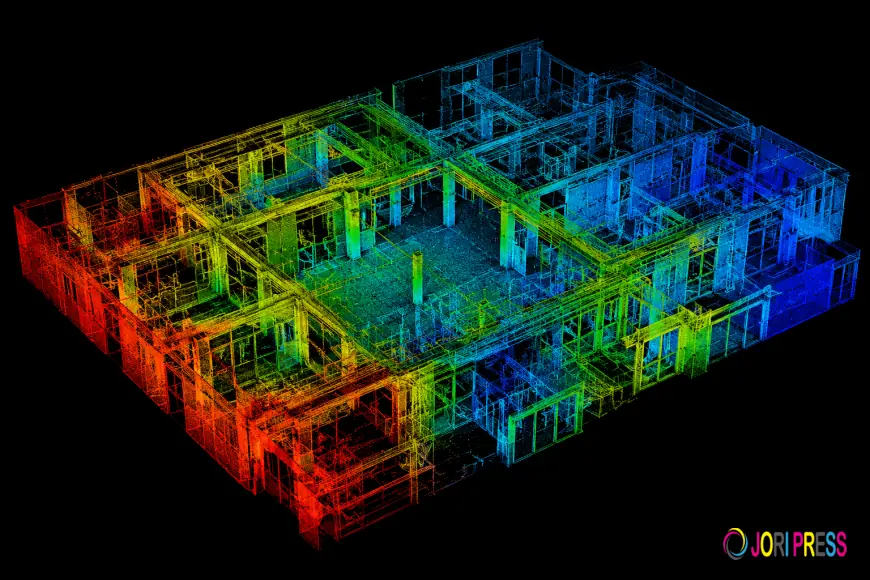
Infrastructure development in Dubai continues to grow rapidly with increasing demand for smarter planning, faster project execution, and improved coordination between engineering disciplines. As projects become more complex, traditional documentation and surveying methods often struggle to provide the level of accuracy needed for modern construction and infrastructure workflows.
This is one of the key reasons why Scan-to-BIM technology is becoming an essential part of infrastructure projects across Dubai and the UAE. By combining 3D laser scanning with Building Information Modeling (BIM), project teams can create accurate digital representations of existing conditions and improve coordination throughout the project lifecycle.
Today, many contractors, consultants, architects, and infrastructure developers are using 3D laser scanning services UAE to improve project efficiency, reduce errors, and support better decision-making.
Understanding Scan-to-BIM Technology
Scan-to-BIM is a process where laser-scanned point cloud data is converted into intelligent BIM models. The laser scanning process captures millions of highly accurate data points from buildings, structures, industrial facilities, and infrastructure environments.
This point cloud information is then processed and transformed into detailed digital models that accurately represent existing site conditions.
These BIM models can support various project requirements, including:
- As-built documentation
- Existing condition modeling
- Renovation planning
- Infrastructure coordination
- Engineering analysis
- Facility documentation
- CAD and BIM workflows
For modern infrastructure projects, accurate digital documentation is becoming increasingly important because project teams rely heavily on coordinated data and real-world site verification.
The Growing Challenges in Infrastructure Projects
Infrastructure projects often involve multiple stakeholders, large-scale environments, and highly detailed engineering systems. Managing accurate site information becomes critical during planning and execution stages.
Traditional surveying methods may create challenges such as:
- Incomplete site documentation
- Manual measurement errors
- Outdated drawings
- Coordination conflicts between disciplines
- Difficulty capturing complex structures
- Time-consuming data collection processes
These issues can lead to construction delays, rework, and increased project costs.
Using Scan-to-BIM workflows supported by 3d scanning company dubai services helps project teams work with reliable and updated information from the beginning of the project.
Accurate Existing Condition Documentation
One of the biggest advantages of Scan-to-BIM is the ability to accurately document existing infrastructure conditions.
Infrastructure assets such as bridges, industrial facilities, transportation systems, commercial buildings, and utility networks often require detailed documentation before modifications or upgrades can begin.
Laser scanning technology captures complete spatial information with high precision, helping engineers and designers understand the actual site conditions.
This accurate documentation supports:
- Renovation and retrofitting projects
- Infrastructure expansion planning
- Engineering coordination
- Facility upgrades
- Maintenance planning
- Asset management
Accurate point cloud data helps reduce assumptions during design stages and improves overall project confidence.
Better Coordination Between Project Teams
Modern infrastructure projects require close collaboration between architects, structural engineers, MEP consultants, contractors, and facility managers.
Without proper coordination, design conflicts and site errors can occur during construction or installation phases.
Scan-to-BIM workflows improve coordination by providing a shared and accurate digital representation of the site. BIM models generated from laser scanning data help teams identify potential clashes and inconsistencies before physical work begins.
This allows project stakeholders to:
- Improve communication between disciplines
- Verify existing conditions accurately
- Reduce design conflicts
- Improve project planning
- Support better engineering decisions
- Reduce unnecessary site modifications
For complex infrastructure projects, this level of coordination is essential for maintaining project schedules and reducing operational risks.
Faster and More Efficient Data Collection
Another major benefit of laser scanning technology is speed and efficiency. Traditional manual surveys can require significant time and effort, especially in large infrastructure environments.
3d scanning services uae allow project teams to quickly capture large amounts of site data with minimal disruption to operations.
The collected information can then be used for:
- Point cloud visualization
- BIM model generation
- CAD documentation
- As-built drawings
- Site verification
- Digital record management
Faster data collection helps accelerate project workflows while improving documentation quality.
Supporting Renovation and Retrofit Projects
Many infrastructure and industrial projects in Dubai involve renovation, expansion, or retrofitting of existing facilities. In such projects, having accurate as-built information is critical.
Older drawings may no longer reflect actual site conditions because of modifications made over time. This can create major challenges during design and construction phases.
Using 3d laser scanning services uae helps project teams create updated and reliable as-built documentation directly from real-world site conditions.
With accurate BIM-ready deliverables, engineers and contractors can reduce risks associated with inaccurate information and improve overall project efficiency.
The Role of Digital Construction in Dubai
Dubai continues to adopt advanced digital construction technologies to support modern infrastructure development. Scan-to-BIM workflows align with this transition by helping project teams work with intelligent digital models instead of relying only on traditional documentation methods.
Laser scanning and BIM integration improve project visualization, coordination, and planning while supporting better management of infrastructure assets.
As infrastructure projects continue to increase in scale and complexity, the demand for accurate reality capture and digital documentation solutions is expected to grow further.
Conclusion
Scan-to-BIM is becoming an essential solution for modern infrastructure projects in Dubai because it provides accurate site documentation, improved coordination, and reliable BIM-ready data for engineering and construction workflows. By combining laser scanning technology with BIM processes, project teams can reduce errors, improve planning efficiency, and support better project execution.
For organizations looking to improve digital construction workflows and infrastructure documentation, professional scanning solutions play an important role in achieving accurate and efficient project delivery. Conserve Solutions provides 3D laser scanning and Scan-to-BIM services that support infrastructure, industrial, and construction projects across the UAE with reliable digital documentation and BIM integration solutions.
What's Your Reaction?
 Like
0
Like
0
 Dislike
0
Dislike
0
 Love
0
Love
0
 Funny
0
Funny
0
 Angry
0
Angry
0
 Sad
0
Sad
0
 Wow
0
Wow
0