




































Why Coffee Table Books Are Often Printed as Case Bound Books

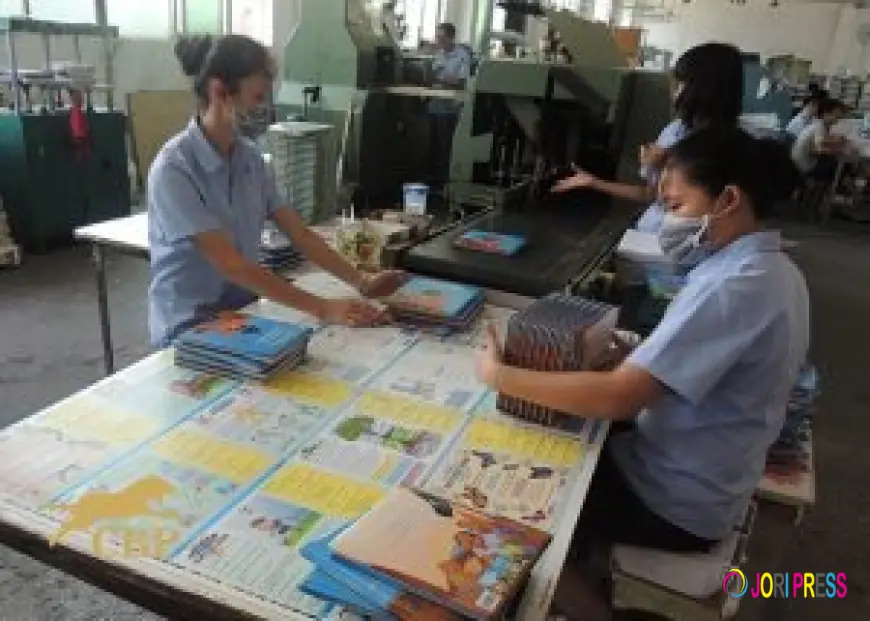
Coffee table books are printed as case bound books because the format offers something perfect binding simply can't match: a rigid board cover wrapped in cloth or leather, sewn signatures that let pages lie flat, and enough structural strength to survive years of coffee table handling. For an oversized book meant to be displayed and picked up repeatedly, that combination isn't optional - it's the whole point.
What Makes Case Binding Structurally Different?
Unlike glued bindings, a case bound book starts with signatures - folded groups of pages - that get sewn together before the block is attached to a separate rigid cover. That cover, built from paperboard wrapped in cloth, leatherette, or printed paper, is constructed independently and then joined to the book block. The result holds up to a genuinely large format without warping or splitting at the spine, which matters a lot once you're working with the kind of thick, image-heavy pages coffee table books tend to carry.
Does the Binding Actually Affect How the Book Lays Open?
Yes, and this is where sewn construction earns its reputation. A case bound book built with sewn signatures can open flat, or close to it, which is exactly what you want for a full double-page photo spread or a panoramic illustration. Perfect-bound books, by contrast, tend to curve at the gutter, cutting into the image right where it matters most. For a book built around visuals rather than dense text, that difference alone often settles the decision.
What Should You Consider Before Choosing This Format?
A few practical factors shape whether a case bound book is the right call for a specific project:
- Page count and paper weight (heavier art paper needs the extra structural support)
- Whether the book will include full-bleed or double-page spreads
- How the book will be handled - displayed occasionally vs. flipped through often
- Budget, since sewn binding and rigid covers cost more than softcover alternatives
Are There Size Standards for Coffee Table Books?
Not really - and that's part of what makes them distinctive. Unlike standard trade books, coffee table formats are largely custom, shaped by however many photographs or illustrations the content demands and whether the layout leans portrait or landscape. Printers with roughly two decades of production experience in this niche often note there's genuinely no fixed template; each project gets sized around its content rather than forced into a stock trim size.
What Finishing Details Make a Case Bound Book Feel Premium?
Beyond the binding itself, small choices add up. Endpapers - often a heavier 160gsm offset stock when left plain - bridge the cover and the interior pages cleanly. Foil stamping, embossing, and debossing on the cover material add tactile richness. Some publishers go further, pairing the finished case bound book with a protective slipcase or a rigid gift box, which turns a book into something closer to a collector's object than a simple print run.
Is a Sample Worth Requesting Before a Full Print Run?
Almost always. Paper weight, cover material, and binding tightness all feel different in person than they do on a spec sheet, and catching an issue on a single sample is far cheaper than catching it across a thousand copies. Requesting one before committing to a full case bound book order is standard practice for a reason - it's the cheapest insurance in the entire process.
Getting the format right from the start means the finished book earns its spot on the table, not just a shelf somewhere out of sight.
What's Your Reaction?
 Like
0
Like
0
 Dislike
0
Dislike
0
 Love
0
Love
0
 Funny
0
Funny
0
 Angry
0
Angry
0
 Sad
0
Sad
0
 Wow
0
Wow
0