








































Why Arc Flash Studies Matter for Electrical Safety and Compliance

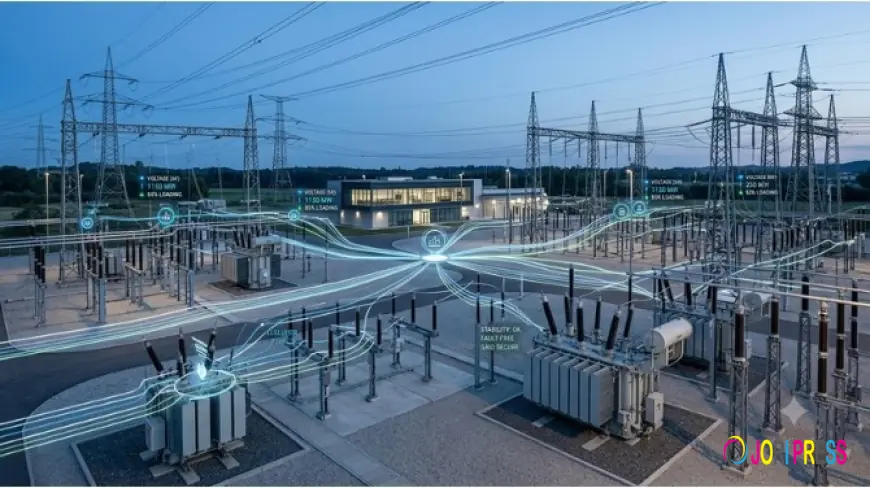
Electrical systems are designed to deliver reliable power, but they can also present serious hazards when faults occur. One of the most dangerous events in an electrical installation is an arc flash—a sudden release of electrical energy that can produce extreme heat, intense light, pressure, and molten metal.
For facilities operating medium- and high-voltage equipment, understanding and controlling this risk is an important part of responsible electrical engineering. This is where arc flash studies play a critical role. By analyzing electrical system conditions and identifying potential arc flash hazards, engineers can help organizations improve worker safety, protect equipment, and support compliance with applicable electrical safety requirements.
What Is an Arc Flash Study?
An arc flash study is an engineering assessment used to determine the potential hazards associated with an electrical arc fault. It evaluates how much energy could be released during a fault and how that energy may affect personnel working near energized equipment.
A professional arc flash analysis typically examines information such as available fault current, equipment characteristics, protective device settings, conductor data, transformer ratings, and system configuration. Engineers use this information to model possible fault conditions and determine incident energy levels and arc flash boundaries.
The results can then be used to develop appropriate safety measures, equipment labels, protective procedures, and recommendations for improving the electrical system.
Rather than treating arc flash as an isolated safety issue, organizations can use the study as part of a broader approach to electrical system risk management.
Why Arc Flash Analysis Is Important for Electrical Safety
Electrical workers may need to inspect, operate, test, or maintain equipment while it is energized or potentially energized. If a fault occurs during this work, the consequences can be severe.
An arc flash can generate extremely high temperatures within a fraction of a second. The resulting thermal energy can cause serious burns, while the pressure wave and flying debris can create additional hazards. Damage to switchgear, panels, transformers, and other electrical equipment can also result in costly downtime.
A detailed arc flash analysis helps identify areas where the risk may be significant. It provides engineers and facility managers with information that can support safer work practices.
For example, study results can help determine appropriate personal protective equipment, establish restricted or arc flash boundaries, improve equipment labeling, and identify opportunities to reduce incident energy.
This makes arc flash assessment an important component of modern electrical safety planning.
How Arc Flash Studies Support Compliance
Electrical safety is not simply about installing equipment correctly. Organizations also need effective procedures for operating and maintaining electrical systems safely.
Arc flash studies can support compliance programs by providing engineering data that can be incorporated into electrical safety procedures and workplace practices. Depending on the facility, applicable requirements may include recognized electrical safety standards, local regulations, utility requirements, and industry-specific practices.
A properly documented study can also demonstrate that an organization has taken a systematic approach to identifying electrical hazards.
However, compliance should not be viewed as the only reason to perform an arc flash study. The primary objective is to reduce risk to people. Compliance requirements provide an important framework, while engineering analysis helps organizations understand the actual conditions within their electrical network.
What Does an Arc Flash Study Evaluate?
A comprehensive assessment usually begins with accurate information about the facility's electrical distribution system. Engineers may review single-line diagrams, equipment ratings, transformer data, cable specifications, protective devices, breaker settings, and other relevant system information.
The study may include several important analyses:
- Short-circuit or fault-current analysis
- Protective device coordination
- Arc flash incident-energy calculations
- Arc flash boundary determination
- Review of protective device settings
- Identification of equipment with elevated incident energy
- Recommendations for reducing electrical hazards
These analyses are closely connected. For example, protective device operating times can influence the amount of energy released during an arc fault. A faster clearing time may reduce incident energy in certain circumstances.
This is why effective electrical safety studies should consider the electrical system as an interconnected network rather than evaluating individual pieces of equipment in isolation.
Reducing Risk Through Better System Design
One of the greatest benefits of an arc flash assessment is that it can reveal opportunities to improve the electrical system itself.
In some cases, the analysis may identify protective devices that require setting adjustments or coordination improvements. In other situations, engineers may recommend equipment modifications, maintenance strategies, remote operation solutions, or other engineering controls.
The objective is not simply to produce a report. The real value comes from using the findings to make informed decisions.
For new facilities, incorporating arc flash considerations during the design stage can also be beneficial. Engineers can evaluate equipment configurations and protection strategies before construction, potentially avoiding design choices that could create unnecessary safety risks later.
For existing facilities, periodic review becomes important when significant changes are made to the electrical system, such as adding transformers, generators, motors, renewable energy sources, or new distribution equipment.
Building a Safer and More Reliable Electrical System
Arc flash safety is closely connected to overall power system reliability. A well-engineered electrical system should not only deliver power efficiently but should also provide appropriate protection when abnormal conditions occur.
Professional arc flash studies give facility owners, operators, and electrical professionals valuable insight into how their systems behave during fault conditions. Combined with short-circuit studies, coordination studies, and other electrical safety studies, arc flash assessments can provide a more complete understanding of electrical system performance.
For organizations managing industrial plants, commercial facilities, substations, power infrastructure, and other complex electrical networks, this information can support better maintenance planning, safer work practices, and more informed engineering decisions.
At Keentel Engineering, specialized power engineering services can help organizations evaluate electrical systems and address technical challenges through structured engineering analysis. A properly performed arc flash assessment is more than a compliance exercise—it is an investment in people, equipment, and long-term electrical reliability.
Ultimately, the goal of arc flash analysis is simple: understand the risk, control the hazard, and create a safer environment for everyone working around electrical equipment.
visit: Keentel Engineering
What's Your Reaction?
 Like
0
Like
0
 Dislike
0
Dislike
0
 Love
0
Love
0
 Funny
0
Funny
0
 Angry
0
Angry
0
 Sad
0
Sad
0
 Wow
0
Wow
0