









































What Type of Toilet Is Best for a Basement Bathroom?

Choosing the right toilet for a basement bathroom depends on the existing plumbing, the location of the sewer line, and the amount of space available. Unlike an upstairs bathroom, a basement may sit below the main drainage line, making installation more complicated. The best option is one that fits the home’s plumbing system, works reliably, and meets local building requirements.
1. Standard Gravity-Flush Toilet
A standard gravity-flush toilet is often the simplest choice when the basement already has suitable plumbing and a drain connected to the sewer or septic system. It uses gravity to move waste through the drainpipe, making it familiar and relatively easy to maintain.
This option can be cost-effective when rough-in plumbing is already installed. However, if the toilet sits below the sewer line, gravity alone may not provide enough drainage. A plumber can inspect the existing connections to determine whether this type of toilet is practical.
2. Upflush Toilet System
An upflush toilet is a popular solution for basement bathrooms where conventional drainage is difficult. It uses a macerating or pumping system to move waste upward into an appropriate drain line before it flows toward the sewer or septic system.
Because it can reduce the need to break into a concrete floor, an upflush system may simplify bathroom renovations. Homeowners should consider the pump’s maintenance requirements, noise level, installation instructions, and compatibility with the existing plumbing.
3. Sewage Ejector Pump Toilet
A sewage ejector system is another option when a basement bathroom is located below the main sewer line. Wastewater and toilet waste collect in a sealed basin, and a pump moves the waste to a higher drain line.
This setup can support a more conventional bathroom arrangement, particularly when the project includes a shower or sink. However, installation may involve excavation, electrical work, and additional plumbing. Professional installation helps ensure that the system is properly sized and vented.
4. Electric Incinerating Toilet
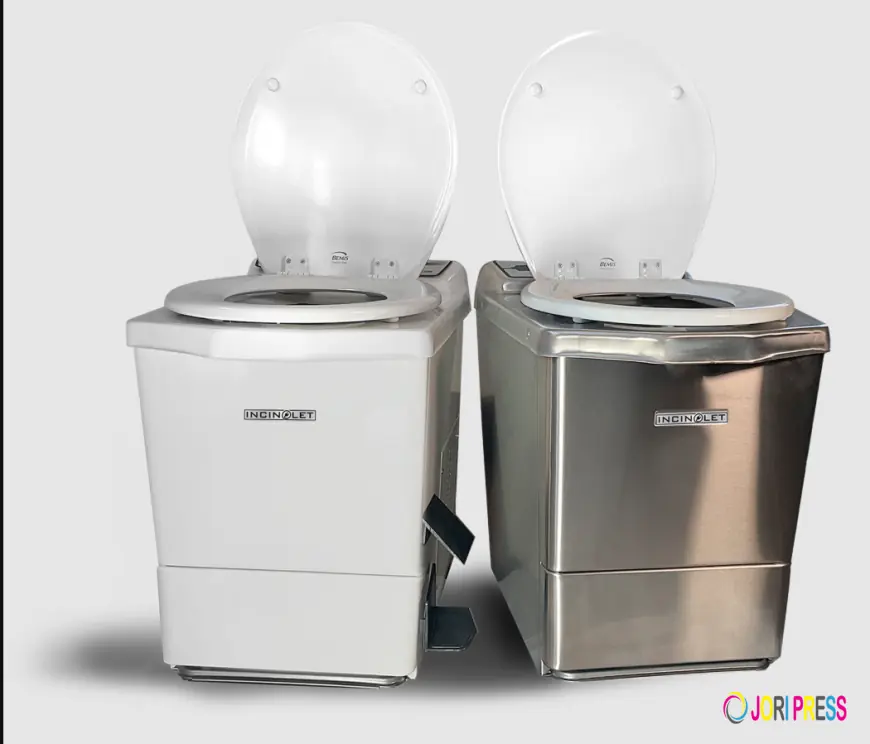
An electric incinerating toilet may be worth considering when connecting a basement toilet to conventional drainage is difficult or impractical. Instead of flushing waste into a sewer or septic system, it uses high heat to reduce toilet waste to a small amount of ash.
Incinolet offers electric incinerating toilets that operate without water-based flushing. This can make them an alternative for certain basement spaces, but they require electricity, suitable ventilation, and installation that complies with manufacturer instructions and local codes. They also do not handle wastewater from showers or sinks.
How to Choose the Right Basement Toilet
Before making a decision, evaluate the location of the sewer line, existing drain connections, available floor space, installation budget, and expected usage. Also check local plumbing codes and permit requirements.
For many homes, a gravity-flush toilet is the best choice when suitable drainage already exists. If the basement sits below the sewer line, an upflush toilet or sewage ejector system may be more appropriate. An electric incinerating toilet can provide another option where conventional plumbing is challenging, provided the space meets its electrical and ventilation requirements.
The right choice balances installation costs, long-term maintenance, and the practical needs of the household.
What's Your Reaction?
 Like
0
 Dislike
0
 Love
0
 Funny
0
 Angry
0
 Sad
0
 Wow
0