








































What to Wear on a Jungle Safari: The Ultimate Outfit Guide
Dressing for a jungle safari is about function over fashion — you need clothing that handles temperature swings (cold mornings, hot afternoons), protects against insects and thorny terrain, and keeps you camouflaged so you don't spook wildlife.

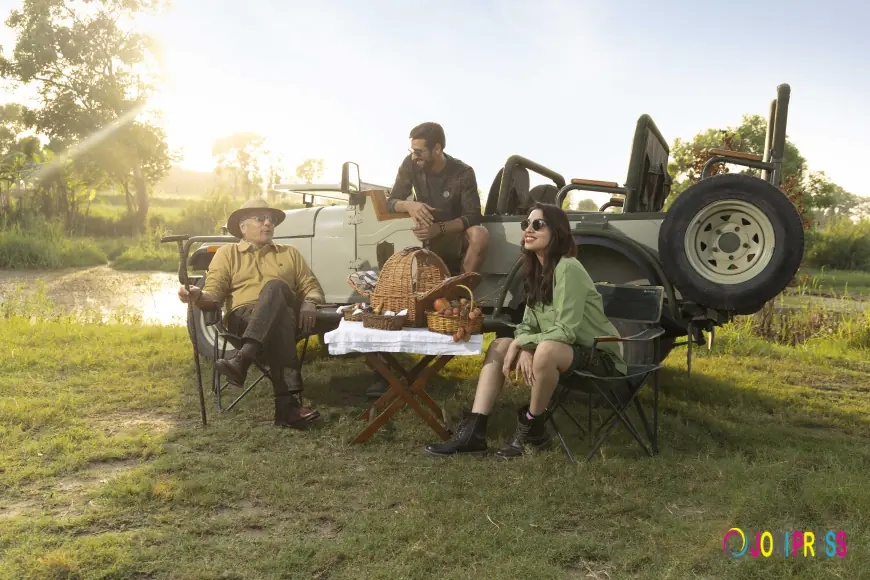
Packing for the wild is nothing like packing for a beach holiday or a city break. If you're wondering what to wear on safari, the short answer is: clothing that keeps you cool, covered, and comfortable for hours in unpredictable terrain. Get your jungle safari outfit right, and you'll spend your trip spotting tigers and birdlife instead of fighting sunburn, mosquito bites, or sweat-soaked shirts. Here's a complete, practical guide to dressing for the jungle.
Why Your Safari Outfit Actually Matters
A jungle safari isn't a casual walk in the park. You'll be riding open jeeps at dawn when it's chilly, trekking through humid undergrowth by noon, and sitting still for long stretches while wildlife-spotting. Your clothes need to handle temperature swings, protect you from thorns and insects, and blend into the environment so animals aren't startled. The right outfit isn't about looking good for photos (though it helps) — it's about function first.
1. Start With Breathable Cargo Pants
If there's one non-negotiable item on this list, it's a solid pair of breathable cargo pants. Jungle terrain means dust, mud, dense bushes, and biting insects, so shorts are rarely a good idea. Cargo pants offer full leg coverage while their lightweight, breathable fabric prevents overheating in humid conditions.
Look for pants made from quick-dry, moisture-wicking material — cotton blends or technical fabrics work best. The multiple pockets aren't just a style statement either; they're genuinely useful for stashing your phone, binoculars, insect repellent, and a small notebook without needing to carry a bag. Convertible cargo pants that zip off into shorts are a smart pick if you want flexibility for warmer afternoons.
Neutral tones — khaki, olive, beige, or muted brown — are ideal. They hide dust and dirt well and don't stand out against the natural backdrop, which matters when you're trying not to disturb wildlife.
2. Choose the Right Top
Pair your cargo pants with a full-sleeved, breathable cotton or technical fabric shirt. Long sleeves protect against sun exposure, scratches from branches, and mosquito bites, while still keeping you cool if the fabric is lightweight. Avoid bright colors like red, white, or neon — stick to earthy tones that keep you inconspicuous. A collared shirt adds extra sun protection for your neck.
3. Footwear: Don't Skimp Here
Closed, sturdy shoes are essential for any jungle safari outfit. Ankle-high trekking or hiking boots offer the best protection against uneven ground, thorny plants, and insects. Pair them with moisture-wicking socks, and consider tucking your pant hems into your socks or boots to keep ticks and ants out. Flip-flops or sandals should stay in your suitcase — they simply aren't safe for jungle terrain.
4. Layer for Temperature Swings
Most jungle safaris start early morning when temperatures can be surprisingly cold, especially in open jeeps. A lightweight jacket, fleece, or windbreaker that can be easily removed as the day warms up is essential. By midday layers come off; by evening game drives, they often go back on.
5. Protect Your Head and Eyes
A wide-brimmed hat or a breathable cap shields your face and neck from the sun during long hours outdoors. Sunglasses with UV protection reduce glare, especially useful near rivers or open grasslands where reflected sunlight can be intense.
6. Accessories That Make a Real Difference
- Insect repellent and a bandana or scarf to cover your nose and mouth in dusty stretches
- A small daypack to carry water, sunscreen, and camera gear
- Neutral-colored gloves if you're trekking through thick vegetation
- A reliable pair of binoculars — not clothing, but essential all the same
7. Colors to Avoid
Skip anything bright, white, or black. White gets dirty fast and stands out; black and dark blue attract insects, particularly tsetse flies in some regions. Stick to khaki, olive, brown, and sandy tones throughout your jungle safari outfit for both comfort and camouflage.
Where to Find Safari-Ready Clothing
Finding gear that's actually built for these conditions — rather than just labeled "outdoor" — makes a real difference. The Safari Stitch specializes in safari-appropriate clothing designed with breathable fabrics, functional pockets, and earthy tones suited for exactly this kind of adventure, taking the guesswork out of building your jungle-ready wardrobe.
Final Thoughts
When it comes to what to wear on safari, comfort, coverage, and color all matter more than style. A well-thought-out jungle safari outfit — anchored by breathable cargo pants, a long-sleeved shirt, sturdy boots, and the right accessories — will keep you comfortable through early morning chills, midday heat, and everything the jungle throws your way. Pack smart, dress in neutral layers, and you'll be free to focus on what really matters: the wildlife right in front of you.
What's Your Reaction?
 Like
0
Like
0
 Dislike
0
Dislike
0
 Love
0
Love
0
 Funny
0
Funny
0
 Angry
0
Angry
0
 Sad
0
Sad
0
 Wow
0
Wow
0