









































What Reel Design Features Matter Most When Selecting the Best Flipping Pitching Reel?
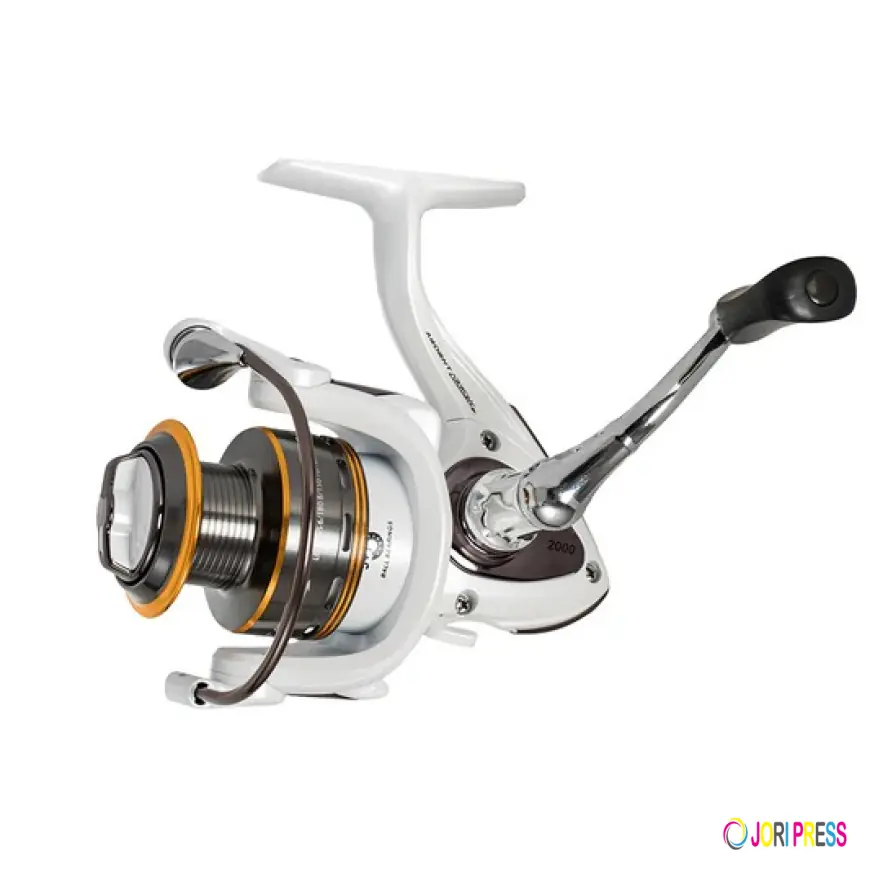
The best flipping pitching reel combines a fast gear ratio, a strong drag system, and a compact, comfortable frame. These features let anglers place a bait precisely next to cover and pull big bass out fast. Flipping and pitching are short-range, high-accuracy techniques, so the reel needs to match that job exactly.
Bass often sit tight against docks, laydowns, and thick grass. Getting a bait into these spots takes control, not brute force. The right reel design makes that control possible, cast after cast.
Why Reel Design Matters So Much?
Flipping and pitching are not casual casting styles. Anglers repeat the same motion dozens or even hundreds of times in a single outing, dropping a jig or Texas rig into precise spots. A reel that fights the angler, rather than working with them, leads to missed targets and tired hands by the end of the day.
Good reel design solves this in a few key ways:
- Faster hooksets when a fish bites in heavy cover
- Smoother line control for pinpoint bait placement
- Less fatigue during long days of repetitive casting
- Stronger pulling power to horse fish away from structure
Gear Ratio Comes First
Gear ratio plays a bigger role in flipping and pitching than in most other techniques. Since these methods often mean setting the hook fast in thick cover, a quick gear ratio helps take up slack line before a fish can wrap around a branch or dock post. Most flipping and pitching setups perform best with a gear ratio around 7.1:1 or higher. This speed helps in two ways:
- It picks up line fast after a short cast
- It drives a hookset home before a fish can bury itself in cover
Slower ratios still have their place for deep, methodical presentations, but fast gear ratios are the standard choice for close-quarters bass fishing.
Drag System and Frame Strength
A strong, smooth drag matters just as much as speed. Bass hooked in heavy cover fight hard right from the start, and a weak drag can lose fish before the fight even gets going. Look for reels built with:
- A reinforced drag system that holds up under sudden pressure
- A rigid frame that resists flex when fighting a big fish
- Solid internal gearing that can handle heavy jigs and thick line
A reel that flexes or slips under load makes it much harder to control a fish once it is hooked, especially near structure where every second counts.
Braking and Casting Control
Backlash is the enemy of flipping and pitching. Since casts are short and repeated often, a reel with poor braking control leads to constant tangles and wasted time. Magnetic and centrifugal braking systems both help control the spool during short casts. A well-tuned brake lets the bait drop smoothly and accurately, without overrunning the spool.
Anglers who fish heavy cover often prefer reels with adjustable magnetic brakes, since they can fine-tune the setting based on lure weight and casting distance. Some reels also include a flipping switch, which lets anglers make quick, one-handed pitches without touching the traditional thumb bar. This small feature adds speed and efficiency for anglers making repeated short casts throughout the day.
Ergonomics and Comfort
Comfort is easy to overlook, but it matters over a full day of fishing. A compact, low-profile frame reduces hand fatigue and improves leverage during hooksets. Anglers making hundreds of pitches in a single trip need a reel that feels natural in the hand, not one that adds strain with every cast.
Lightweight materials, like aluminum or carbon side plates, help cut down on overall reel weight without sacrificing strength. This balance between light weight and durability is part of what separates a good flipping and pitching reel from an average one.
Where High Quality Spinning Reels Fit In
While baitcasting reels dominate flipping and pitching, high-quality spinning reels still play a role for anglers working lighter baits or fishing finesse presentations around the same cover. Spinning gear offers easier casting for beginners and works well with lighter line, making it a useful backup setup for open pockets within heavy cover.
Serious anglers often carry both types of gear, switching based on lure weight, line size, and how tight the target really is.
Final Thoughts
Choosing the right reel for flipping and pitching comes down to matching gear ratio, drag strength, braking control, and comfort to the demands of close-range bass fishing. These design features work together, and skipping any one of them can cost an angler fish in tight cover.
Ardent has built reels around these same priorities, giving anglers dependable performance whether they are pitching jigs under a dock or working high-quality spinning reels around open pockets in the grass. Anglers hunting for the best flipping/pitching reel should weigh gear ratio and drag strength first, then let comfort and casting feel guide the final choice.
What's Your Reaction?
 Like
0
Like
0
 Dislike
0
Dislike
0
 Love
0
Love
0
 Funny
0
Funny
0
 Angry
0
Angry
0
 Sad
0
Sad
0
 Wow
0
Wow
0