





































Planning Better Water Systems for Modern Buildings
-
Reliable water management involves more than bringing water into a building. Residential complexes, hotels, offices, factories, and construction sites must also maintain suitable pressure, move wastewater safely, manage excess water, and address water quality. Each application has different operating conditions, so equipment should be selected after reviewing the source, demand, pipe layout, available space, and intended use.
A coordinated plan can help prevent interruptions and make maintenance easier. It also allows owners and facility managers to consider how pumping, drainage, and treatment equipment work together instead of treating every requirement as a separate problem.
Maintaining Consistent Supply
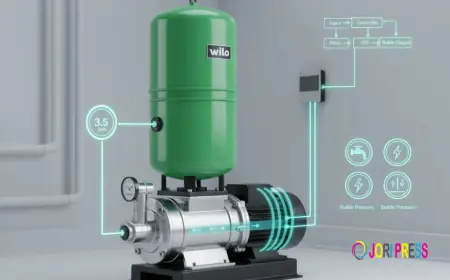
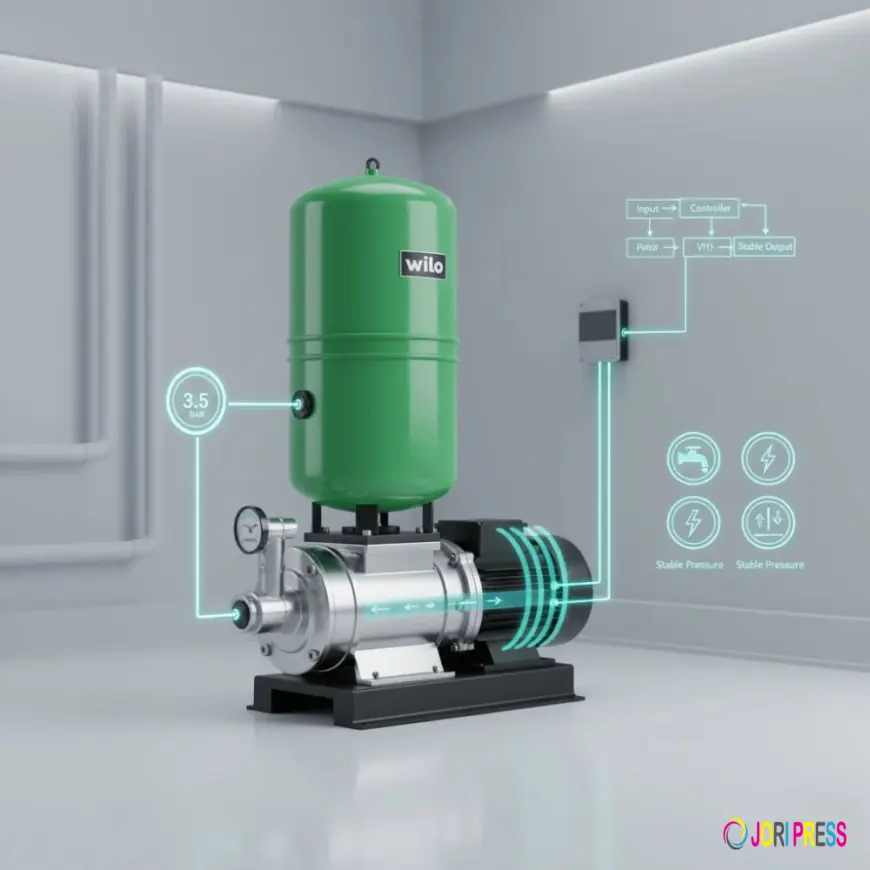
In multi-storey buildings, water demand can change throughout the day. A properly selected hydro pneumatic system can help maintain suitable distribution pressure as different outlets open and close. The design should account for building height, expected flow, pipe friction, and peak usage rather than relying on pump capacity alone.
Choosing a water pressure booster pump therefore starts with understanding the actual duty point and the conditions in which the equipment will operate. Correct sizing can help avoid inadequate delivery as well as unnecessary energy use.
Homes have their own requirements. A Domestic Pressure Booster System may be suitable where upper floors or multiple bathrooms experience inconsistent supply. A Pressure Booster System should be matched to the existing plumbing, storage arrangement, and household demand. Noise, access for servicing, electrical protection, and installation space are also worth considering when selecting a water pressure booster.
Where water is drawn from a sump or borewell, a Submersible Booster System may be appropriate for the source and installation conditions. The pump arrangement, delivery head, water level, and required flow should be checked before installation.
Moving Wastewater and Removing Excess Water
Wastewater collection points in buildings need dependable transfer arrangements. Sewage Pumps are selected according to the liquid being handled, solids content, discharge route, and operating cycle. Access for inspection and maintenance should be considered at the planning stage, particularly where equipment serves occupied buildings.
Rainfall, seepage, or construction activity can also leave water in basements, lift pits, excavations, and other low areas. Dewatering Pumps help remove this accumulated water when selected for the site's flow and discharge requirements. A suitable dewatering pump should also be assessed for sediment, duty duration, power availability, and the route used to carry water away.
For well-based supply, a Submersible Pump can be considered where the source depth and operating conditions suit submerged installation. An Openwell Submersible Pump is intended for compatible openwell arrangements. Well dimensions, seasonal water levels, and the required delivery rate all influence the choice.
Treating Water for Its Intended Use
Water quality should be assessed before choosing a treatment process. Water Treatment Plants can be configured around the characteristics of the incoming supply and the quality needed for the application. Testing helps identify which treatment stages are relevant and avoids selecting equipment without a clear purpose.
Where dissolved substances need to be reduced, a RO system may be considered after reviewing feedwater quality, expected output, and operating requirements. Filter and membrane maintenance should form part of the ongoing service plan.
Wastewater needs a separate approach. Sewage Treatment Plants are planned according to the volume and characteristics of the incoming sewage, the available footprint, and applicable treatment and discharge requirements. Routine monitoring and maintenance help keep the process operating as intended.
Considering the Complete Building System
Some facilities also require equipment for heating applications. MG heat pumps may be evaluated where heat transfer is part of the building's operational needs, with selection based on the application and site conditions.
MG Projects provides engineered solutions across pumping and water-management applications. A sound project begins with a clear assessment, followed by suitable equipment selection, proper installation, commissioning, and planned maintenance. When these steps are considered together, residential, commercial, and industrial properties can build systems that meet practical operating needs and remain easier to manage over time.
What's Your Reaction?
 Like
0
 Dislike
0
 Love
0
 Funny
0
 Angry
0
 Sad
0
 Wow
0