




































What is EPR Registration and Why is it Required in India?
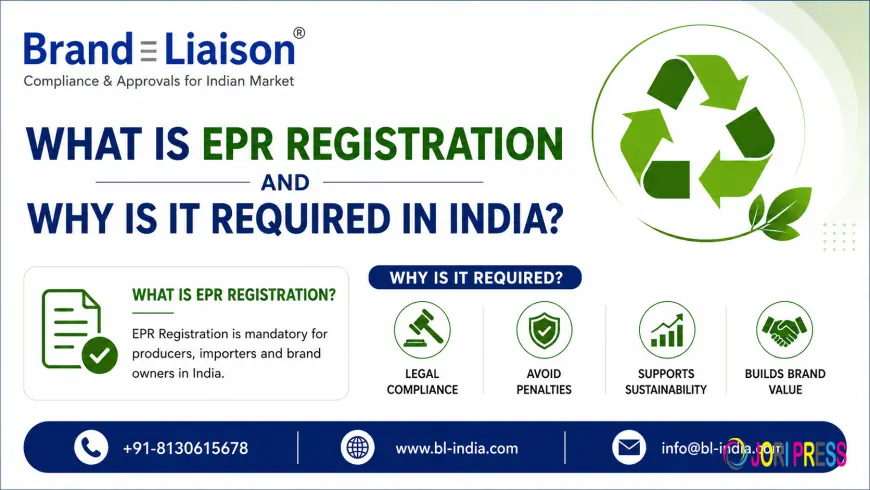
India is focusing on protecting the environment and improving waste management. As industries grow and product usage increases, proper waste handling has become more important. To manage this, the government introduced Extended Producer Responsibility (EPR).
Under EPR, businesses are responsible for handling the waste generated from the products they sell in the market. This helps promote recycling, reduce pollution, and support environmentally responsible practices.
For manufacturers, importers, and brand owners, obtaining EPR Registration may be required depending on applicable regulations. Many businesses work with an EPR Certificate Consultant to understand requirements and complete the registration process efficiently. Brand Liaison provides complete support to help businesses complete the registration process easily.
What is EPR Registration?
EPR Registration stands for Extended Producer Responsibility. It is a mandatory requirement under India’s waste management rules to ensure proper handling of waste generated after products are used.
Under EPR, producers are responsible for collecting, recycling, and managing waste created by their products. The main purpose is to reduce environmental pollution and encourage responsible waste management.
The EPR Registration Certificate allows Producers, Importers, and Brand Owners (PIBOs) to operate in India while following waste collection and recycling requirements. The certificate is issued by the Central Pollution Control Board (CPCB) after successful registration and approval.
Many companies work with an EPR Registration Consultant to understand the requirements and complete the registration process more easily.
Why is EPR Registration required in India?
EPR Registration is required in India for legal compliance and to improve waste management. It encourages businesses to manage waste responsibly. It helps ensure that products are collected, recycled, and disposed of properly after use.
Some important reasons why an EPR is required in India include:
Regulatory Compliance
Businesses selling or dealing with the notified products that are covered under EPR rules must follow government requirements to operate smoothly.
Improved Business Credibility
Following environmental regulations helps businesses build trust and show responsible practices.
Environmental Protection
EPR helps reduce environmental pollution by ensuring proper collection and disposal of waste materials.
Better Waste Management
It supports organized recycling systems and encourages responsible handling of waste.
Resource Conservation
Recycling and responsible disposal reduce pressure on natural resources and support sustainable growth.
Support for Recycling and Reuse
EPR encourages the reuse and recycling of materials, which helps reduce waste generation.
Who needs EPR Registration?
Businesses involved in manufacturing, importing, or selling products covered under EPR regulations mandatorily need EPR Registration to comply with waste management requirements.
Industries that commonly require EPR Registration include:
-
Importers (Producers), Recyclers, Refurbishers, and Indian manufacturers of electrical and electronic equipment need an EPR registration for electronics.
-
Producers (Indian manufacturers), Importers, Brand Owners, and Plastic Waste Processors (PWPs) dealing with plastic products and packaging categories in India need an EPR certificate for plastics.
-
Indian Producers (importer & manufacturer), recyclers, and refurbishers of batteries and related products require a mandatory EPR license for batteries.
-
Indian Producers (manufacturers & importers), recyclers, and retreaders of tyres need an EPR certification for tyres.
-
Importer, Collection Agent, Producer (Indian Manufacturer), and Recycler/Co-Processor of the notified oil category require an EPR registration for used oil management.
If your product falls under any other EPR category type, abiding by the market regulations is important. For example, manufacturers who are producing mobile phones require a mandatory EPR registration for mobile phones to be eligible for sale in India.
Thus, in order to simplify the process, many businesses choose to work with an EPR Certificate Agent to understand requirements and complete the registration process more easily.
Step-by-Step Process for EPR Registration in India
Before starting the process, it is advised to check your eligibility for EPR Registration to confirm whether your products require registration under applicable regulations.
Step 1: Preparation of the Documents
The applicant should prepare all required documents according to the prescribed checklist. Proper documentation helps ensure a smooth registration process and reduces the chances of delays.
Step 2: Submission of the Application
After preparing the documents, the applicant must submit the application along with all required documents to the EPR authorities to begin the registration process.
Step 3: Review and Verification
After submission, the Central Pollution Control Board (CPCB) reviews and verifies the application, supporting documents, and necessary facilities to confirm compliance requirements.
Step 4: Grant of EPR Certification
Once the details and compliance requirements are successfully verified, the EPR Certification is granted to the applicant, allowing the business to operate in accordance with applicable EPR regulations.
Why choose Brand Liaison?
Brand Liaison, being the top EPR certificate agent, provides complete support to businesses applying for EPR Registration and meeting compliance requirements.
Our services include:
-
Product and business eligibility assessment
-
Documentation support
-
Application filing assistance
-
Compliance guidance
-
Registration coordination
-
End-to-end support
As an experienced EPR Registration Agent, Brand Liaison helps businesses complete registration requirements smoothly and efficiently.
Our team also supports businesses looking for an EPR Service Provider for smooth registration and compliance management.
We aim to make the entire process easy and help businesses complete EPR compliance with confidence.
Conclusion
EPR Registration is important for improving waste management and encouraging responsible environmental practices in India. Businesses selling products that are covered under applicable regulations should complete the registration process to meet compliance requirements and support sustainable growth.
Understanding the process, preparing the required documents, and following the applicable guidelines can help businesses obtain approvals more smoothly.
Brand Liaison supports manufacturers, importers, and brand owners throughout the EPR registration process and helps make compliance simpler and more efficient.
FAQs
1. What is EPR Registration?
EPR Registration is a compliance requirement that makes businesses responsible for collecting, recycling, and managing waste generated from their products.
2. Who needs EPR Registration in India?
Manufacturers, importers, producers, and brand owners of applicable products require registration.
3. Is EPR Registration mandatory?
Yes, EPR Registration may be mandatory depending on the product category and applicable regulations.
4. Can importers apply for EPR Registration?
Yes, importers can apply for EPR Registration if their products fall under EPR requirements.
5. How can Brand Liaison help?
Brand Liaison provides complete support with documentation, application submission, compliance guidance, and EPR registration assistance.
What's Your Reaction?
 Like
0
Like
0
 Dislike
0
Dislike
0
 Love
0
Love
0
 Funny
0
Funny
0
 Angry
0
Angry
0
 Sad
0
Sad
0
 Wow
0
Wow
0