





































Understanding Uterine Artery Embolization as a Minimally Invasive Treatment for Fibroids
Learn how uterine artery embolization treats fibroids through a minimally invasive approach, reducing symptoms, shrinking fibroids, supporting faster recovery, and providing an alternative to traditional surgical procedures.

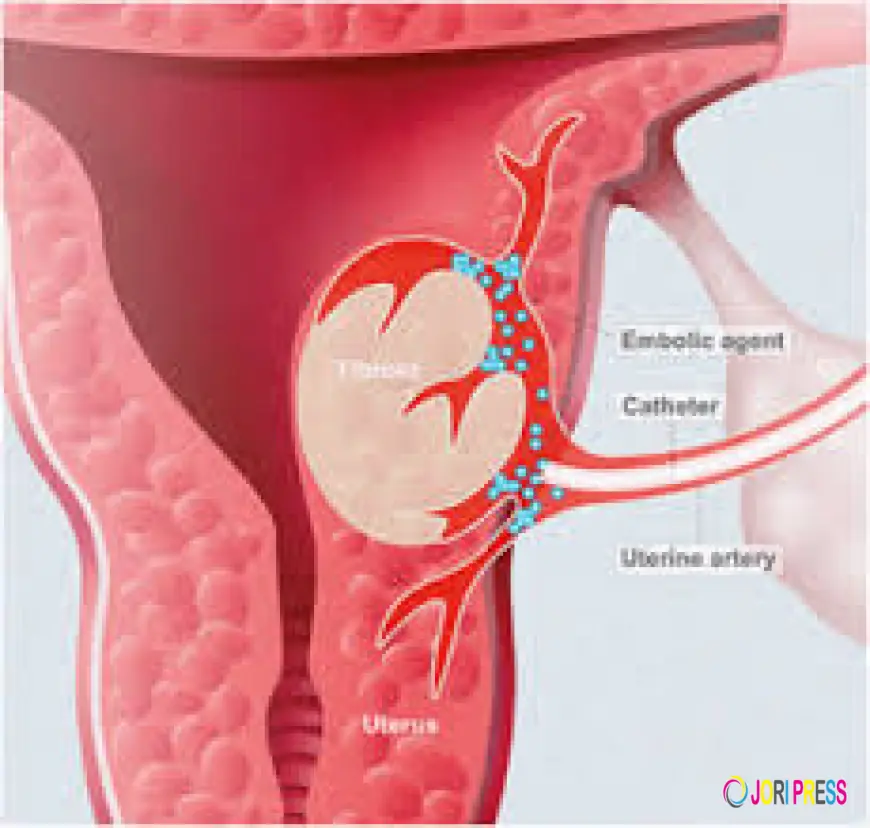
Uterine fibroids are noncancerous growths that develop within or around the uterus and affect millions of women worldwide. While many fibroids remain small and symptom-free, others can cause heavy menstrual bleeding, pelvic pain, pressure, and fertility concerns. One increasingly popular treatment option is uterine artery embolization, a minimally invasive procedure designed to shrink fibroids without major surgery. uterine artery embolization often abbreviated as UAE, works by cutting off the blood supply to fibroids. During the procedure, a specialist inserts a thin catheter into an artery, usually through the wrist or groin, and guides it toward the uterine arteries. Tiny particles are then injected to block blood flow to the fibroids, causing them to shrink over time while preserving the healthy tissue of the uterus.
One of the biggest advantages of this treatment is that it does not require large incisions or the removal of the uterus. For women who wish to avoid hysterectomy or lengthy recovery periods, uterine artery embolization can provide significant symptom relief with less downtime. Many patients return to their normal routines within a couple of weeks, although recovery experiences vary depending on individual health and the size of the treated fibroids.
Fibroids can produce a variety of symptoms that interfere with daily life. Heavy or prolonged menstrual bleeding is among the most common complaints and may lead to anemia and fatigue. Pelvic discomfort, pressure on the bladder, constipation, lower back pain, and pain during intercourse may also occur. Large fibroids can even contribute to abdominal swelling that resembles weight gain or pregnancy.
Not every woman with fibroids requires treatment. In cases where symptoms are mild or absent, physicians may recommend regular monitoring. However, when fibroids significantly affect quality of life, intervention becomes an important consideration. Treatment options include medications, surgical removal of fibroids, hysterectomy, and minimally invasive procedures such as uterine artery embolization.
Before recommending UAE, healthcare providers conduct thorough evaluations using imaging studies like ultrasound or MRI scans. These tests determine the number, size, and location of fibroids while ruling out other conditions that may require different management strategies. A patient's age, reproductive goals, overall health, and medical history are also considered when selecting the most appropriate treatment.
The procedure itself is typically performed by an interventional radiologist. Local anesthesia and sedation are commonly used, allowing patients to remain comfortable without undergoing general anesthesia. Once the blood vessels supplying the fibroids are blocked, the growths gradually shrink over several months, often resulting in reduced bleeding and relief from pressure-related symptoms.
Most patients experience temporary cramping, fatigue, or mild discomfort after the procedure as the fibroids lose their blood supply. Pain medications and supportive care usually manage these symptoms effectively. Hospital stays are often brief, and some patients return home the same day depending on their condition and medical recommendations.
Clinical studies have demonstrated that uterine artery embolization provides long-lasting symptom improvement for many women. Significant reductions in menstrual bleeding and pelvic pressure often occur within months, while fibroid volume continues to decrease over time. The minimally invasive nature of the procedure also lowers many risks associated with major abdominal surgery.
Despite its advantages, UAE may not be suitable for every patient. Women with active pelvic infections, certain vascular conditions, or suspected uterine cancers may require different treatment approaches. Additionally, those planning future pregnancies should discuss reproductive considerations with their healthcare providers, as ongoing research continues to evaluate fertility outcomes following embolization.
Lifestyle habits can also support overall reproductive and vascular health. Maintaining a balanced diet, engaging in regular physical activity, managing body weight, and attending routine gynecological examinations contribute to early detection and overall wellness. Although these measures cannot always prevent fibroids, they encourage proactive healthcare management.
Patient education remains an important part of successful treatment. Understanding the benefits, limitations, recovery expectations, and possible side effects allows individuals to make informed decisions alongside their medical teams. Asking questions about available options ensures that care aligns with personal health goals and preferences.
Medical technology has significantly improved minimally invasive procedures in recent years. Advanced imaging systems allow physicians to precisely target blood vessels feeding fibroids while minimizing effects on surrounding tissues. These innovations continue to make uterine artery embolization an attractive option for appropriately selected patients seeking symptom relief without extensive surgery.
Follow-up care after UAE includes periodic medical visits and imaging to monitor fibroid shrinkage and symptom improvement. Patients should promptly report unusual pain, fever, excessive bleeding, or signs of infection to their healthcare providers. Most women experience gradual and sustained improvements over several months as the treated fibroids continue to shrink. By offering a minimally invasive alternative to conventional surgery, UAE expands treatment choices and empowers patients to select options that fit their medical needs and lifestyles.
Healthcare providers often encourage individualized treatment planning because no single solution works for every patient. Factors such as fibroid characteristics, age, symptom severity, and reproductive plans all influence the best course of action. Shared decision-making between patients and specialists leads to more personalized and satisfactory outcomes.
As awareness grows, more women are learning about alternatives beyond traditional surgery for fibroid management. Educational resources and discussions with qualified healthcare professionals help patients understand available treatments and realistic expectations.Finally, remembering write title for uterine artery embolization within educational materials can encourage broader awareness and help individuals discover minimally invasive solutions that improve comfort, preserve daily activities, and support informed healthcare decisions.
What's Your Reaction?
 Like
0
Like
0
 Dislike
0
Dislike
0
 Love
0
Love
0
 Funny
0
Funny
0
 Angry
0
Angry
0
 Sad
0
Sad
0
 Wow
0
Wow
0