









































Understanding Heart Attack: Signs, Risk Factors and Causes
Recognise the symptoms of a heart attack, the various causes and risk factors, and the cutting-edge diagnosis and treatment options, so you can seek timely medical intervention in case of heart emergency situations.
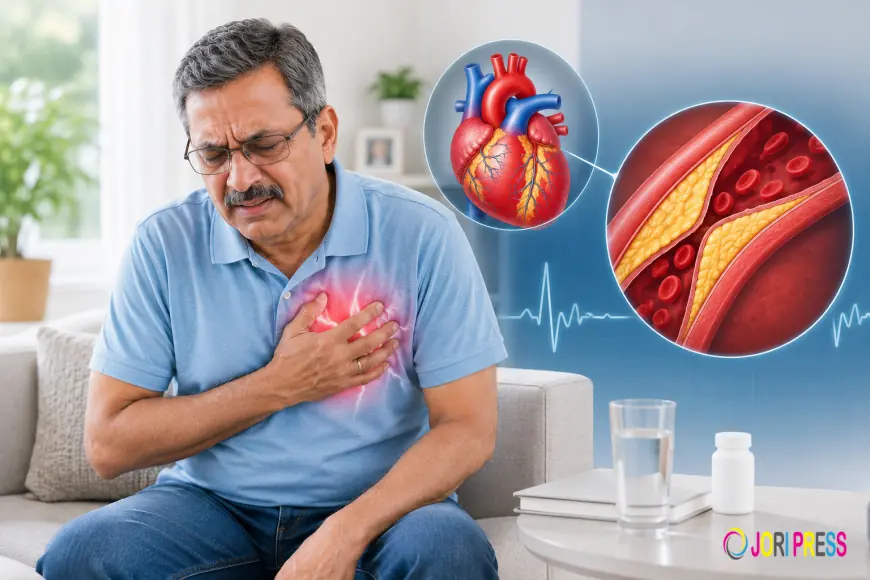
Medically called myocardial infarction (MI), a heart attack happens when the blood flow to a part of the heart’s muscle is restricted or is completely blocked. If the patient does not get timely medical attention, the heart muscle suffers permanent damage, and it can lead to serious consequences, in some cases death.
Sometimes heart attack and cardiac arrest are used interchangeably, but they’re not the same. In a heart attack scenario, the heart beats but gets stressed with the lack of optimum oxygen-rich blood supply; in cardiac arrest, however, the heart stops beating completely. A cardiac arrest is more of an electrical malfunction in the heart, cutting off the blood flow to the brain and the organs, causing immediate loss of consciousness.
Common Symptoms of Heart Attack
The first thing we must focus on when it comes to a heart attack is the signs and symptoms of a heart attack. The problem is that most of the signs are subtle and can be easily ignored. Also, the symptoms of a heart attack are different in different people; for instance, women may experience fatigue or nausea but do not feel chest pain. This makes it even more important not to ignore any unusual bodily discomfort, no matter how small.
-
Chest pain or discomfort
-
Pain or discomfort in arms, upper back, neck and jaw
-
Shortness of breath
-
Cold sweat and nausea
-
Light-headedness or fainting
-
Unexplained severe fatigue
Causes of Heart Attack
To take preventive measures for a heart attack and live a heart-healthy life, it is as important to know about the risk factors of heart attack as it is to know about its signs and symptoms.
A heart attack is a sudden occurrence, but it is the result of years of unhealthy habits or, in some cases, underlying conditions or even age.
The Major Risk Factors
-
High BP and high Cholesterol
-
Diabetes or Insulin resistance
-
Tobacco smoking
-
Sedentary lifestyle
-
Stress and poor sleep patterns
-
Obesity
-
Poor dietary habits
-
Family history of heart disease
-
Age
How to Respond to a Heart Attack Situation: First Aid
1. Act fast and act immediately. Remember, every second counts.
2. Call for emergency medical help instantly.
3. Help the person remain calm, loosen any tight clothing, and make sure they’re in a comfortable position.
5. Do not leave the person alone till the medical help arrives.
6. If the person becomes unconscious, ask the emergency helpline operator to guide you further.
Understanding and training in first aid during a heart attack can make a difference between life and death. Learn if you can.
Heart-Likes Proactive Measures
-
It is always a good idea to take proactive measures for your heart’s health
-
Keep Cholesterol, BP, and Blood Sugar in check
-
Eat a balanced diet: Include fruits, vegetables, whole grains, lean proteins, and healthy fats to support cardiovascular health
-
Stay physically active and maintain a healthy weight
-
Avoid smoking and alcohol intake
-
Manage stress and sleep cycles
-
Get your heart health checked regularly
What's Your Reaction?
 Like
0
Like
0
 Dislike
0
Dislike
0
 Love
0
Love
0
 Funny
0
Funny
0
 Angry
0
Angry
0
 Sad
0
Sad
0
 Wow
0
Wow
0