









































The Technology Behind Modern Prediction Market Platforms
Curious about how prediction market platforms work? Explore the technologies, tools, and architecture that power secure and scalable platforms.

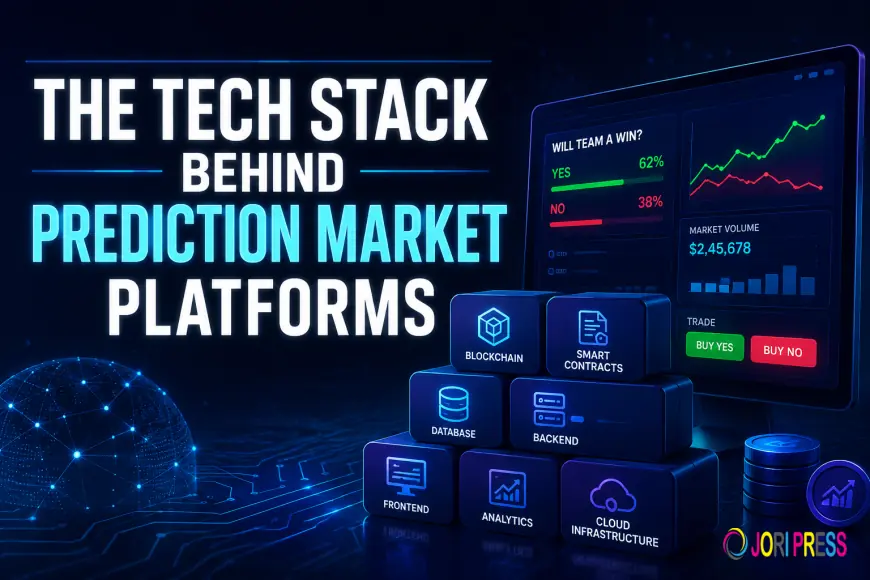
Prediction market platforms are becoming increasingly popular because they combine technology, user engagement, and data-driven forecasting into a single ecosystem. Whether users are predicting sports outcomes, cryptocurrency trends, elections, or business events, the experience feels simple on the surface. Behind the scenes, however, a carefully designed technology stack ensures that every prediction, transaction, and result is processed securely and efficiently.
The foundation of any prediction market platform begins with a scalable frontend. Technologies such as React, Angular, or Vue.js are commonly used to create responsive user interfaces that work seamlessly across desktops and mobile devices. Since prediction markets rely on real-time updates, users expect odds, prices, and market changes to appear instantly without refreshing the page.
On the backend, frameworks like Node.js, Python, Java, or .NET handle the core business logic. This is where user authentication, event management, prediction processing, wallet management, and transaction validation take place. A robust backend is essential because even a slight delay can affect the user experience during periods of high activity.
The database is another critical component. Relational databases such as PostgreSQL or MySQL are often used to store structured data, while NoSQL databases like MongoDB may be used for handling flexible datasets and high-volume application logs. Choosing the right database depends on the platform's requirements for speed, scalability, and consistency.
For platforms that support blockchain functionality, smart contracts play an important role. They can automate market settlement, improve transparency, and reduce the need for manual intervention. Depending on the project, developers may integrate networks such as Ethereum or other compatible blockchain ecosystems to execute these contracts securely.
Real-time communication is equally important. Technologies like WebSockets enable instant updates for market prices, user activity, and event outcomes. Without this capability, prediction markets would struggle to deliver the live experience that users expect.
Security cannot be overlooked. Features such as encrypted communication, two-factor authentication, secure payment gateways, role-based access control, and fraud detection mechanisms help protect both user data and financial transactions. As platforms grow, cloud services like AWS, Google Cloud, or Microsoft Azure are often used to support scalability, automated backups, and high availability.
Analytics also plays a significant role in improving platform performance. By monitoring user behavior, transaction patterns, and engagement metrics, businesses can make informed decisions about new features and optimize the overall user experience.
Building a successful prediction market platform is about more than selecting modern technologies. It's about combining the right tools to create a secure, scalable, and engaging product that can adapt to future growth.
If you're interested in learning more about the technologies, features, and development process involved in building a prediction market platform, this detailed guide offers valuable insights.
For more details visit our website : Pixelwebsolutions.com
What's Your Reaction?
 Like
0
Like
0
 Dislike
0
Dislike
0
 Love
0
Love
0
 Funny
0
Funny
0
 Angry
0
Angry
0
 Sad
0
Sad
0
 Wow
0
Wow
0