



































How to Find Hard-to-Source NOS Oldsmobile Parts for Restoration
Discover how to find hard-to-source NOS Oldsmobile Parts for restoration. Learn where to search, verify fitment, and choose authentic parts with confidence.

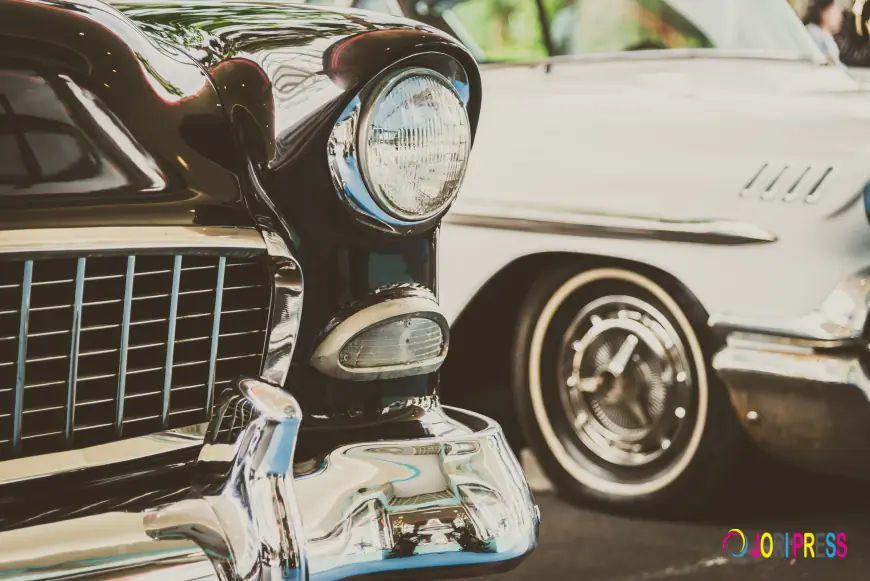
Restoring a classic Oldsmobile is more than repairing an old vehicle. It is about preserving a piece of automotive history. Every emblem, trim piece, engine component, interior detail, and mechanical part can contribute to the authenticity and character of the finished automobile. For serious collectors and restoration enthusiasts, finding the right original component is often one of the most challenging parts of the project.
This is where NOS Oldsmobile Parts become especially valuable.
NOS stands for New Old Stock. These are original parts that were manufactured years ago but were never installed on a vehicle. They may have spent decades in dealership inventories, warehouses, private collections, or parts storage facilities. Because they were produced during the original manufacturing period, NOS components can provide a level of authenticity that modern reproduction parts may not always deliver.
The challenge is finding them.
Some Oldsmobile components are relatively easy to locate, while others can take weeks, months, or even years of searching. Rare trim pieces, specific emblems, interior components, engine parts, brackets, hardware, and model-specific accessories may no longer be widely available.
Fortunately, there are effective ways to improve your search.
Whether you are restoring a Cutlass, 442, F-85, Delta 88, 98, Toronado, Starfire, or another classic Oldsmobile, understanding where to look, how to identify a genuine NOS component, and how to verify fitment can make your restoration journey much easier.
This guide explains practical strategies for finding hard-to-source Oldsmobile components and working with a specialist such as Bop Parts - Oldsmobile Auto/Car Parts Dealer Online.
What Makes NOS Oldsmobile Parts So Difficult to Find?
Before discussing where to search, it helps to understand why certain components are difficult to source.
Classic Oldsmobiles were produced decades ago. Original dealerships and parts departments once stocked replacement components for these vehicles, but those inventories did not remain intact forever.
Many original parts were:
-
Sold as replacement components
-
Installed on vehicles
-
Discarded during repairs
-
Lost during dealership closures
-
Damaged through improper storage
-
Purchased by collectors
-
Stored in private warehouses
-
Removed from discontinued inventory
As a result, the remaining supply of some components can be extremely limited.
The situation becomes even more challenging when you need a specific version of a part. A component may have been produced for only one model year, body style, engine configuration, or factory option.
That is why sourcing NOS Oldsmobile Parts often requires more research than simply searching for a generic replacement.
Start by Identifying Exactly What You Need
One of the most important rules of classic restoration is simple: do not start searching until you know exactly what you are looking for.
A vague search such as "Oldsmobile engine parts" may produce thousands of results but very few useful matches.
Instead, create a detailed description of the required component.
Record:
-
Vehicle year
-
Oldsmobile model
-
Series
-
Body style
-
Engine
-
Transmission
-
Factory options
-
Original part number
-
Casting number
-
Engineering number
-
Dimensions
-
Location of the component
-
Original finish or material
This information dramatically improves your chances of finding the correct component.
For example, if you need a specific trim piece, knowing the model year and body style may distinguish it from several similar-looking parts.
When searching for oldsmobile Auto/car Parts, precision is one of your biggest advantages.
Learn the Original Oldsmobile Part Number
The original part number is often the most useful piece of information you can have.
If you still have the original component, inspect it carefully. Look for:
-
Stamped numbers
-
Cast numbers
-
Printed labels
-
Paper tags
-
Manufacturer markings
-
Original packaging
-
Service numbers
-
Engineering numbers
Do not assume that every number on a component is the service part number.
Some markings identify the casting, manufacturing process, supplier, or production batch rather than the number used to order the replacement.
Factory parts catalogs can help determine which number is relevant.
Once you know the original part number, your search becomes much more targeted.
Instead of searching for a description alone, you can search using the exact number and compare listings from different sources.
Use Original Parts Catalogs as a Research Tool
Factory parts catalogs are among the most valuable resources available to classic Oldsmobile restorers.
These catalogs can provide information about:
-
Original part numbers
-
Component descriptions
-
Vehicle applications
-
Model-year coverage
-
Group numbers
-
Superseded part numbers
-
Assembly relationships
-
Component quantities
This information can help you discover that the part number you have is no longer the number used by a supplier.
A manufacturer may have replaced an older number with a newer service number. Without checking the catalog history, you could mistakenly conclude that the part is unavailable.
When researching NOS Oldsmobile Parts, always consider both the original number and possible superseded numbers.
Search Specialized Classic Car Parts Dealers
General automotive marketplaces can be useful, but specialized classic-car dealers are often a better starting point for rare components.
A specialist dealer may have inventory that does not appear in ordinary searches. They may also understand the differences between similar applications and recognize original Oldsmobile part numbers.
Bop Parts - Oldsmobile Auto/Car Parts Dealer Online is focused on vintage Buick, Oldsmobile, and Pontiac components, making a specialist source particularly useful when your restoration requires original or hard-to-find parts.
A specialized dealer can also be valuable when you have incomplete information.
For example, you may have an unidentified bracket with a casting number but no service number. Providing photographs and vehicle information may help narrow down its application.
Search by Part Number Instead of Description
Search engines and marketplace databases respond differently depending on the terms you use.
Searching:
"Oldsmobile trim"
is broad.
Searching:
"Oldsmobile [specific part number]"
is much more targeted.
Try several variations:
-
Full part number
-
Part number without spaces
-
Part number with spaces
-
Part number with a dash
-
Part number plus model
-
Part number plus year
-
Part number plus NOS
-
Part number plus original packaging
Some sellers may list the same component using different formatting.
Searching multiple variations can uncover listings that you would otherwise miss.
Check Original Packaging Carefully
Original packaging can be extremely helpful when identifying hard-to-source components.
A genuine old package may contain:
-
Part number
-
Description
-
GM markings
-
Old dealership labels
-
Application information
-
Inventory stickers
-
Manufacturing information
In some cases, the packaging may be easier to identify than the component itself.
When evaluating NOS Oldsmobile Parts, ask whether the original packaging is available. While packaging alone does not prove authenticity, it can provide useful supporting evidence.
Old boxes and labels can also help establish the historical context of the part.
Explore Old Dealership and Warehouse Inventory
One of the reasons NOS parts still exist today is that old dealership inventories sometimes survived.
When dealerships closed or modernized their inventory systems, old components could remain in storage.
Some collectors and specialty dealers acquired these inventories.
This is why established classic-car parts suppliers can have unusual items that are difficult to locate through normal retail channels.
A component that has been unavailable through mainstream automotive stores for decades may still exist in an old inventory collection.
Attend Classic Car Shows and Swap Meets
Digital searches are valuable, but classic car events can provide another route to rare parts.
Swap meets and restoration-focused shows bring together:
-
Parts dealers
-
Collectors
-
Restoration specialists
-
Old-car enthusiasts
-
Private sellers
-
Automotive historians
Rare components sometimes appear at these events without being listed online.
When attending a swap meet, bring your research.
A useful restoration folder can include:
-
Vehicle photographs
-
VIN information
-
Part numbers
-
Catalog pages
-
Measurements
-
Reference photographs
-
A list of missing components
Having this information with you can make it much easier to identify potential parts.
Connect With Oldsmobile Restoration Communities
Classic car communities can be extremely useful for sourcing information.
Experienced Oldsmobile enthusiasts often know:
-
Which parts are difficult to find
-
Which components interchange
-
Which numbers were superseded
-
Which reproductions are acceptable
-
Which original parts commonly appear for sale
-
Which dealers specialize in particular models
However, community advice should be treated as a research lead rather than automatic proof.
Always verify critical fitment information against reliable documentation before purchasing an expensive component.
Learn the Difference Between NOS and Reproduction
When searching for rare oldsmobile Auto/car Parts, you will often encounter reproduction components.
Reproduction parts can be useful, but they are not the same as NOS.
NOS Parts
NOS components are original parts that were manufactured during the original production period but were never installed.
Potential advantages include:
-
Original manufacturing
-
Factory-style materials
-
Historical authenticity
-
Original markings
-
Original dimensions
Reproduction Parts
Reproduction components are manufactured later to replicate an original design.
They can be valuable when original components are unavailable.
However, details such as:
-
Finish
-
Material
-
Lettering
-
Dimensions
-
Fasteners
-
Surface texture
may differ from the original.
For concours restorations and historically accurate projects, these differences can matter.
Verify the Physical Condition of NOS Parts
"New" does not necessarily mean "perfect."
A part can be unused but still show signs of long-term storage.
Inspect for:
-
Surface rust
-
Oxidation
-
Discoloration
-
Cracked plastic
-
Brittle rubber
-
Dried seals
-
Packaging damage
-
Scratches
-
Corrosion
-
Missing hardware
Some materials naturally deteriorate with age.
Rubber components, seals, gaskets, and certain plastics deserve particular attention.
Before installing NOS Oldsmobile Parts, determine whether the component requires inspection, cleaning, preservation, or replacement of age-sensitive materials.
Ask for Detailed Photographs
If you are purchasing a rare part online, photographs are essential.
Ask the seller for clear images showing:
-
Front
-
Back
-
Side profile
-
Mounting points
-
Part number
-
Markings
-
Packaging
-
Surface condition
-
Any imperfections
For small components, close-up photographs can reveal details that are impossible to see in a standard product image.
If the seller cannot provide enough information to establish the identity and condition of a rare component, consider continuing your search.
Compare Measurements
Measurements are another valuable verification tool.
Depending on the component, record:
-
Length
-
Width
-
Height
-
Diameter
-
Bolt spacing
-
Hole spacing
-
Thread size
-
Shaft diameter
-
Mounting depth
This can be particularly useful when multiple part numbers appear similar.
Physical measurements should not replace part-number research, but they can provide another layer of confirmation.
Check Model-Year and Body-Style Compatibility
One of the most common restoration mistakes is assuming that a part fits an entire model line.
A part may be specific to:
-
One model year
-
A particular series
-
One body style
-
A specific engine
-
A factory option
-
A particular production period
For example, a trim component used on a two-door model may not fit a four-door version even when both vehicles share the same basic model name.
Always verify the complete application before buying.
Be Careful With Interchange Information
Oldsmobile was part of General Motors, and some components may share applications across GM divisions.
This can create opportunities for finding parts, but it can also create confusion.
A component may look similar across Buick, Pontiac, Chevrolet, and Oldsmobile applications without being completely interchangeable.
Before assuming an interchange is correct, verify:
-
Dimensions
-
Mounting points
-
Material
-
Function
-
Part number
-
Factory application
Do not purchase a component simply because someone says it "looks like it should fit."
Build a List of Missing Parts Early
If you are completing a restoration, do not wait until the final stages to search for rare components.
Create a parts list at the beginning of the project.
Divide it into categories such as:
Exterior
-
Emblems
-
Grille components
-
Moldings
-
Trim
-
Badges
-
Lighting components
Interior
-
Knobs
-
Bezels
-
Switches
-
Trim
-
Dash components
-
Interior hardware
Mechanical
-
Engine components
-
Transmission components
-
Brackets
-
Fasteners
-
Fuel-system components
-
Cooling-system components
Suspension and Chassis
-
Mounting components
-
Bushings
-
Brackets
-
Hardware
-
Steering components
Mark each item as:
-
Found
-
Need to source
-
NOS located
-
Reproduction acceptable
-
Used original acceptable
-
Not yet identified
This approach prevents rare parts from becoming a last-minute problem.
Prioritize the Rarest Components First
Not every component deserves the same level of urgency.
Common hardware may still be available through multiple sources. Rare trim, unique emblems, specific interior components, and model-specific accessories may be much harder to replace.
Start your search with the parts that are:
-
Rare
-
Model-specific
-
Expensive to reproduce
-
Important to authenticity
-
Difficult to substitute
Finding these components early can prevent major delays later in the restoration.
Keep Records of Part Numbers You Discover
Create a spreadsheet or restoration notebook containing every relevant part number.
Include:
|
Part |
Original Number |
Superseded Number |
Application |
Status |
|
Component A |
Original |
Updated |
Specific model |
Found |
|
Component B |
Original |
— |
Specific year |
Searching |
|
Component C |
Original |
Updated |
Multiple models |
Verified |
This record becomes a valuable reference throughout the project.
It can also prevent you from confusing similar numbers.
How Bop Parts Can Help With Your Search
Finding hard-to-source oldsmobile Auto/car Parts is easier when you have access to a specialist that understands vintage GM applications.
Bop Parts - Oldsmobile Auto/Car Parts Dealer Online focuses on classic Buick, Oldsmobile, and Pontiac parts and can be a useful source for enthusiasts searching for difficult-to-find components.
When contacting a specialist, provide as much information as possible.
Include:
-
Vehicle year
-
Model
-
Body style
-
Engine
-
Transmission
-
Part description
-
Original part number
-
Photographs
-
Measurements
-
Any known interchange information
The more accurate your information is, the easier it becomes to determine whether a component is suitable for your project.
Questions to Ask Before Buying NOS Parts
Before purchasing a rare component, ask the seller several important questions.
Is the part genuinely NOS?
Ask how the seller identifies it as New Old Stock.
Is the original packaging available?
Original packaging can provide useful identification information.
What is the complete part number?
Confirm every digit and suffix.
What is the exact application?
Ask for model-year and configuration details.
Has the part been stored for decades?
If so, ask about storage conditions.
Are there any signs of age?
Ask specifically about corrosion, deterioration, discoloration, or damage.
Has the part been installed previously?
An unused part and a removed original component are different categories.
Is the part number superseded?
This may explain differences between catalog and listing numbers.
These questions can make the buying process much safer.
Avoid Buying Based Solely on Rarity
Rare does not automatically mean correct.
It can be tempting to buy a hard-to-find component immediately because you are worried that another opportunity will never appear.
However, buying the wrong rare part is still a mistake.
Take a moment to verify:
-
Number
-
Application
-
Dimensions
-
Condition
-
Authenticity
-
Return policy
A little research can save you from an expensive error.
Consider the Restoration Goal
The type of restoration you are completing should influence your parts strategy.
A concours restoration may prioritize original NOS components wherever possible.
A driver-quality restoration may allow high-quality reproductions or used originals.
A preservation project may focus on retaining as many existing original components as possible.
Understanding your goal helps you determine which components absolutely need to be NOS and which can be sourced through other channels.
Why NOS Parts Can Add Value to a Restoration
Authenticity is an important consideration for many classic car collectors.
Original components can preserve details that reproduction parts may not perfectly replicate.
These details may include:
-
Original markings
-
Factory finishes
-
Correct materials
-
Original dimensions
-
Manufacturing characteristics
-
Historical appearance
For this reason, carefully selected NOS Oldsmobile Parts can contribute significantly to the overall quality and authenticity of a restoration.
However, authenticity should always be balanced with safety, functionality, and the condition of the component.
A Practical Search Strategy for Rare Oldsmobile Parts
If you are having difficulty locating a particular component, follow this process.
Step 1: Identify the part
Determine exactly what the component is.
Step 2: Find the original number
Check the part, packaging, catalog, or documentation.
Step 3: Verify your vehicle
Confirm year, model, body style, engine, and options.
Step 4: Search the exact number
Use multiple search variations.
Step 5: Check specialized dealers
Contact suppliers that focus on classic Oldsmobile and GM parts.
Step 6: Investigate superseded numbers
Look for updated service numbers.
Step 7: Search restoration communities
Use collector knowledge as an additional research source.
Step 8: Compare photos and measurements
Confirm that the physical component matches.
Step 9: Verify condition
Make sure long-term storage has not damaged the part.
Step 10: Record the purchase
Add the component and its identification details to your restoration records.
This process can turn an overwhelming search into a manageable project.
Final Checklist for Finding Hard-to-Source NOS Oldsmobile Parts
Before purchasing a rare component, make sure you have:
-
Confirmed the complete part number
-
Identified the correct Oldsmobile model
-
Verified the model year
-
Confirmed body style
-
Checked engine and transmission requirements
-
Reviewed original catalog information
-
Investigated superseded numbers
-
Compared photographs
-
Checked dimensions
-
Confirmed the condition
-
Asked about original packaging
-
Confirmed the seller's application information
-
Considered whether NOS is necessary for your restoration
The more boxes you can check, the more confidence you can have in your purchase.
Conclusion
Finding hard-to-source NOS Oldsmobile Parts can take patience, research, and persistence, but the result can be well worth the effort. Original components can help preserve the authenticity, appearance, and historical character of a classic Oldsmobile.
The key is to approach the search systematically.
Start with your vehicle's exact specifications. Identify the original part number. Research factory catalogs and superseded numbers. Search specialist dealers, restoration communities, swap meets, and old inventories. Most importantly, verify every component before purchasing it.
Do not rely only on photographs or general descriptions. Part numbers, application information, measurements, packaging, and physical details should all work together to establish whether a component is right for your vehicle.
For enthusiasts searching for oldsmobile Auto/car Parts, working with a specialist can also make the process considerably easier. Bop Parts - Oldsmobile Auto/Car Parts Dealer Online provides a dedicated resource for classic Buick, Oldsmobile, and Pontiac enthusiasts looking for original and hard-to-find components.
A successful restoration is built one correct part at a time. When you combine careful research with the right sourcing strategy, even difficult-to-find NOS Oldsmobile Parts can become much easier to locate and confidently add to your classic car restoration.
What's Your Reaction?
 Like
0
Like
0
 Dislike
0
Dislike
0
 Love
0
Love
0
 Funny
0
Funny
0
 Angry
0
Angry
0
 Sad
0
Sad
0
 Wow
0
Wow
0