








































The Importance of Recycling Materials for a Sustainable Future

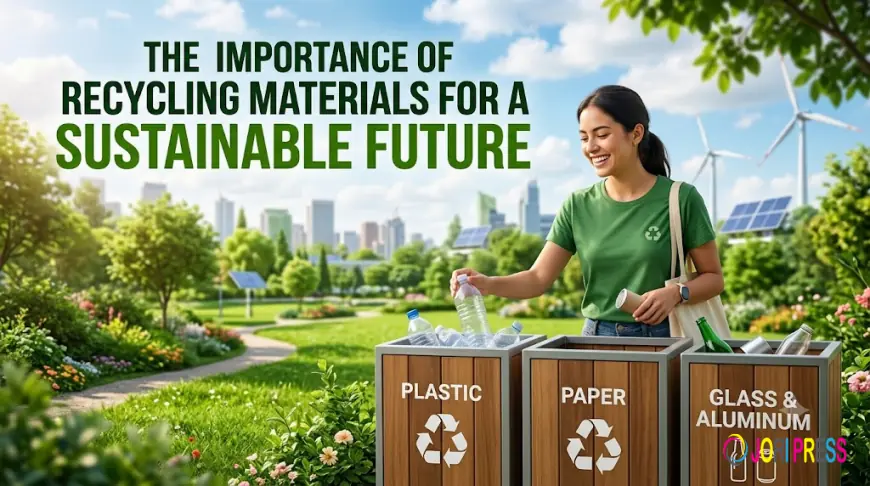
As the world faces growing environmental challenges, recycling materials has become one of the most effective ways to reduce waste, conserve natural resources, and protect the planet. Every year, millions of tons of plastic, paper, glass, and metal are discarded, much of which could be recycled and transformed into valuable new products. By embracing recycling practices, individuals, businesses, and communities can contribute to a cleaner and more sustainable future. Recycling also supports the principles of a circular economy by keeping valuable materials in use for as long as possible while reducing dependence on virgin resources.
What Is Material Recycling?
Material recycling is the process of collecting, sorting, processing, and converting used materials into new products. Instead of ending up in landfills, recyclable items such as aluminum cans, cardboard, plastic bottles, glass containers, and certain electronic components can be reintroduced into the manufacturing cycle.
This process reduces the demand for raw materials, lowers energy consumption, and minimizes greenhouse gas emissions. Many industries are increasingly investing in advanced recycling technologies to improve efficiency and recover more valuable materials from waste streams.
Common Recyclable Materials
Several types of materials can be recycled effectively, including:
- Plastic: Used to manufacture packaging, containers, furniture, and textiles.
- Paper and Cardboard: Recycled into newspapers, packaging materials, and office paper.
- Glass: Can be recycled repeatedly without losing quality.
- Metal: Aluminum and steel are among the most valuable recyclable materials due to their durability and energy-saving benefits.
- Electronic Waste: Valuable metals such as copper, gold, and silver can be recovered from discarded electronics through specialized recycling processes.
Environmental Benefits of Recycling
Recycling provides numerous environmental advantages:
- Reduces Landfill Waste: Landfills continue to grow as global waste production increases. Recycling diverts reusable materials away from disposal sites, extending landfill lifespan and reducing environmental pollution.
- Conserves Natural Resources: By reusing existing materials, recycling decreases the need for mining, logging, and extracting raw resources, helping preserve ecosystems and biodiversity.
- Saves Energy: Manufacturing products from recycled materials generally requires less energy than producing them from raw materials. For example, recycling aluminum significantly reduces energy consumption compared to creating new aluminum from bauxite ore.
- Lowers Carbon Emissions: Reduced energy usage translates into fewer greenhouse gas emissions, making recycling an important strategy for combating climate change.
Economic Advantages
Beyond environmental protection, recycling contributes to economic growth. The recycling industry creates jobs in collection, transportation, processing, manufacturing, and research. Businesses can also reduce production costs by incorporating recycled materials into their products.
Furthermore, recycled materials often retain substantial economic value, encouraging innovation in product design and sustainable manufacturing.
Challenges Facing Recycling
Despite its benefits, recycling still faces several obstacles:
- Poor waste separation at the household level
- Contamination of recyclable materials
- Limited recycling infrastructure in some regions
- Fluctuating market demand for recycled products
Addressing these challenges requires public education, improved waste management systems, and stronger collaboration between governments, industries, and communities.
How Individuals Can Help
Everyone can support recycling through simple daily habits:
- Separate recyclable waste from general trash.
- Reduce the use of single-use plastics.
- Reuse products whenever possible.
- Purchase items made from recycled materials.
- Support organizations and educational institutions that promote environmental sustainability and responsible resource management.
Small actions performed consistently by millions of people can create significant environmental benefits over time.
Conclusion
Recycling materials is more than just an environmentally friendly habit—it is a vital strategy for building a sustainable future. By reducing waste, conserving natural resources, saving energy, and lowering carbon emissions, recycling benefits both the environment and the economy. As technology continues to improve and public awareness grows, recycling will play an increasingly important role in creating a cleaner, healthier, and more resource-efficient world. Investing in education and sustainability initiatives today will help ensure that future generations inherit a planet capable of supporting their needs. More info Unissula.
What's Your Reaction?
 Like
0
Like
0
 Dislike
0
Dislike
0
 Love
0
Love
0
 Funny
0
Funny
0
 Angry
0
Angry
0
 Sad
0
Sad
0
 Wow
0
Wow
0