








































The Hidden Costs of House Construction Most Homeowners Forget to Budget For

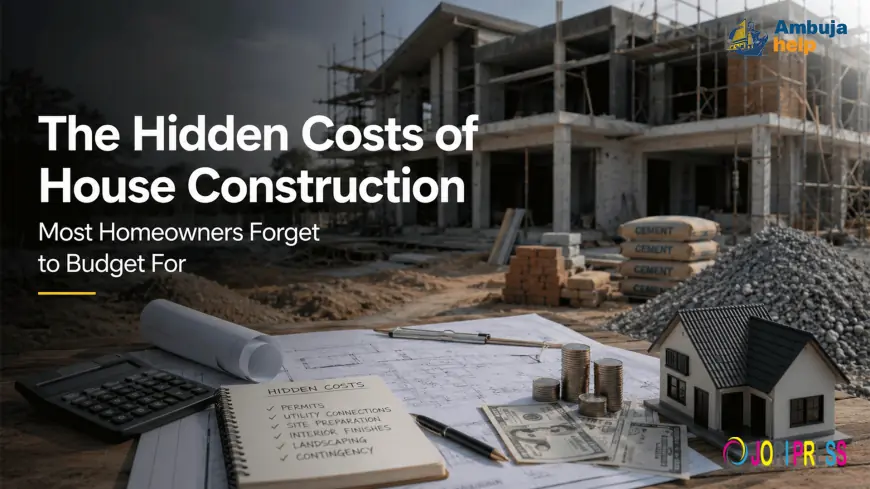
While engaging in a house construction project, homeowners focus only on obvious expenses like land, labour, and materials. In reality, several hidden costs can significantly increase the overall project budget if they are not taken care of early. From site preparation and legal approvals to utility connections and material wastage, these overlooked expenses can derail timelines and strain the overall budget.
Proper planning and realistic budgeting help homeowners avoid unpleasant surprises during construction. By understanding the complete picture of house construction costs and choosing reliable construction materials from trusted brands like Ambuja Cement, homeowners can build with greater confidence while ensuring long-term quality and durability.
Why Hidden Construction Costs Matter
Every construction project involves expenses beyond the starting estimate. While architects and contractors generally account for major construction activities, additional costs often emerge during the process.
These unexpected expenses may arise due to:
-
Site conditions
-
Regulatory approvals
-
Material transportation
-
Utility installations
-
Design modifications
-
Construction delays
Including these factors in the house construction budget from the beginning helps minimise financial stress and ensures smoother project execution.
1. Site Preparation and Land Development
Construction begins long before the first brick is laid. Preparing the site often involves work that homeowners may not initially consider. Common site preparation expenses include:
-
Land clearing
-
Excavation
-
Levelling uneven ground
-
Soil treatment
-
Drainage development
-
Retaining walls
Plots with rocky terrain, weak soil, or poor drainage need additional work that increases both time and cost. Conducting proper soil investigations before construction begins allows homeowners to estimate these expenses more accurately.
2. Material Transportation and Handling
The location of a construction site directly affects transportation costs. Homes being built in remote locations or areas with limited road access may require additional expenditure for transporting:
-
Cement
-
Steel
-
Bricks
-
Sand
-
Aggregates
-
Finishing materials
Planning material deliveries properly helps avoid delays and unnecessary transportation costs. It's equally important to choose quality construction materials instead of focusing only on cement cost. A premium cement like Ambuja Cement offers superior strength, durability, and long-lasting performance, helping homeowners reduce maintenance costs and build homes that stand strong for years.
3. Material Wastage and Quantity Errors
Poor estimation frequently leads to avoidable expenses during construction. Some common causes include:
-
Overstocking materials
-
Underestimating quantities
-
Improper storage
-
Damage during handling
-
On-site wastage
Monitoring material usage carefully and purchasing supplies in planned phases helps control house construction costs while reducing unnecessary losses. Working with experienced contractors further improves inventory management and minimises wastage throughout the project.
4. Government Approvals and Legal Compliance
Legal documentation is an essential part of residential construction, yet many homeowners underestimate its impact on the overall budget. Typical approval-related expenses include:
-
Building permits
-
Municipal approvals
-
Structural certifications
-
Environmental clearances
-
Inspection fees
Failure to obtain the necessary approvals can result in penalties, construction delays, or even project suspension. Planning for these administrative expenses early ensures smoother execution and avoids unexpected financial setbacks.
5. Utility Connections
Essential services are often excluded from initial construction estimates. Homeowners may need to budget separately for:
-
Electricity connections
-
Water supply
-
Sewerage systems
-
Internet infrastructure
-
Gas connections
If municipal services are unavailable, additional investments may be required for borewells, septic tanks, water storage systems, or drainage infrastructure. Temporary utility connections during construction can also increase overall project expenditure.
6. Quality Materials Save Money Over Time
Trying to reduce initial expenses by selecting lower-quality materials often results in higher maintenance costs later. Premium construction materials provide benefits such as:
-
Better structural strength
-
Higher weather resistance
-
Reduced repair frequency
-
Improved durability
-
Longer service life
For instance, brands like Ambuja Cement have earned the trust of homeowners and construction professionals across India by consistently delivering advanced cement solutions designed for long-term structural performance. Investing in quality materials during construction reduces lifetime maintenance costs while improving overall building reliability.
7. Labour Delays and Project Changes
Construction schedules rarely proceed exactly as planned. Unexpected costs may arise due to:
-
Labour shortages
-
Weather disruptions
-
Design modifications
-
Material delivery delays
-
Additional construction work
Maintaining clear communication with contractors and establishing realistic timelines helps minimise these risks. A well-managed house construction budget should always include a contingency allowance for such unforeseen circumstances.
8. Professional Services
Beyond construction itself, homeowners often require assistance from multiple professionals throughout the project. These may include:
-
Architects
-
Structural engineers
-
Surveyors
-
Interior designers
-
Legal consultants
-
Project management specialists
Although these services add to initial expenses, they often prevent costly mistakes and improve construction quality. Professional guidance also contributes to better planning and more efficient resource utilisation.
Smart Planning Helps Control Construction Costs
One of the most effective ways to manage residential construction costs is through careful planning before work begins. Some valuable construction planning tips include:
-
Conduct detailed site surveys before purchasing land.
-
Verify all legal documents and approvals.
-
Prepare accurate material estimates.
-
Track construction expenses regularly.
-
Purchase premium construction materials from trusted brands.
-
Monitor inventory to minimise wastage.
-
Allocate contingency funds for unexpected expenses.
-
Review project progress with contractors frequently.
These proactive measures significantly reduce financial surprises while improving construction efficiency.
Build Stronger with Better Planning
Hidden costs are an unavoidable part of almost every construction project, but they do not have to become financial burdens. Careful budgeting, detailed planning, experienced professionals, and informed material choices help homeowners maintain better control throughout the construction journey.
Understanding every component of house construction costs allows homeowners to prepare realistic budgets and make smarter investment decisions. By selecting high-quality construction solutions from Ambuja Cement, homeowners benefit from stronger structures, improved durability, and long-term peace of mind. With thoughtful planning, a realistic house construction budget, and trusted products from Ambuja Cement, homeowners can minimise hidden expenses while building homes designed to stand strong for generations.
What's Your Reaction?
 Like
0
Like
0
 Dislike
0
Dislike
0
 Love
0
Love
0
 Funny
0
Funny
0
 Angry
0
Angry
0
 Sad
0
Sad
0
 Wow
0
Wow
0