






































The Complete Homeowner's Guide to Crawl Space Inspection and Moisture Prevention
The Complete Homeowner's Guide to Crawl Space Inspection and Moisture Prevention

Many homeowners rarely think about their crawl space, yet it plays a critical role in the overall health and stability of a home. Hidden beneath the living area, the crawl space can become a breeding ground for moisture, mold, pests, and structural damage if left unchecked. Unfortunately, problems often go unnoticed until they begin affecting indoor air quality, flooring, or the home's foundation.
A routine crawl space inspection helps identify hidden issues before they turn into costly repairs. Combined with proper moisture prevention strategies, regular inspections can protect your home's structural integrity, improve indoor air quality, and extend the life of your property.
In this guide, we'll explain why crawl space inspections matter, common warning signs of moisture problems, and the best ways to prevent crawl space mold from developing.
Why Crawl Space Inspections Are Essential
The crawl space supports your home's flooring system and provides access to plumbing, electrical wiring, and HVAC components. Because it is dark, enclosed, and often humid, it's one of the easiest places for moisture problems to develop.
Without regular inspections, homeowners may never notice:
-
Water intrusion
-
Excess humidity
-
Mold growth
-
Wood rot
-
Foundation concerns
-
Pest infestations
-
Damaged insulation
A professional crawl space inspection identifies these issues early, helping prevent expensive repairs and protecting the long-term value of your home.
Common Causes of Crawl Space Moisture
Moisture is the leading cause of crawl space damage. Even a small amount of excess humidity can create conditions where mold and mildew thrive.
Some of the most common causes include:
Poor Drainage
Improper grading around your home allows rainwater to collect near the foundation, increasing moisture beneath the house.
Plumbing Leaks
Small leaks from pipes or drainage systems can go unnoticed for months, continuously adding moisture to the crawl space.
High Humidity
Humid climates naturally increase moisture levels, especially during spring and summer months.
Ground Moisture
Without a proper vapor barrier, moisture continuously evaporates from the soil into the crawl space.
Inadequate Ventilation
Poor airflow traps moisture, making it difficult for damp areas to dry naturally.
Warning Signs You Shouldn't Ignore
Many crawl space problems begin long before visible damage appears inside your home.
Watch for these warning signs:
-
Musty odors indoors
-
Uneven or sagging floors
-
Increased humidity inside the home
-
Peeling paint
-
Condensation on windows
-
Rising energy bills
-
Soft or squeaky flooring
-
Allergy-like symptoms
-
Visible mold near floor vents
These signs often indicate hidden moisture beneath your home and should prompt a professional crawl space moisture inspection.
The Dangers of Crawl Space Mold
One of the biggest concerns associated with moisture is crawl space mold.
Because warm, damp environments promote mold growth, crawl spaces often become an ideal location for mold colonies to spread.
Mold can grow on:
-
Wooden floor joists
-
Support beams
-
Insulation
-
Subflooring
-
Drywall backing
-
Stored materials
As mold spreads, airborne spores may enter your home's living areas through the HVAC system or natural air movement, affecting indoor air quality.
Addressing moisture quickly significantly reduces the risk of mold growth.
What Happens During a Crawl Space Inspection?
A professional crawl space inspection involves much more than a simple visual check.
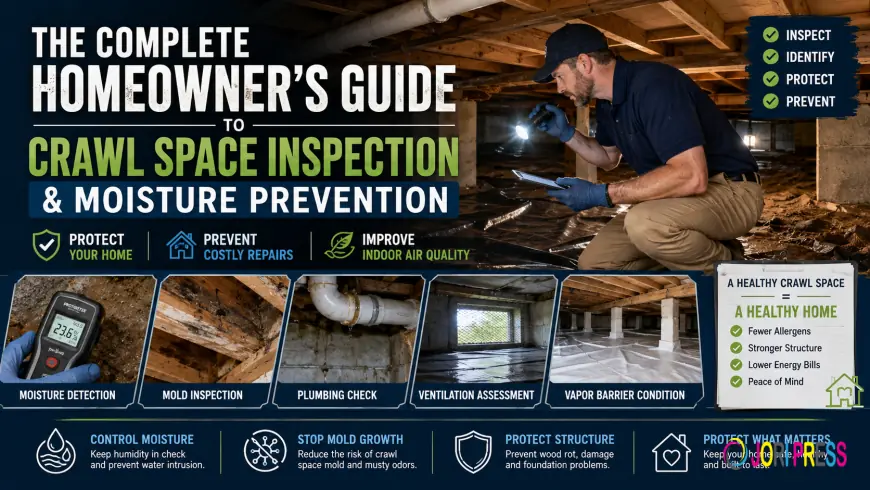
Experienced inspectors evaluate several important areas, including:
Moisture Levels
Using specialized moisture meters, inspectors identify areas with excessive moisture that may not be visible.
Structural Components
Support beams, floor joists, and subflooring are examined for signs of damage, rot, or deterioration.
Plumbing Systems
Visible plumbing is checked for leaks that may contribute to ongoing moisture problems.
Ventilation
Inspectors evaluate airflow and determine whether ventilation is helping or trapping humidity.
Vapor Barrier Condition
The condition of the vapor barrier is assessed to determine whether ground moisture is entering the crawl space.
Mold Assessment
Inspectors look for visible crawl space mold and signs of conditions that encourage mold growth.
Why Crawl Space Moisture Inspection Matters
A dedicated crawl space moisture inspection focuses specifically on identifying moisture sources before they cause larger problems.
Professional moisture inspections help detect:
-
Hidden leaks
-
Standing water
-
Condensation
-
High humidity
-
Water intrusion
-
Inadequate drainage
Finding these issues early allows homeowners to correct the source before mold or structural damage develops.
Tips to Prevent Crawl Space Moisture
Preventing moisture is always more affordable than repairing water damage later.
Here are several proven strategies homeowners can follow:
Install a Quality Vapor Barrier
A properly installed vapor barrier helps reduce moisture evaporating from the soil beneath your home.
Improve Drainage Around the Home
Ensure gutters, downspouts, and grading direct water away from the foundation.
Repair Plumbing Leaks Quickly
Even small leaks should be repaired immediately to prevent long-term moisture buildup.
Maintain Proper Ventilation
Depending on your home's design and climate, improving airflow or using encapsulation may help control humidity.
Monitor Humidity Levels
Maintaining appropriate humidity levels reduces condensation and discourages mold growth.
Schedule Routine Inspections
Annual crawl space inspections can identify small problems before they become major structural concerns.
Why Professional Inspections Are Worth It
While homeowners can perform basic visual checks, many moisture problems remain hidden beneath insulation or inside structural components.
Professional inspectors use advanced equipment such as:
-
Moisture meters
-
Hygrometers
-
Thermal imaging cameras
-
Flashlights and inspection scopes
-
Digital documentation tools
These tools provide a more complete understanding of your crawl space's condition.
Choose SpringfieldQualityServices for Reliable Crawl Space Inspections
If you're concerned about moisture, mold, or structural issues beneath your home, SpringfieldQualityServices provides comprehensive inspection services designed to identify problems before they become costly repairs.
Whether you need a routine crawl space inspection, a detailed crawl space moisture inspection, or an evaluation for crawl space mold, experienced inspectors carefully assess moisture sources, structural components, ventilation, and overall crawl space conditions. Their detailed inspection reports help homeowners make informed decisions about protecting their property.
Final Thoughts
Your crawl space may be out of sight, but it should never be out of mind. Excess moisture can quietly damage structural wood, encourage mold growth, reduce indoor air quality, and increase repair costs over time.
Regular crawl space inspections combined with proactive moisture prevention help keep your home safe, dry, and structurally sound. If you've noticed musty odors, uneven floors, or signs of excess humidity, scheduling a professional crawl space moisture inspection is one of the smartest investments you can make for your home's long-term health.
Frequently Asked Questions
1. How often should a crawl space inspection be performed?
Most experts recommend a professional crawl space inspection at least once a year, or sooner if you've experienced flooding, plumbing leaks, or unusually high humidity.
2. What is a crawl space moisture inspection?
A crawl space moisture inspection focuses on identifying water intrusion, high humidity, condensation, and hidden leaks that may lead to mold or structural damage.
3. Can crawl space mold affect indoor air quality?
Yes. Mold spores from the crawl space can travel into living areas through natural airflow and HVAC systems, potentially affecting indoor air quality.
4. What causes moisture in a crawl space?
Common causes include poor drainage, plumbing leaks, groundwater, condensation, missing or damaged vapor barriers, and inadequate ventilation.
5. Can I inspect my crawl space myself?
You can perform a basic visual inspection, but hidden moisture and structural issues often require specialized equipment and the expertise of a trained inspector.
6. Why should I choose SpringfieldQualityServices?
SpringfieldQualityServices provides thorough inspections that evaluate moisture, structural conditions, ventilation, and potential mold growth. Their comprehensive reports help homeowners understand the condition of their crawl space and take appropriate action before minor issues become major repairs
What's Your Reaction?
 Like
0
Like
0
 Dislike
0
Dislike
0
 Love
0
Love
0
 Funny
0
Funny
0
 Angry
0
Angry
0
 Sad
0
Sad
0
 Wow
0
Wow
0